
Valley Relics Museum
Pop culture museum inside two Van Nuys Airport hangars preserving San Fernando Valley history through 20,000+ artifacts from the 1800s to today.
- See
Valley Relics Museum Details
- Saturday & Sunday: 10 AM - 3 PM
Overview
Details
Experiencing Valley Relics Museum / Curious LA Field Notes
Quick Take
The San Fernando Valley produced more than stereotypes and Valley Girl speak. From the 1800s through the 1980s, this region manufactured aerospace technology, created the BMX movement, hosted country music's most famous West Coast venue, and served as home to Nudie Cohn's rhinestone-covered stage costumes for Elvis. Valley Relics Museum exists because nobody else was fighting to preserve these disappearing pieces of local history. What started as one man's obsession with saving neon signs from demolished restaurants has become a 20,000-piece archive crammed into airplane hangars, where Big Boy statues stand next to Lockheed blueprints and vintage go-karts hang above your head.
Walking into Airplane Hangars Full of History
The Valley Relics Museum doesn’t look like much from outside. You park near the Van Nuys Airport, walk past chain-link fencing, and enter what could pass for industrial storage space. Then you step inside Hangar C3.
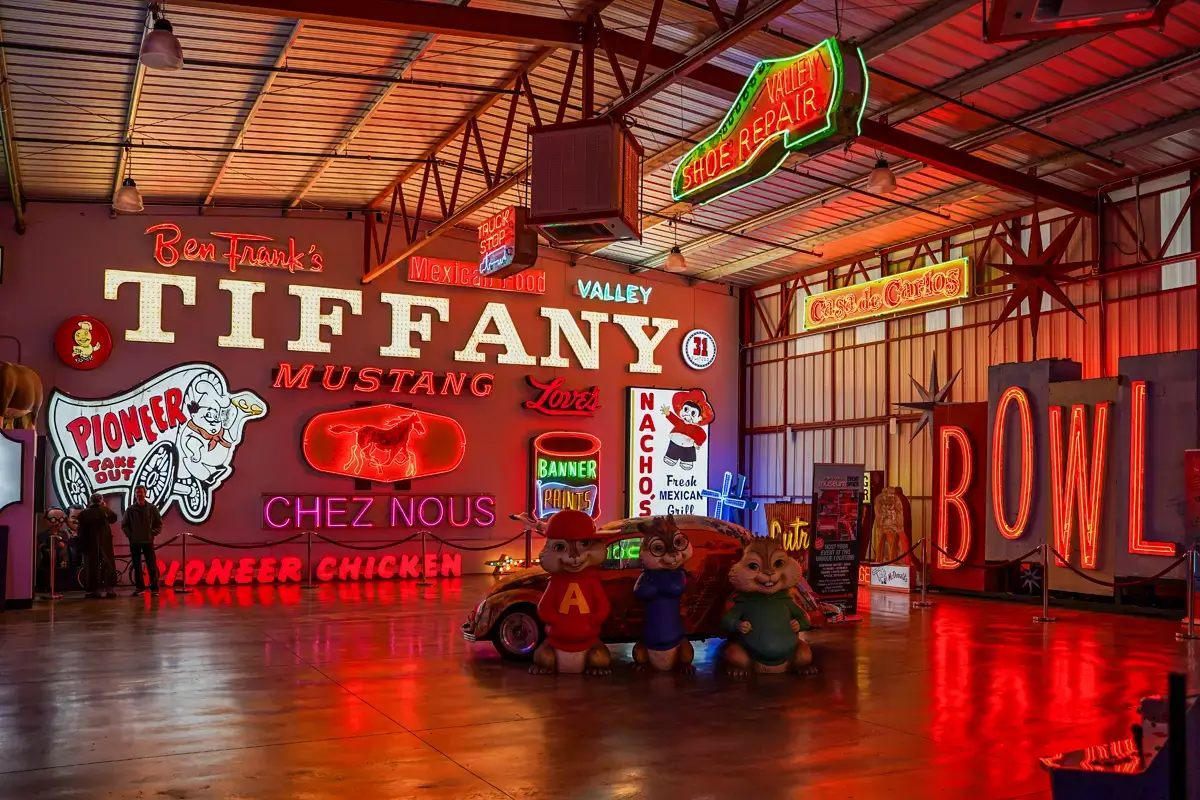
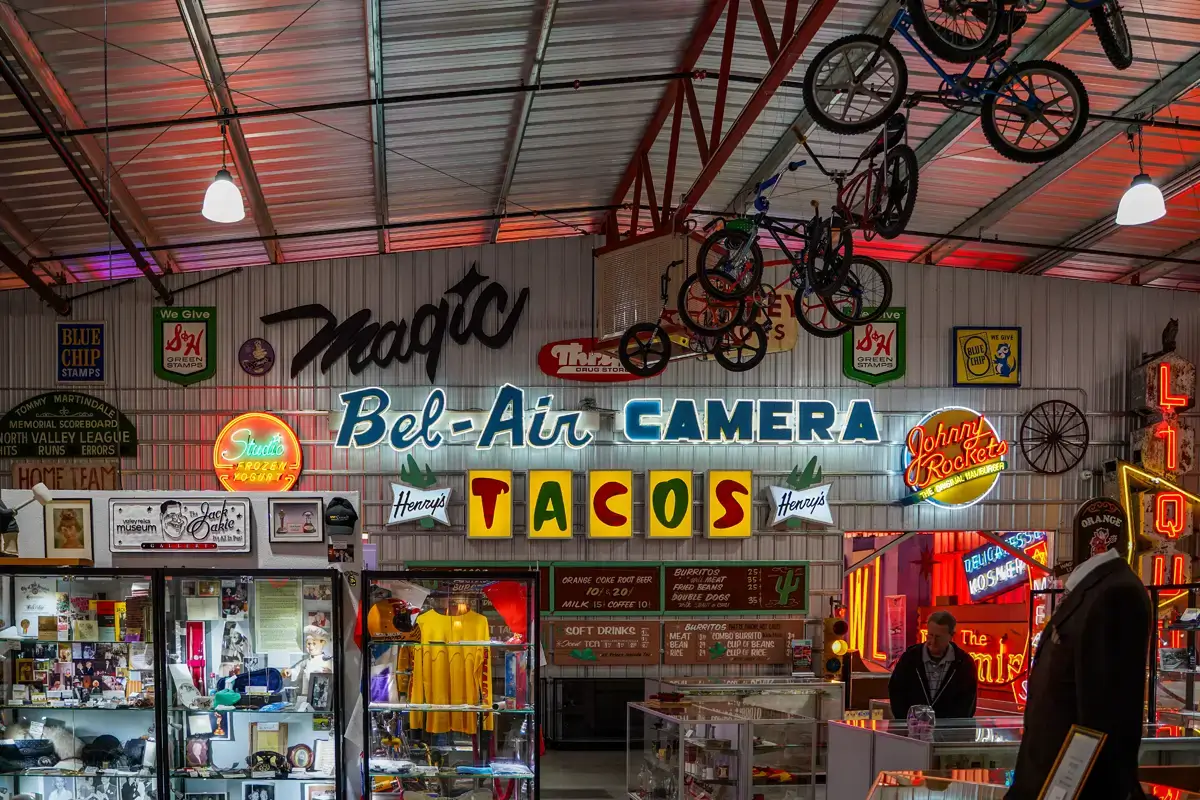
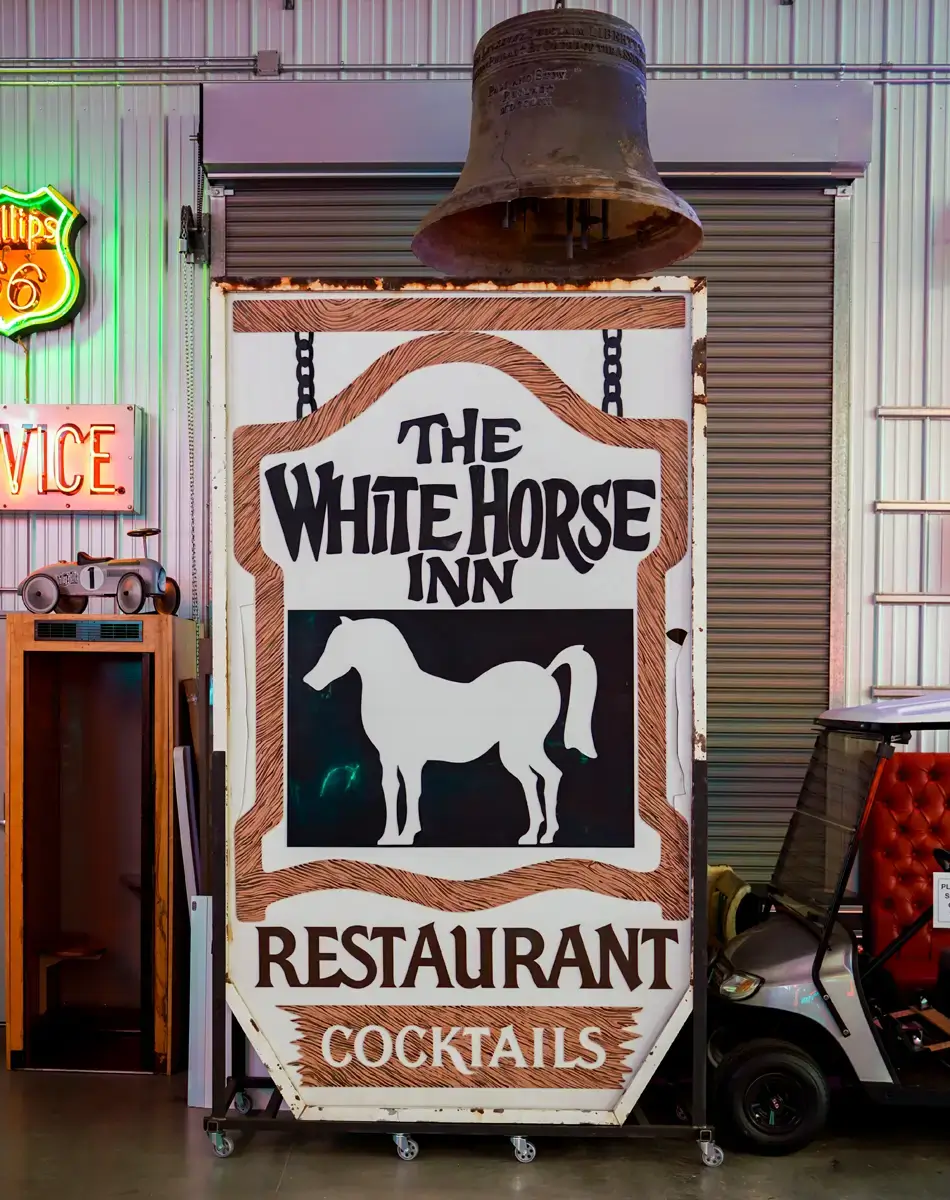
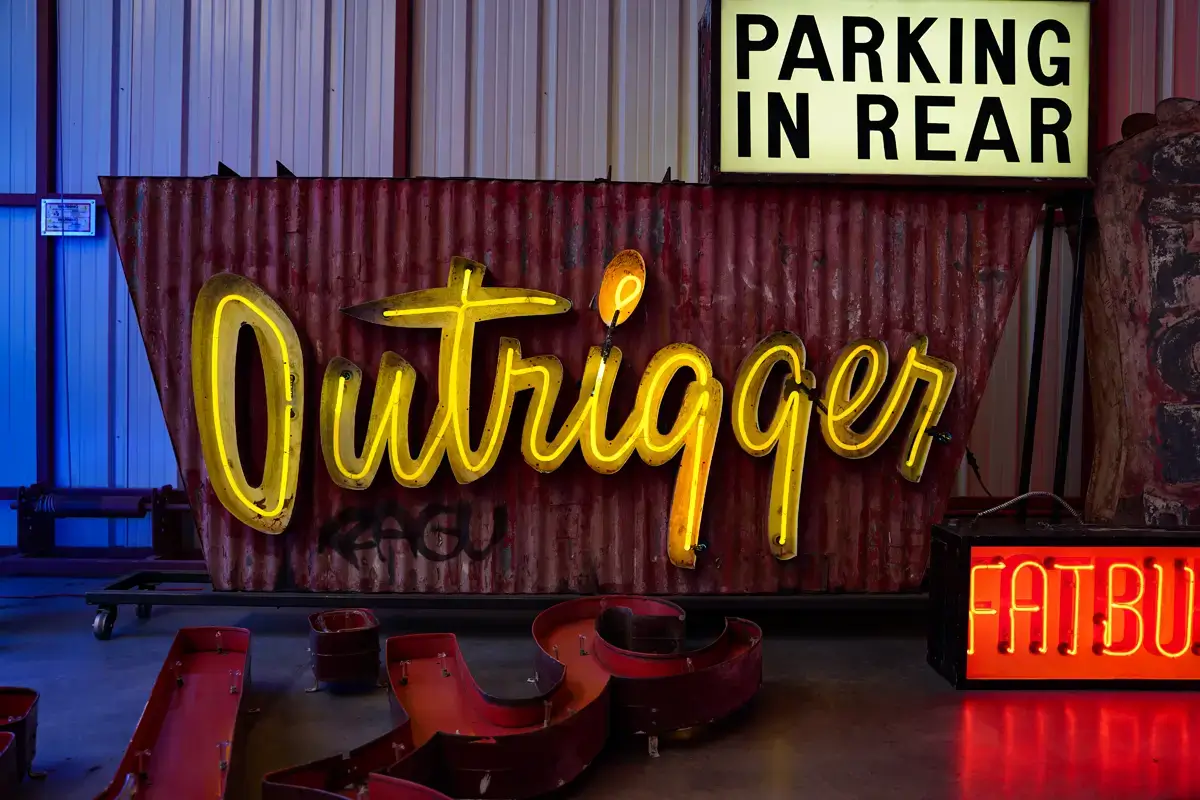
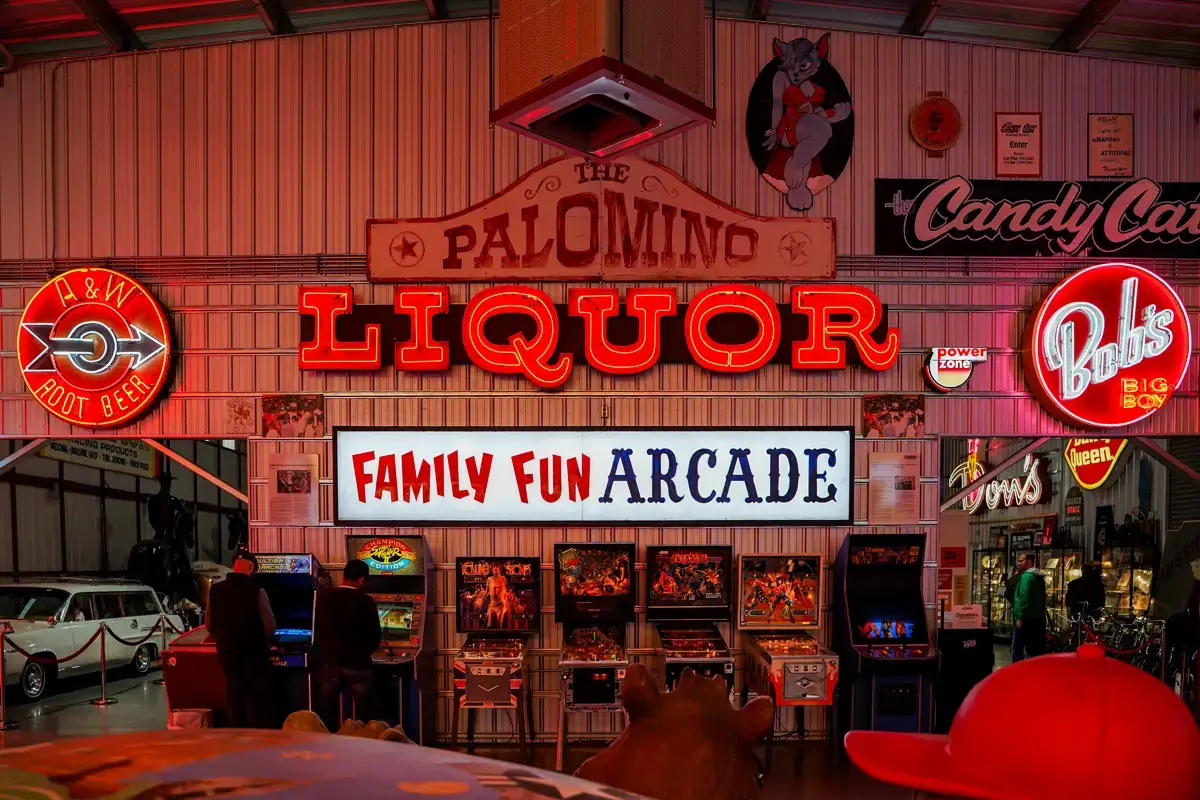
Neon signs cover every wall, stacked floor to ceiling. The glow from dozens of illuminated vintage signs—pink, blue, red, orange—creates a warm buzz. Bob’s Big Boy grins down at you. The Palomino Club’s iconic sign dominates one corner. Henry’s Tacos beckons from another. These aren’t reproductions. They’re the actual signs that hung outside Valley businesses for decades before someone was going to throw them away.
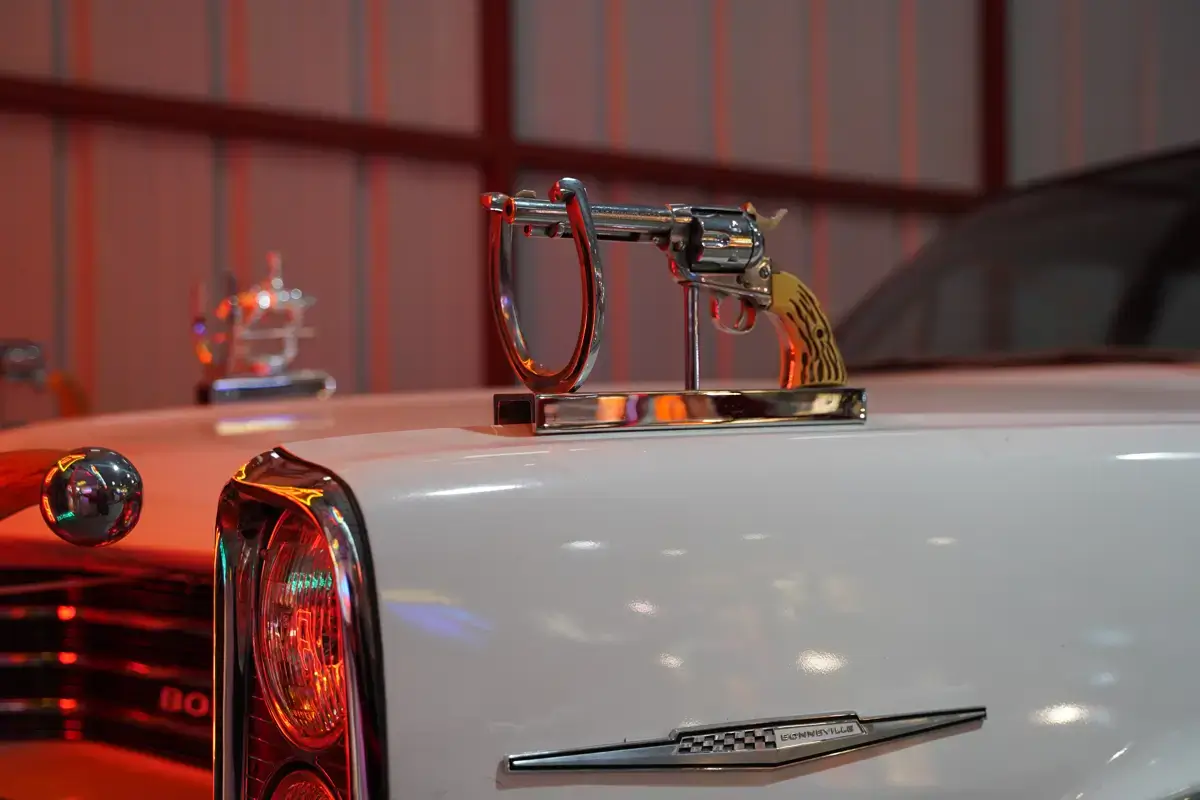
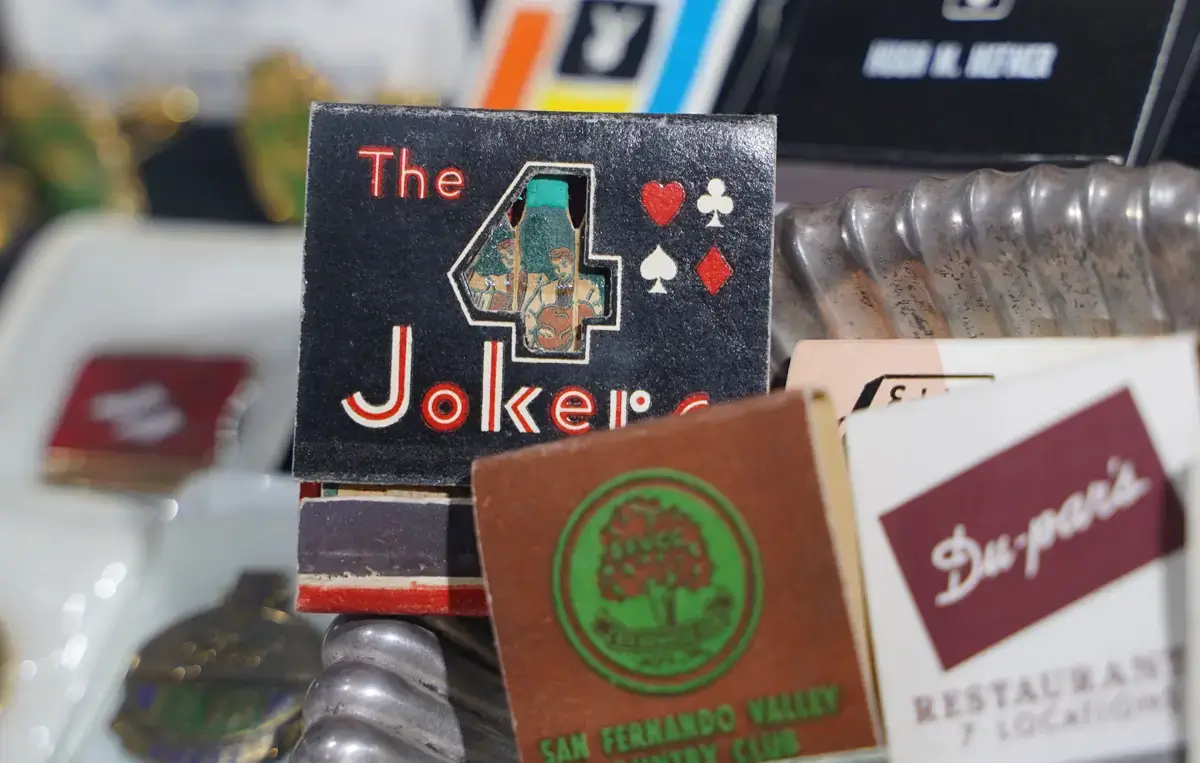
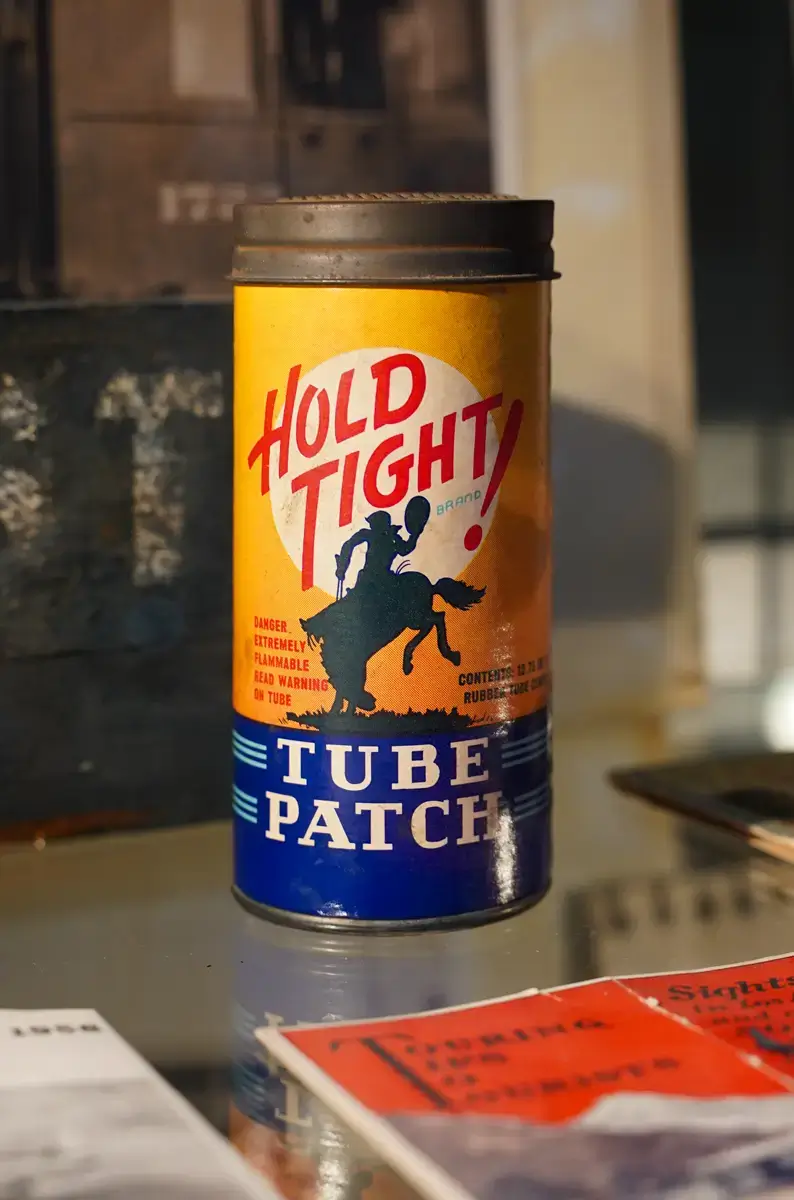
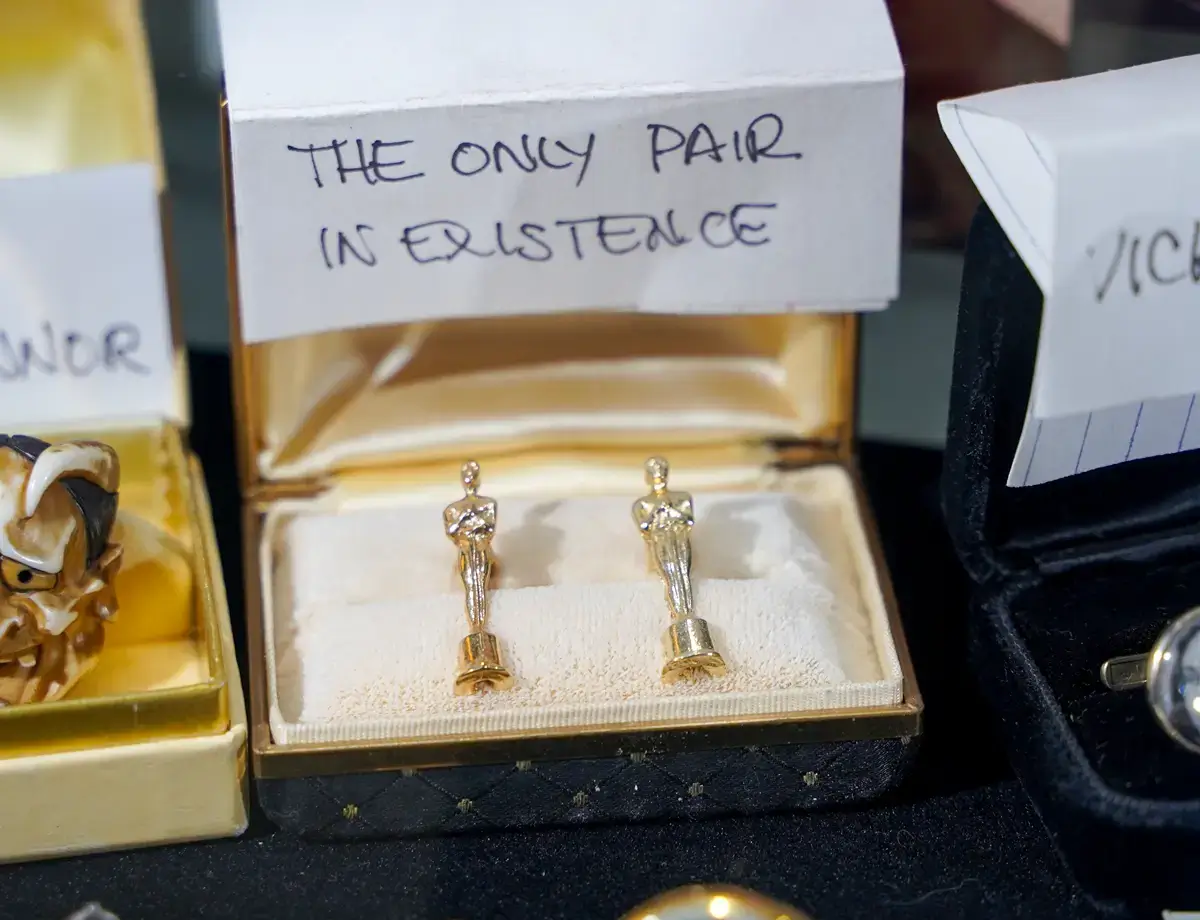
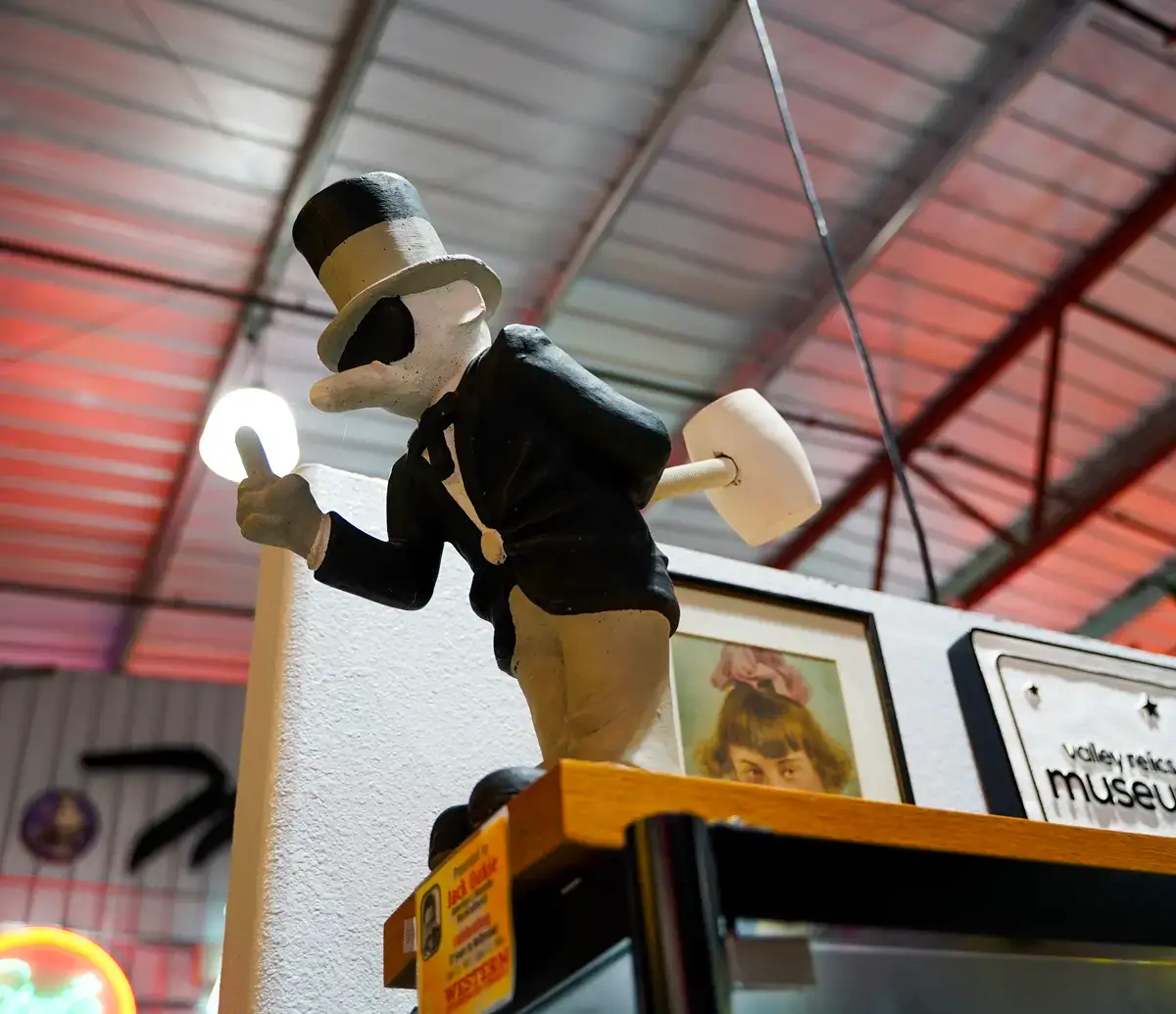
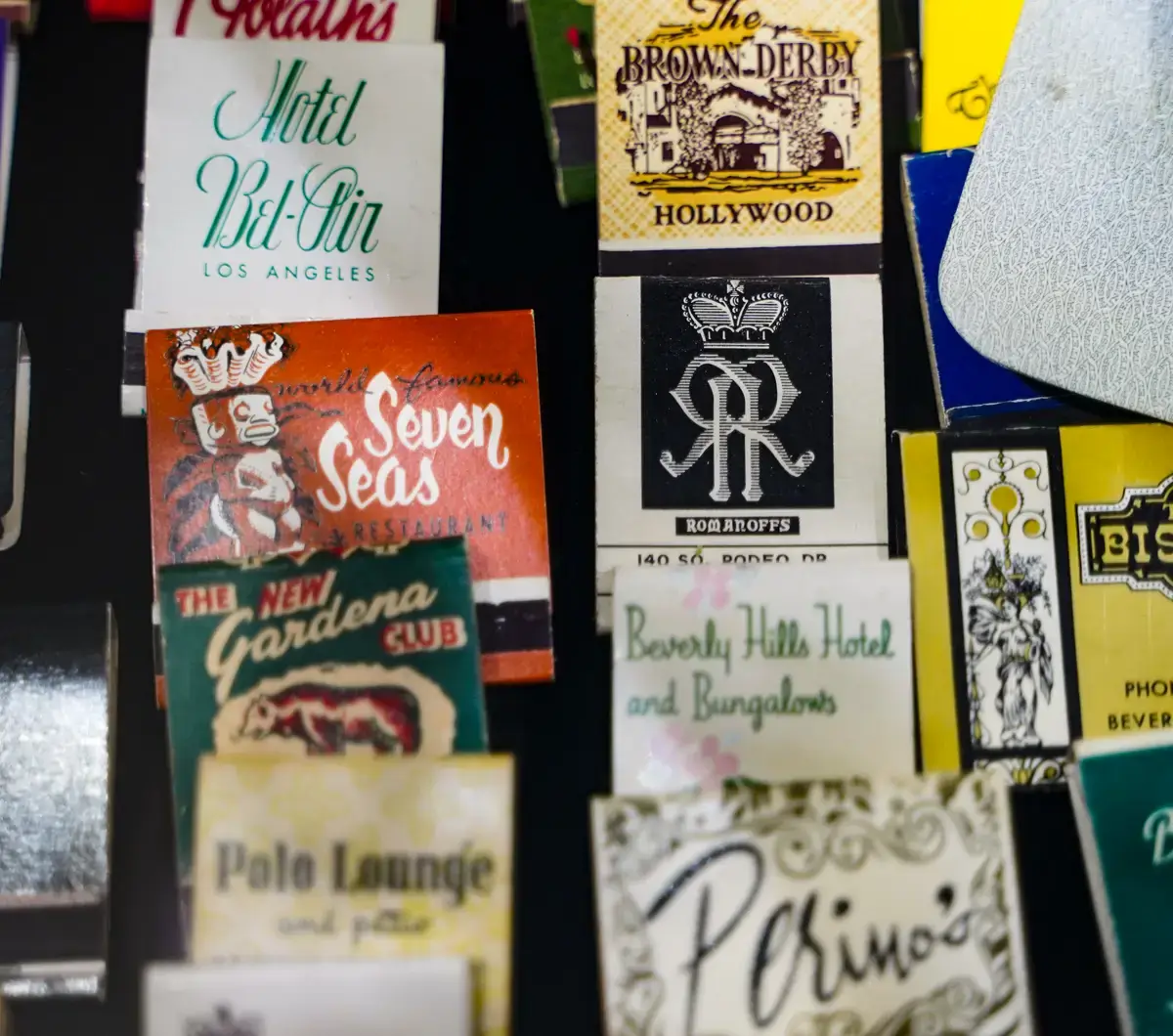
The space feels chaotic at first. BMX bikes hang from the ceiling. Display cases overflow with matchbooks, menus, photographs, and yearbooks. A Nudie Cohn Cadillac sits gleaming with silver dollars embedded in the interior and actual pistols mounted as door handles. Vintage arcade games line one wall, all set to free play. There’s no strict chronological order or carefully curated pathways. You wander and discover.
What Makes This Collection Different
Founder Tommy Gelinas grew up in the Valley watching beloved landmarks disappear. In 1998, he bought his first Valley relic—a 1930s history book—and couldn’t stop collecting. For 20 years, he rescued signs from demolished buildings, bought collections from estate sales, and accepted donations from longtime Valley residents cleaning out garages.
The museum opened in Chatsworth in 2013 but quickly ran out of space. The move to Van Nuys Airport hangars in 2018 more than doubled the square footage, yet Gelinas can still only display about 45% of the collection at once. The rest rotates through from storage, meaning return visits reveal different treasures.
What you’re seeing isn’t just Valley history. It’s American postwar culture. The Valley was home to major aerospace companies—Lockheed’s Skunk Works, Rocketdyne, Hughes Aircraft. By the end of World War II, 60-70% of American aerospace manufacturing happened in Southern California, much of it in the Valley. The museum displays blueprints, photographs, and artifacts from that era.
BMX racing was born in the Valley in the 1970s. Companies like Redline and Mongoose built their bikes here. The museum has over 150 vintage BMX bikes, many suspended overhead where you can study their designs up close.
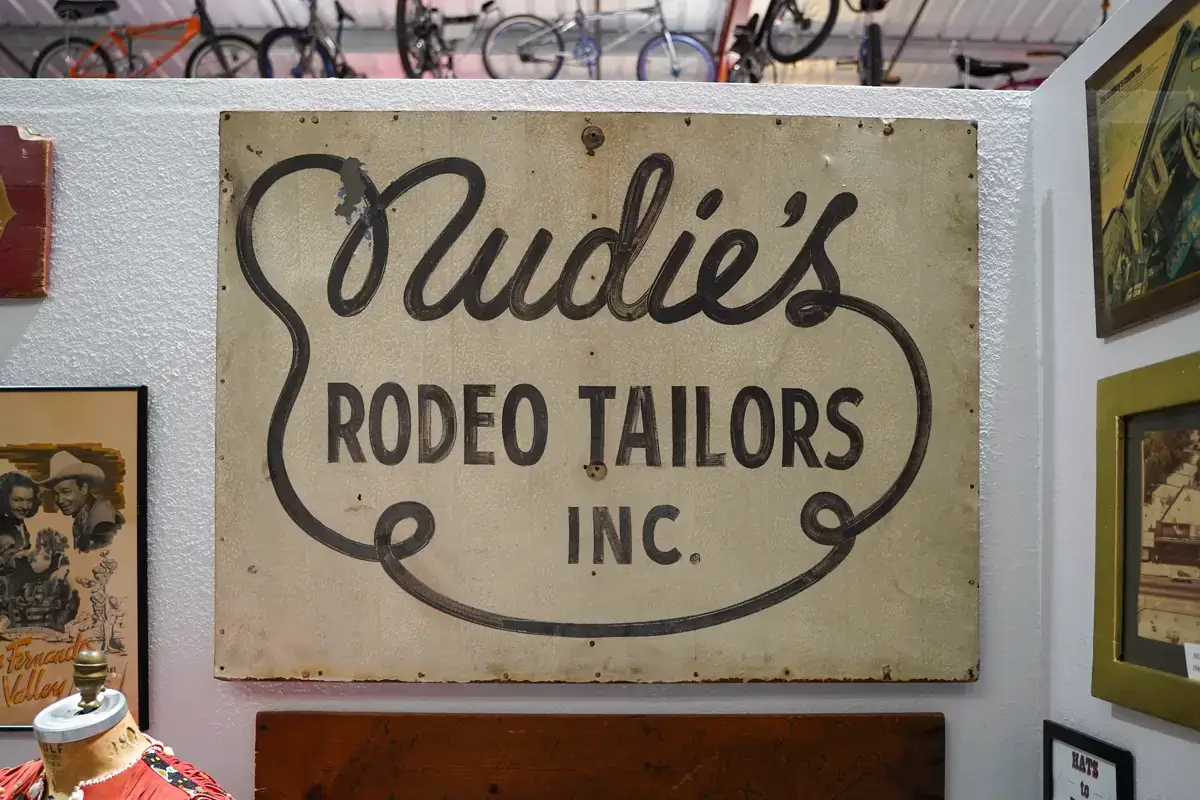
Country music fans made pilgrimages to the Palomino Club in North Hollywood from the 1950s through 1995. The museum preserved the original signage. Nudie Cohn, whose shop was in North Hollywood, designed rhinestone-covered suits for Elvis, Roy Rogers, and countless country stars. His custom cars—complete with gun holsters, silver-dollar details, and mounted longhorns—sit in the museum where visitors can photograph them up close.
The Second Hangar Experience
After exploring the first hangar, you move to Hangar C4. This is where the museum keeps its largest, most spectacular neon signs. Walking in feels like stepping into Las Vegas circa 1960, but for Valley-specific businesses most people have never heard of.
Pioneer Chicken, My Brother’s Bar-B-Q, the Tiffany Theater—these signs tower above you, many 10-15 feet tall. The museum has saved signs from outside the Valley too, including pieces from Ben Frank’s on the Sunset Strip and Premiere Lanes from Santa Fe Springs. When iconic LA signage faces demolition, Gelinas often steps in to preserve it.
The free arcade games here are functional originals from Family Fun Arcade in Granada Hills, which closed in 2012. Kids and adults line up to play Pac-Man, pinball, and other classics. There’s no additional charge. Play as long as you want.
Who Should Visit
Valley natives feel immediate recognition. The restaurants, businesses, and brands on display were part of daily life. Even if you’re too young to remember the Palomino Club or Nudie’s Rodeo Tailors, your parents or grandparents probably do. Bringing family creates conversation.
For people unfamiliar with Valley history, this place offers surprising revelations. The Valley wasn’t just suburbs and shopping malls. It was aerospace innovation, music history, and the birthplace of action sports. The museum documents all of it without pretense.
Photography enthusiasts love the neon. The lighting is spectacular, and you’re free to take photos throughout both hangars. The gift shop sells t-shirts featuring vintage logos from defunct Valley businesses—wear them around LA and watch for recognition from other Valley natives.
Most visitors spend 60-90 minutes here, though you could easily stay longer if you read every display and talk to the knowledgeable volunteers. The museum hosts special events occasionally, from car shows to themed nights, so check their social media for current programming.
Practical Considerations
The museum is open Saturday and Sunday only, 10am-3pm. Hours occasionally change for special events, so verify before visiting. Admission is $15 for adults, free for kids 10 and under. They only accept payment at the door—bring cash or card.
Parking is free right in front of the hangars. Enter the airport grounds from Stagg Street and follow signs. The space is wheelchair accessible with street-level entry.
There are no food or drinks inside the museum, but the hangars aren’t climate controlled the same way traditional museums are, so you may want water on hot days. Restrooms are available on-site.
The museum operates as a 501(c)3 nonprofit. All admission fees and merchandise sales go toward preservation work and storage costs. If you have Valley memorabilia taking up space in your garage, they accept donations.
This isn’t a polished, institutional museum experience. It’s one man’s passion project that grew into a community archive. The displays are dense, the organization is loose, and the sheer volume can feel overwhelming. But that’s exactly what makes it special. You’re not looking at carefully curated artifacts behind glass. You’re surrounded by the actual physical evidence that the Valley mattered—and still does.
What Others are Saying
Nearby Curious Los Angeles Destinations
SuihoEn – The Japanese Garden
Six-acre Japanese garden fed by recycled water, featuring three classic garden styles from dry Zen meditation spaces to waterfall-lined strolling…
Norman’s Rare Guitars
Legendary Tarzana guitar shop where rock history hangs on the walls and famous musicians come to play
Valley Relics Museum on Other Sites