
The Wende Museum
One of the world's largest Cold War collections housed in a converted 1949 armory, preserving everyday life behind the Iron Curtain.
- Do
- See
The Wende Museum Details
- Friday-Sunday: 10:00am-5:00pm
- Closed Monday-Thursday
Overview
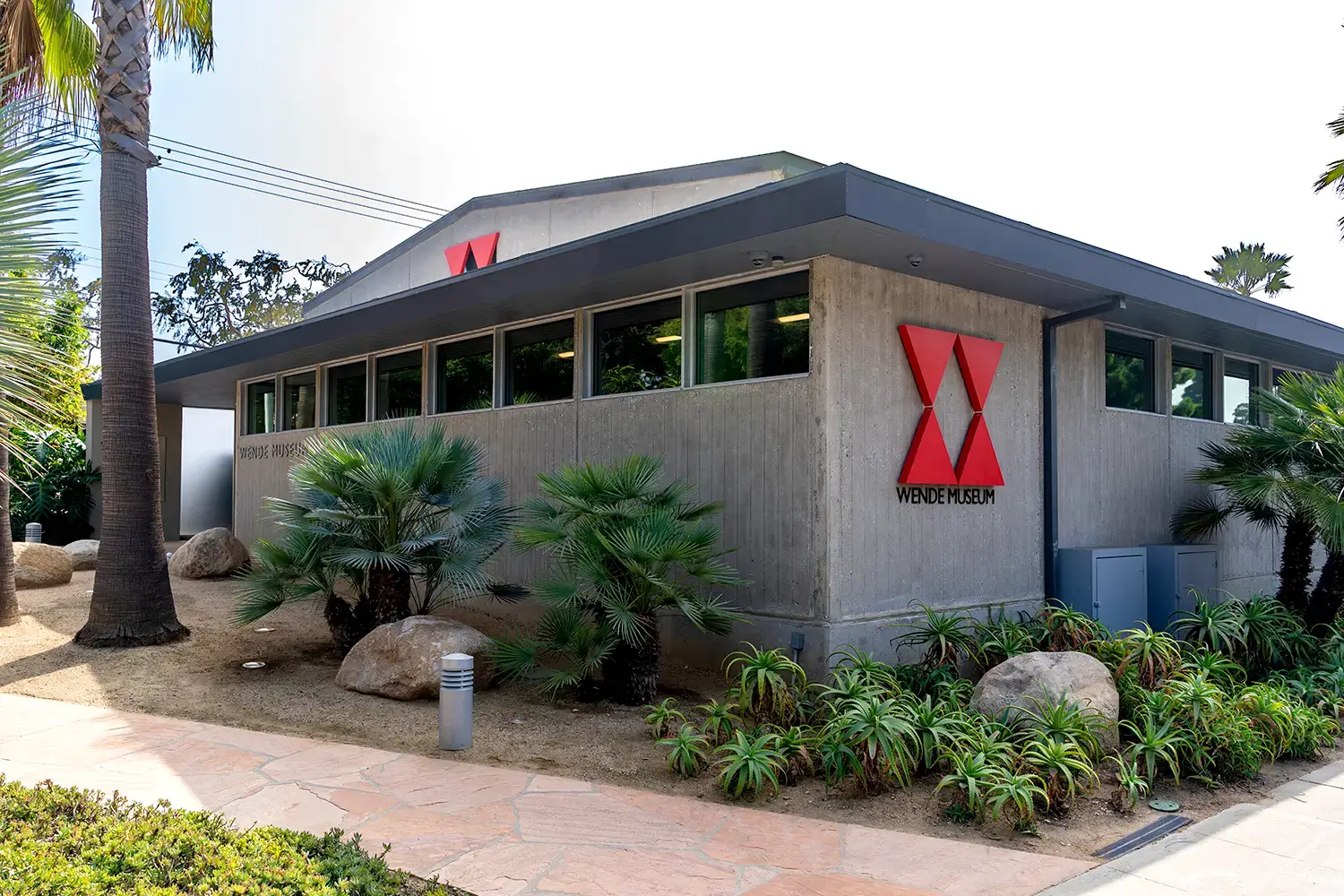
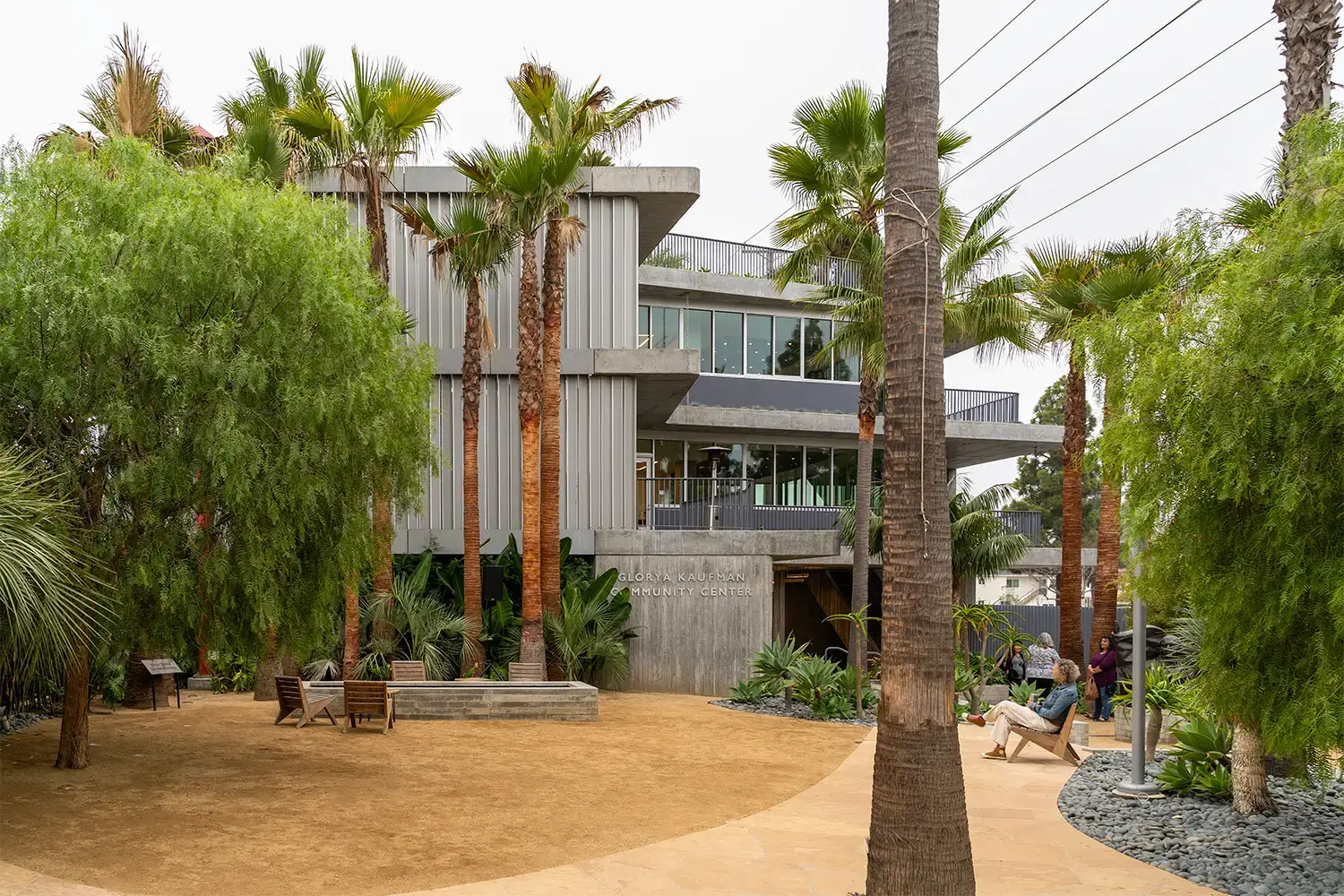
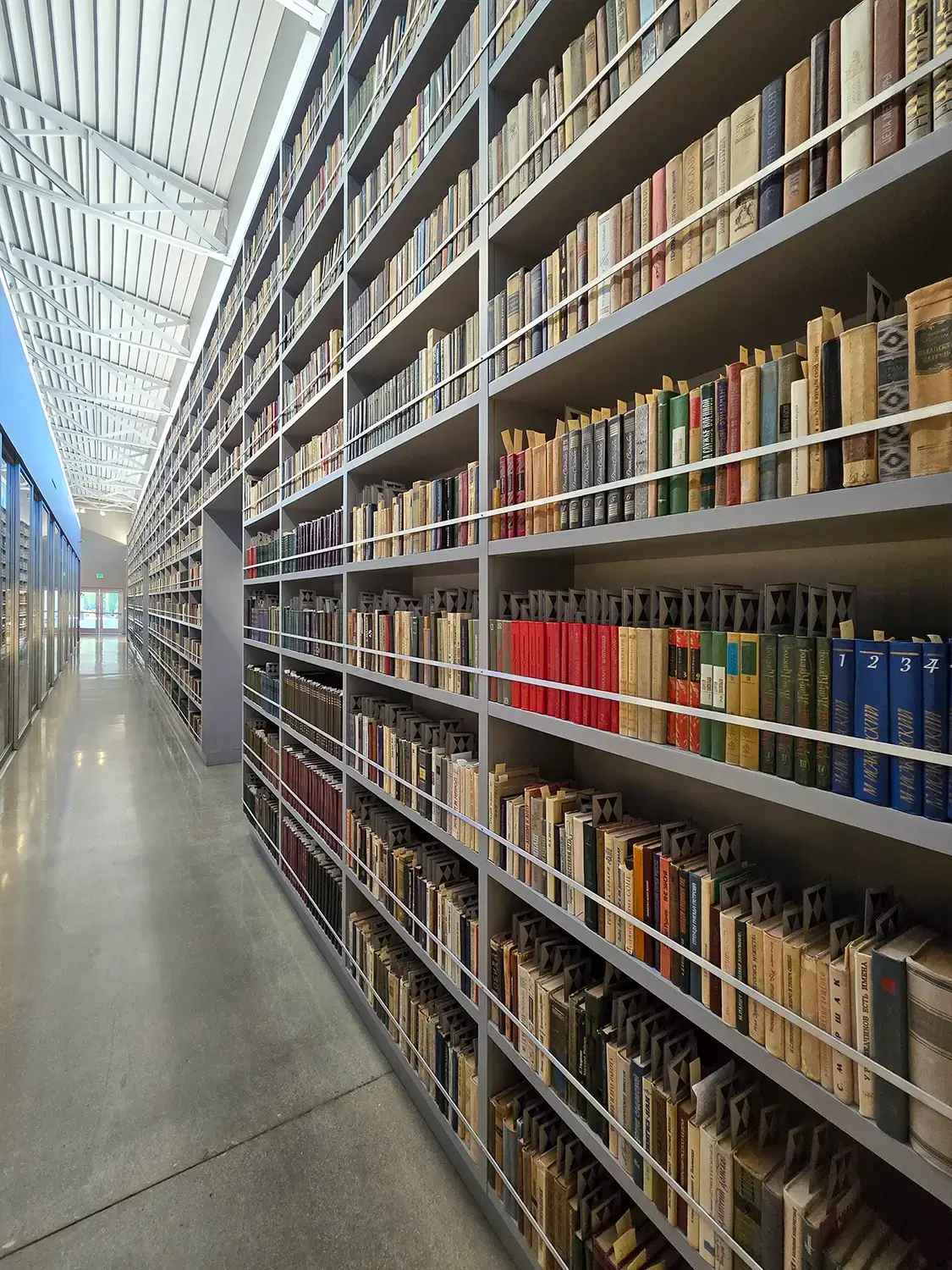
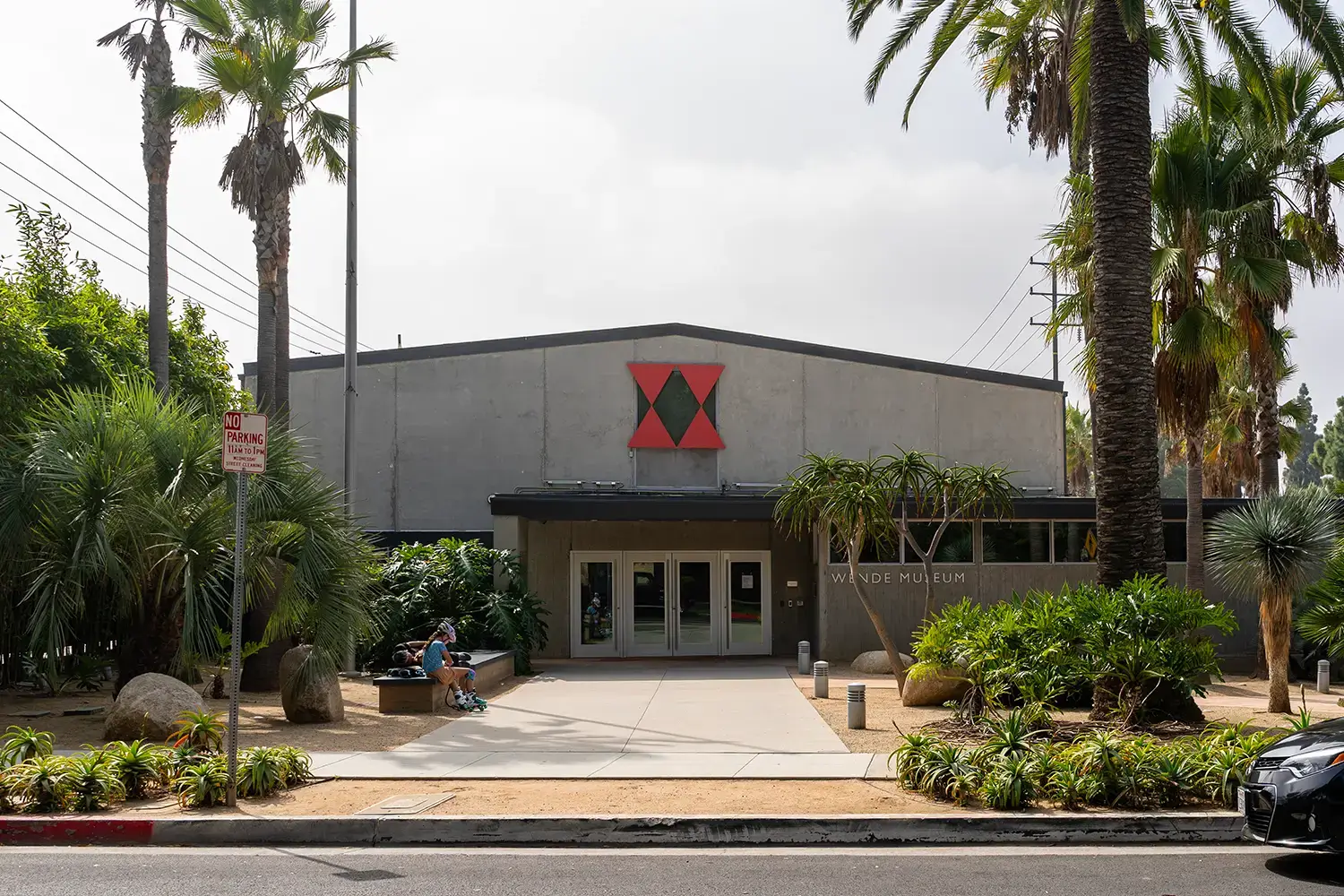
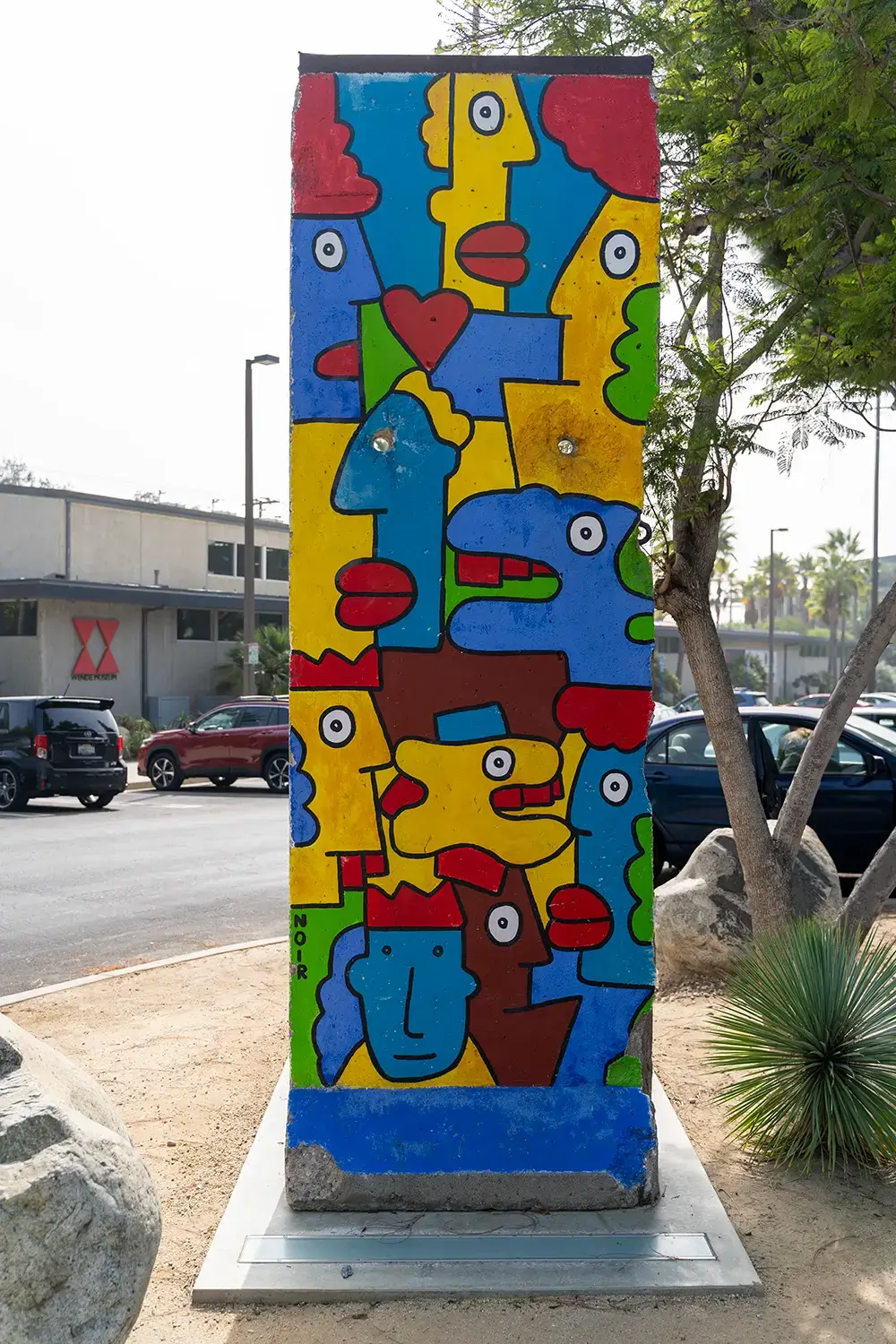
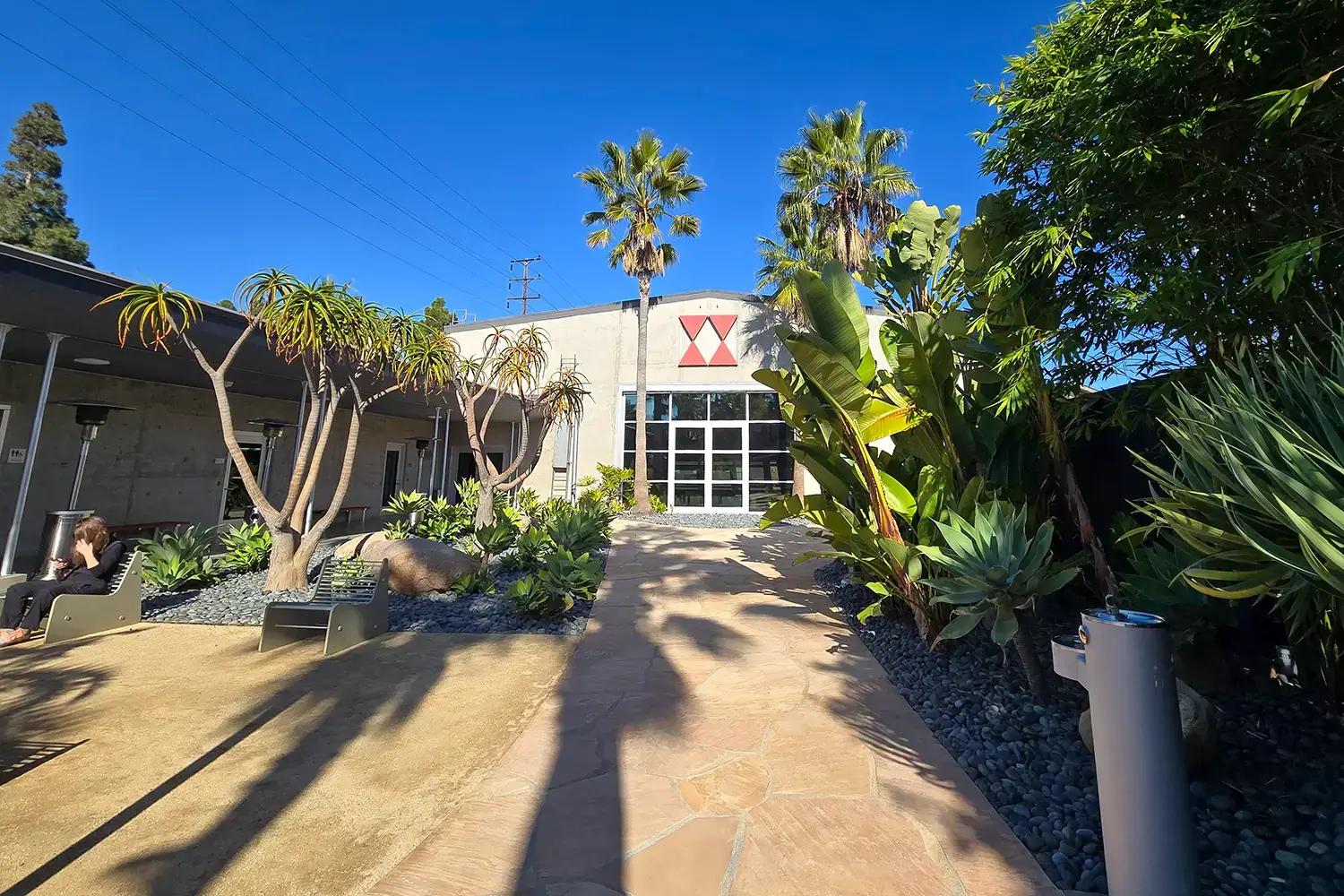
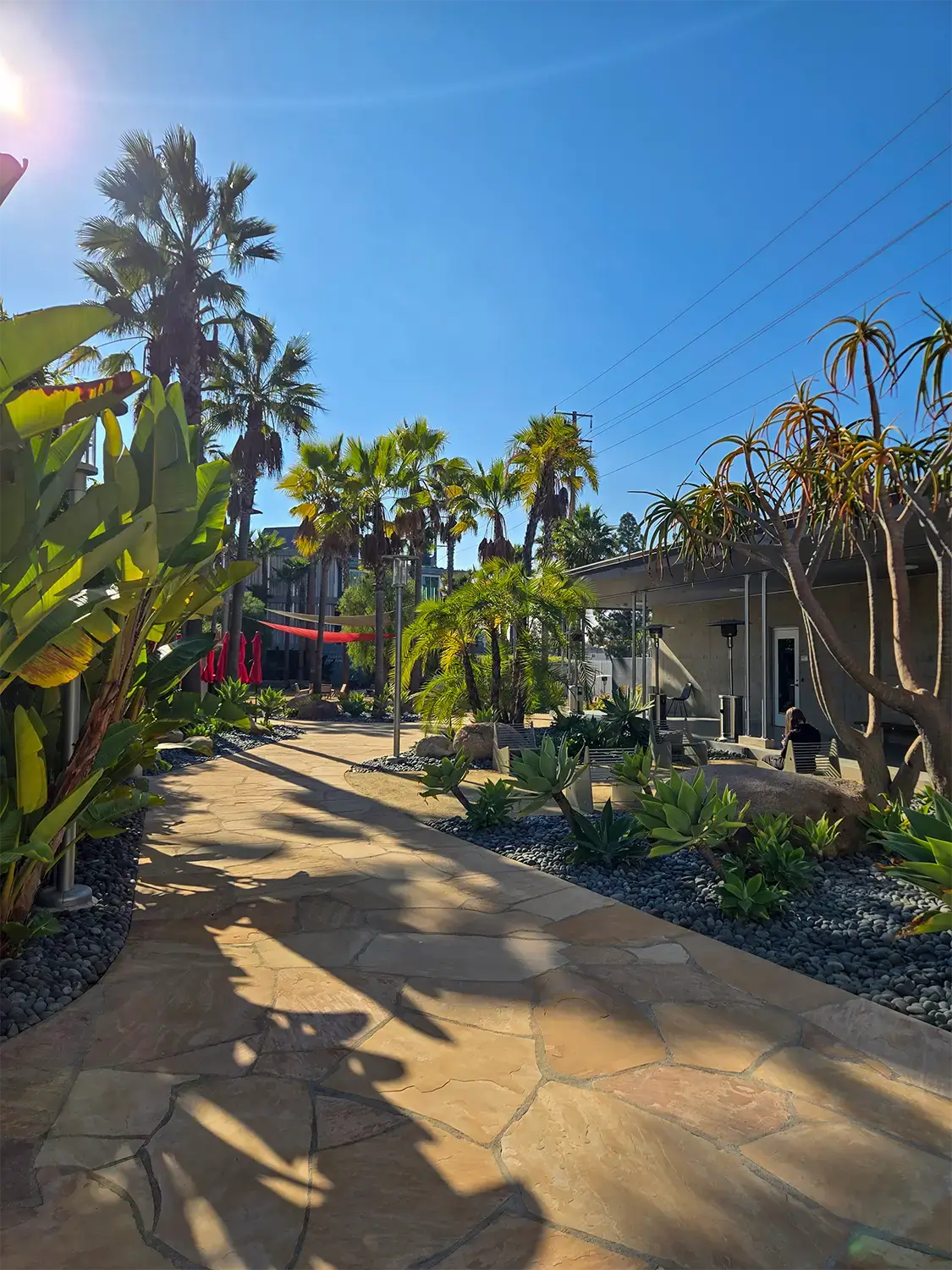
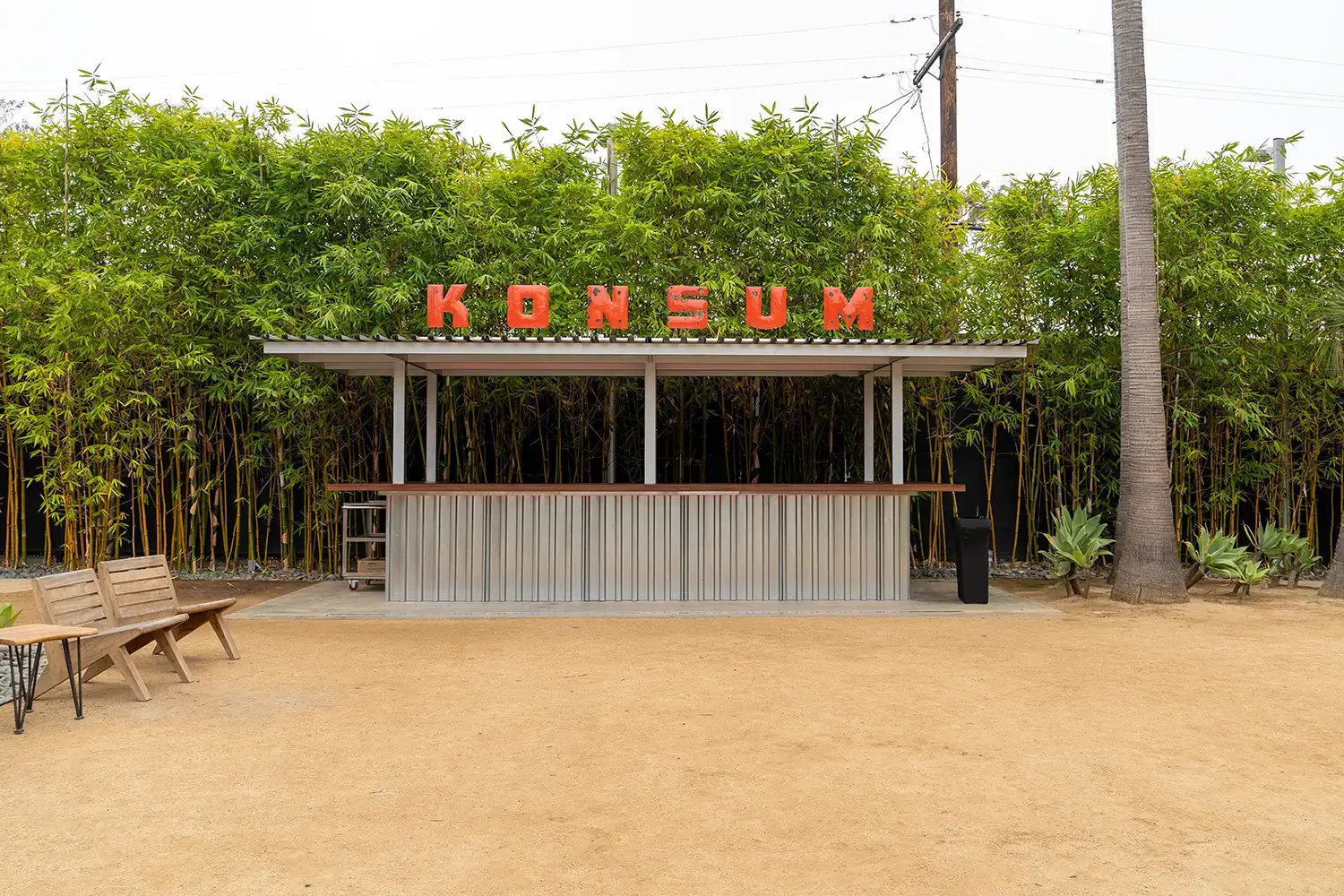
The adjacent Glorya Kaufman Community Center, opened in 2024, offers free programs including yoga, art workshops, film screenings, and concerts, transforming the campus into an active cultural hub with free admission throughout.
Details
Experiencing The Wende Museum / Curious LA Field Notes
Quick Take
The Wende Museum rescued cultural materials that were being destroyed after the Berlin Wall fell, creating the world's most comprehensive collection of Cold War artifacts from the Soviet Bloc. What sets this museum apart is its focus on everyday objects rather than just political history. You'll find toothpaste tubes, children's toys, school textbooks, and family photo albums alongside propaganda posters and spy equipment. The result is a surprisingly intimate portrait of ordinary people living in extraordinary circumstances.
The 2024 addition of the Glorya Kaufman Community Center transformed the campus into a cultural hub offering free wellness classes, art workshops, film screenings, and concerts in a 7,500 sq ft space with a theater and learning garden. The combination of historical preservation and active community programming creates an accessible experience where history and contemporary life intersect.
What You’ll Find
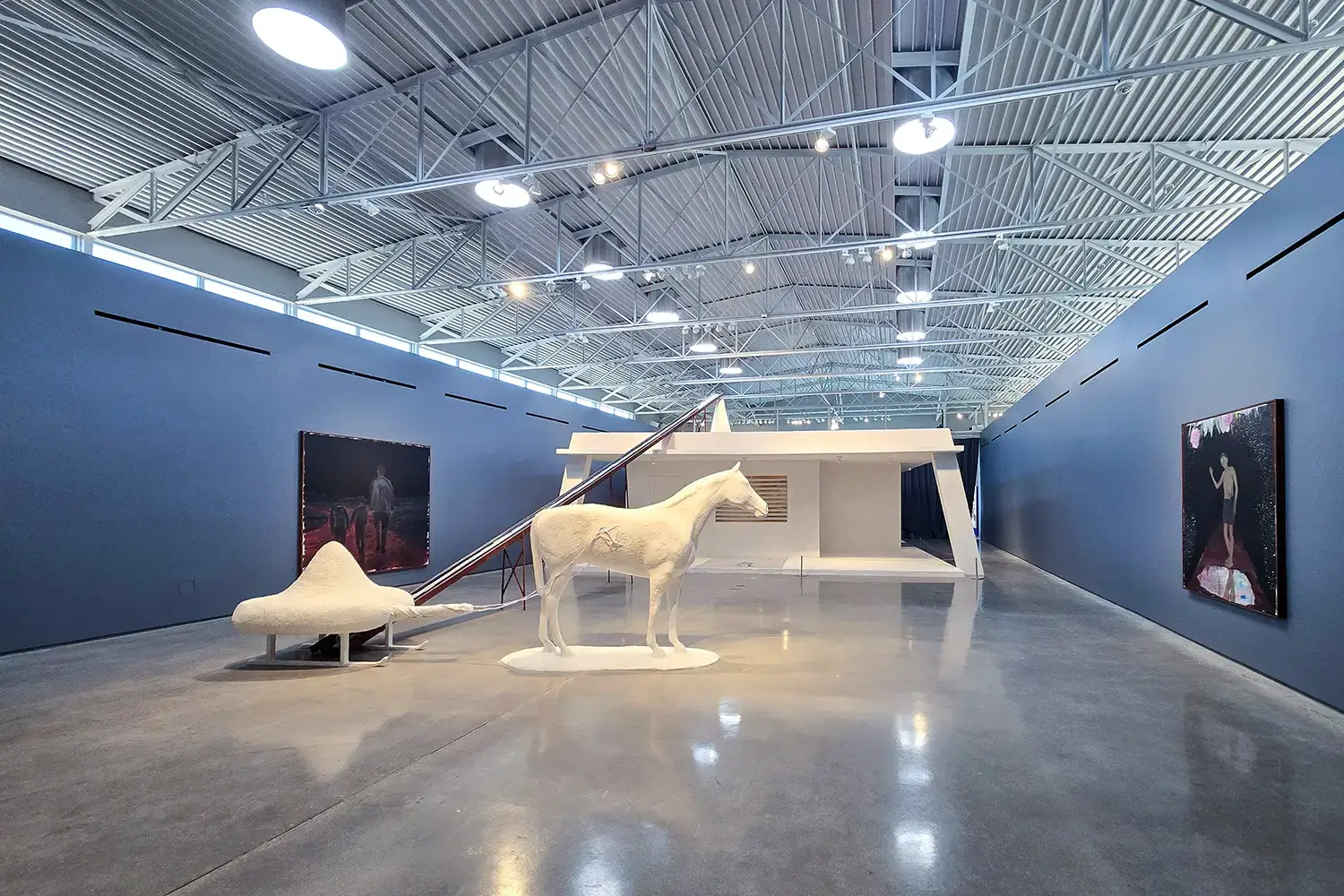
Walk into a hangar-sized space where thousands of books line the walls behind glass, and Lenin busts sit next to mid-century furniture and vintage radios. The museum’s transparent storage approach means you can see the full collection, not just curated highlights. Two rotating exhibitions occupy the central gallery, changing three times per year. These shows pair historical artifacts with contemporary art, creating conversations between past and present.
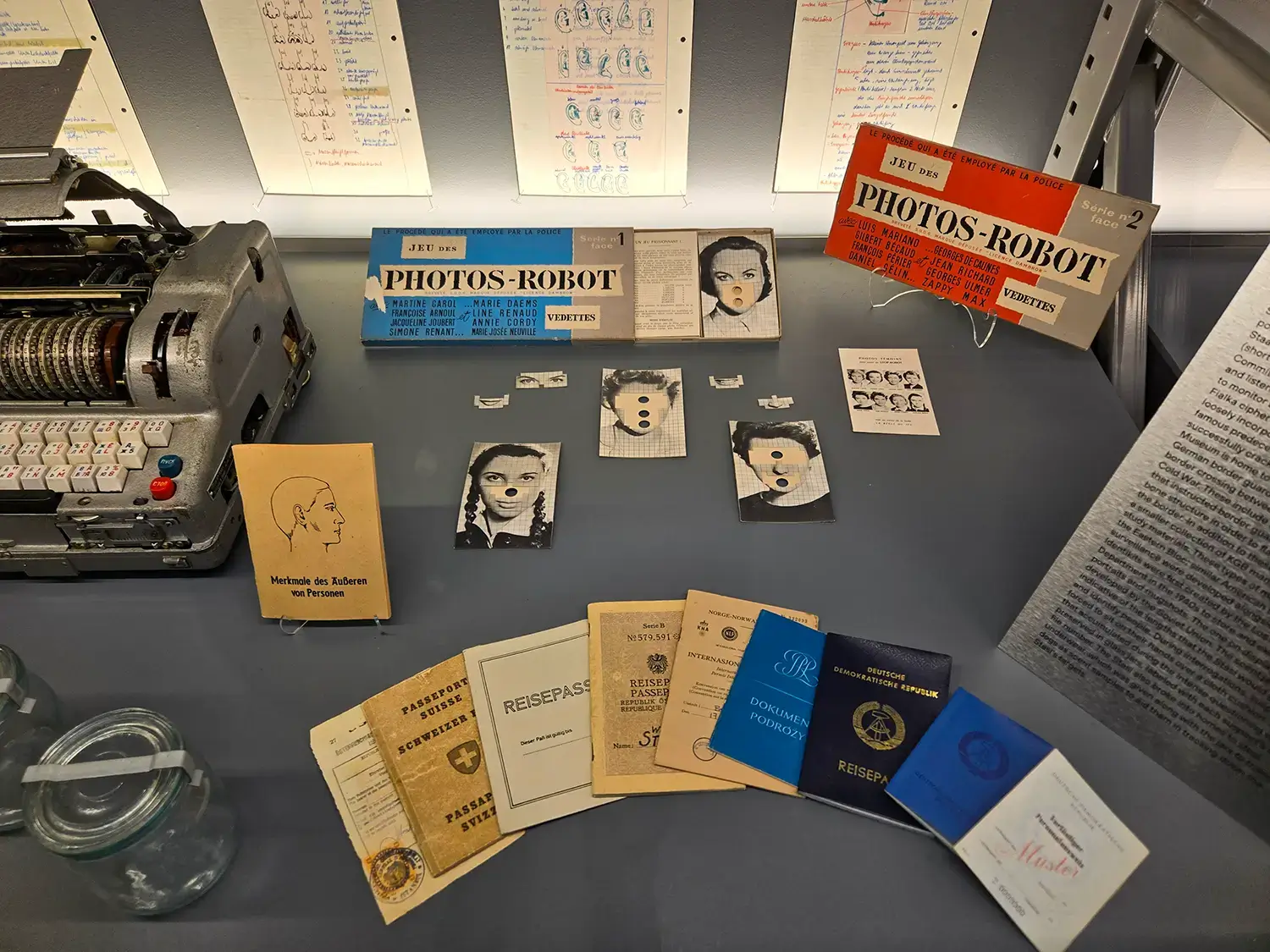
The collection spans from mundane to remarkable. Consumer products show what it meant to go shopping in East Germany. Propaganda posters reveal state messaging. Spy equipment demonstrates surveillance techniques. Family albums and personal letters offer the most moving insights. These everyday items make Cold War history tangible. You’ll see what people wore, what they ate, what they read, what they believed or pretended to believe.
The Glorya Kaufman Community Center
Adjacent to the main museum, the 7,500 sq ft Glorya Kaufman Community Center opened in 2024 as a free cultural and educational hub. The three-story building includes a theater, classrooms, learning garden, and community gathering spaces. All programs and services are free.
Weekly wellness offerings include vinyasa flow yoga and mindfulness meditation sessions. Family programs feature bilingual Russian-English storytimes using books from the Wende’s collection and children’s book illustration workshops. Writing groups meet regularly, including intergenerational sessions and specialized workshops for wildfire survivors.
Art and design workshops explore Bauhaus principles, paper folding, pine needle basketry, and creative movement. Film screenings showcase documentaries about Cold War-era art and culture. Music performances range from Cuban composers to ambient soundscapes. Lecture series bring in architects, historians, and artists to discuss topics like international modernism and creative resistance.
Community partner organizations use the space for performances and events. Check the website calendar to see what’s happening during your visit. Many programs require advance registration, so plan ahead if you want to participate.
Making the Most of Your Visit
Start in the main museum galleries, then explore the visible storage corridors. Free guided tours run at 11:30am on Fridays and 2:30pm on Saturdays and Sundays. Docents provide context that transforms objects into stories. They explain how a commemorative plate reflects state ideology, how a child’s toy reinforced political messaging, how a family photo album captured private moments in a surveilled society.
Plan for 45 to 75 minutes in the museum itself. If you’re attending a program at the Community Center, add extra time. The sculpture garden includes an authentic East German guardhouse that once monitored the state news agency in East Berlin. Walk through and imagine the guard who sat in this tiny aluminum shed checking IDs and watching for security threats.
What Makes It Different
Most Cold War museums tell the story from a Western perspective. The Wende shows life as Eastern Bloc citizens experienced it. This shift reveals nuance that propaganda simplifications miss. People weren’t just victims or villains. They were humans navigating a particular political system, finding joy and making meaning despite restrictions.
The museum’s founders started collecting when others were throwing these materials away. They recognized that future generations would need primary sources to understand this period. That preservation work means researchers, filmmakers, and artists can access original documents rather than relying on secondhand accounts.
Free admission and free programming remove barriers to access. Free parking in adjacent city lots makes visiting easy. The space is fully wheelchair accessible. The combination of museum, archive, and active community center creates something more than a typical history institution. It’s a living cultural space where past and present meet.
What Others are Saying
Nearby Curious Los Angeles Destinations
International Society for Krishna Consciousness of Los Angeles (Bhagavad-gita Diorama-Museum)
Eleven animated clay dioramas present ancient Hindu scripture through a 45-minute multimedia journey of light, sound, and traditional artistry.
The Museum of Jurassic Technology
Museum & LA cultural gem showcasing curiosities, forgotten histories, and phenomena at the edges of knowledge.
The Center for Land Use Interpretation
Research gallery examining how Americans shape, use, and interpret the physical landscape through rotating exhibitions, photographs, and maps.
Baldwin Hills Scenic Overlook (and Culver Steps)
Climb 282 recycled concrete steps to a 500-foot summit offering panoramic views from downtown LA to the Pacific Ocean.
The Mar Vista Time Travel Mart
Whimsical retail storefront selling absurdist time travel supplies to fund 826LA's free youth writing programs.
Pann’s Restaurant
Family-run 1950s Googie diner serving classic breakfast and Southern comfort food in a time capsule of space-age architecture.
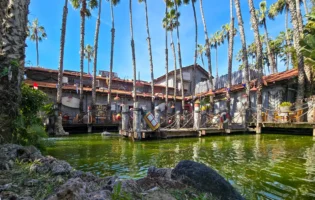
The Warehouse Restaurant
Themed, all-wood, waterfront steakhouse and seafood restaurant built from reclaimed shipyard materials, serving marina views since 1969.
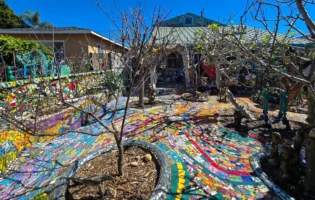
Mosaic Tile House
Working artists' home transformed into a living kaleidoscope of handmade tiles, broken ceramics, and found objects since 1994.
Old Lightning
Hidden Marina Del Rey speakeasy showcasing one of the country's most extensive collections of rare vintage spirits.
Pizzeria Sei
Tokyo-style Neapolitan pizza considered some of the best in the world, served at intimate counter seating around a wood-fired oven.
The Wende Museum on Other Sites