
The Museum of Jurassic Technology
Museum & LA cultural gem showcasing curiosities, forgotten histories, and phenomena at the edges of knowledge.
- See
The Museum of Jurassic Technology Details
Overview
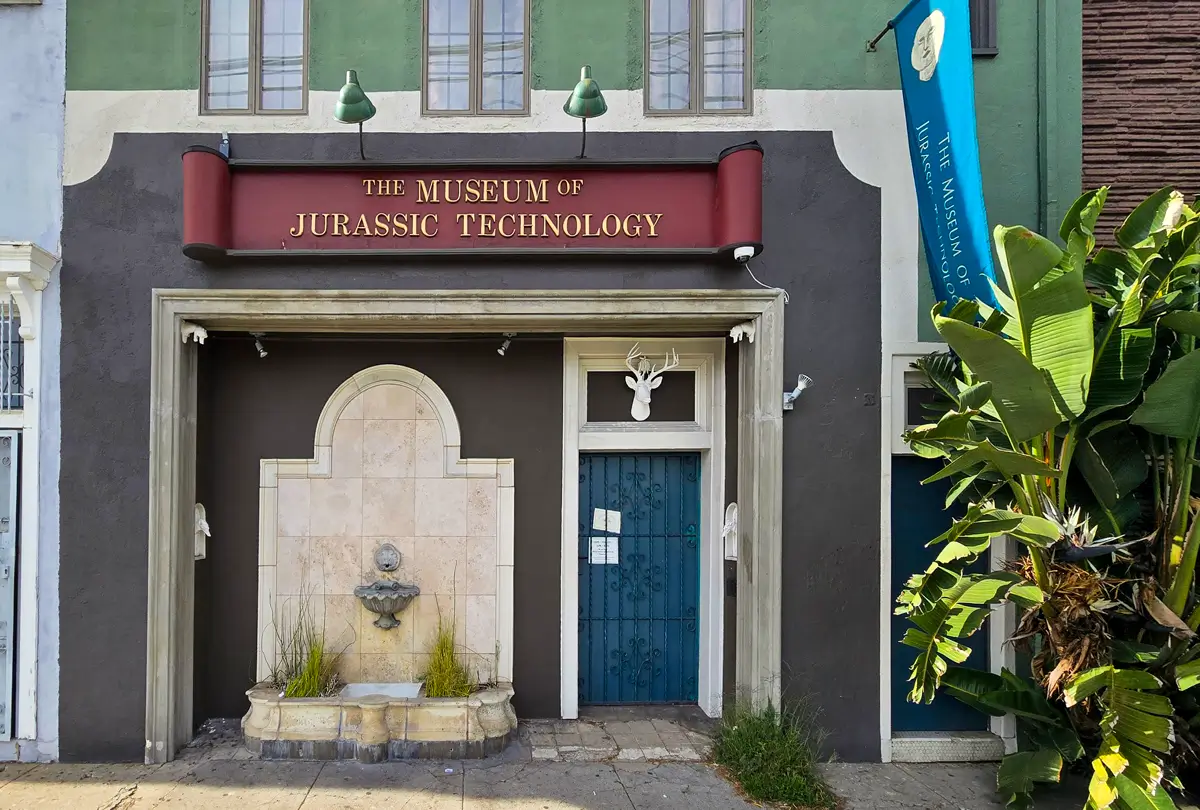
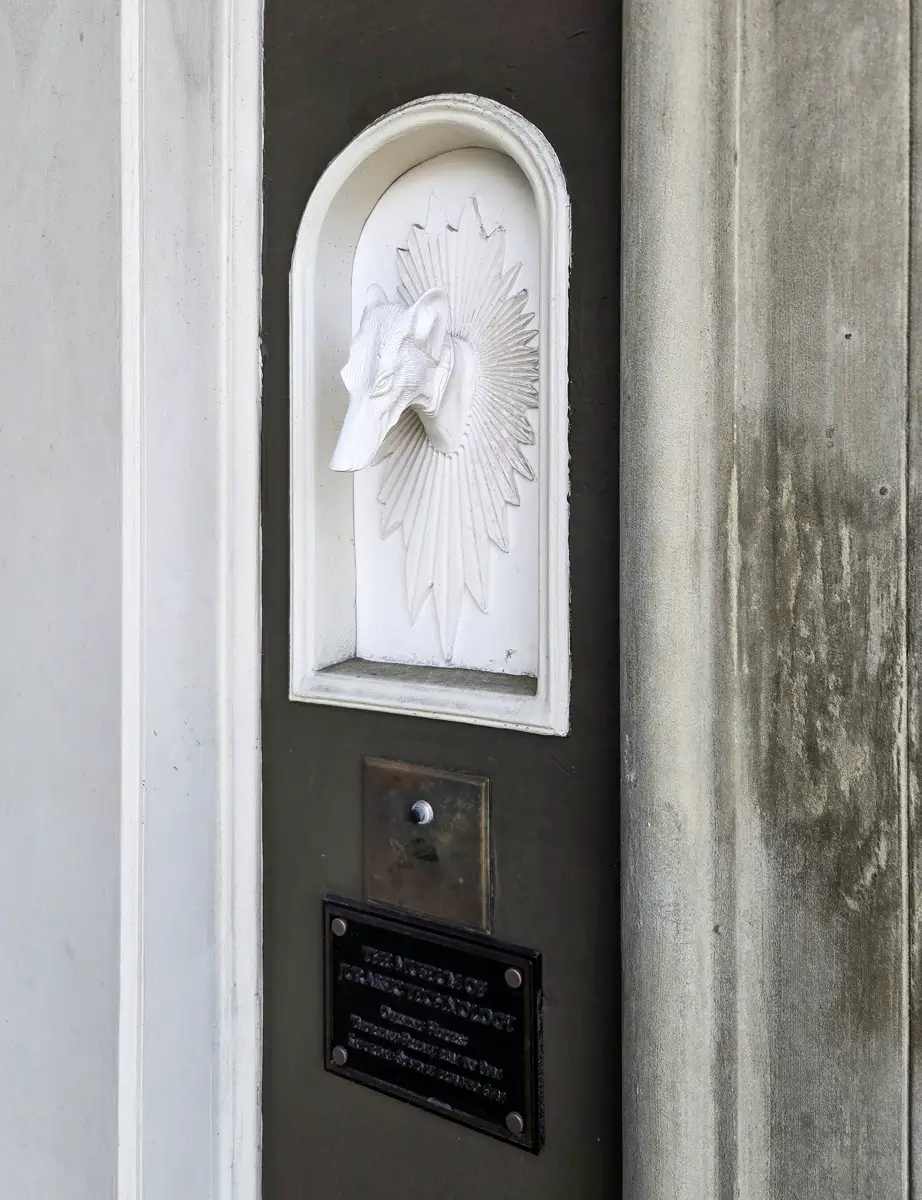
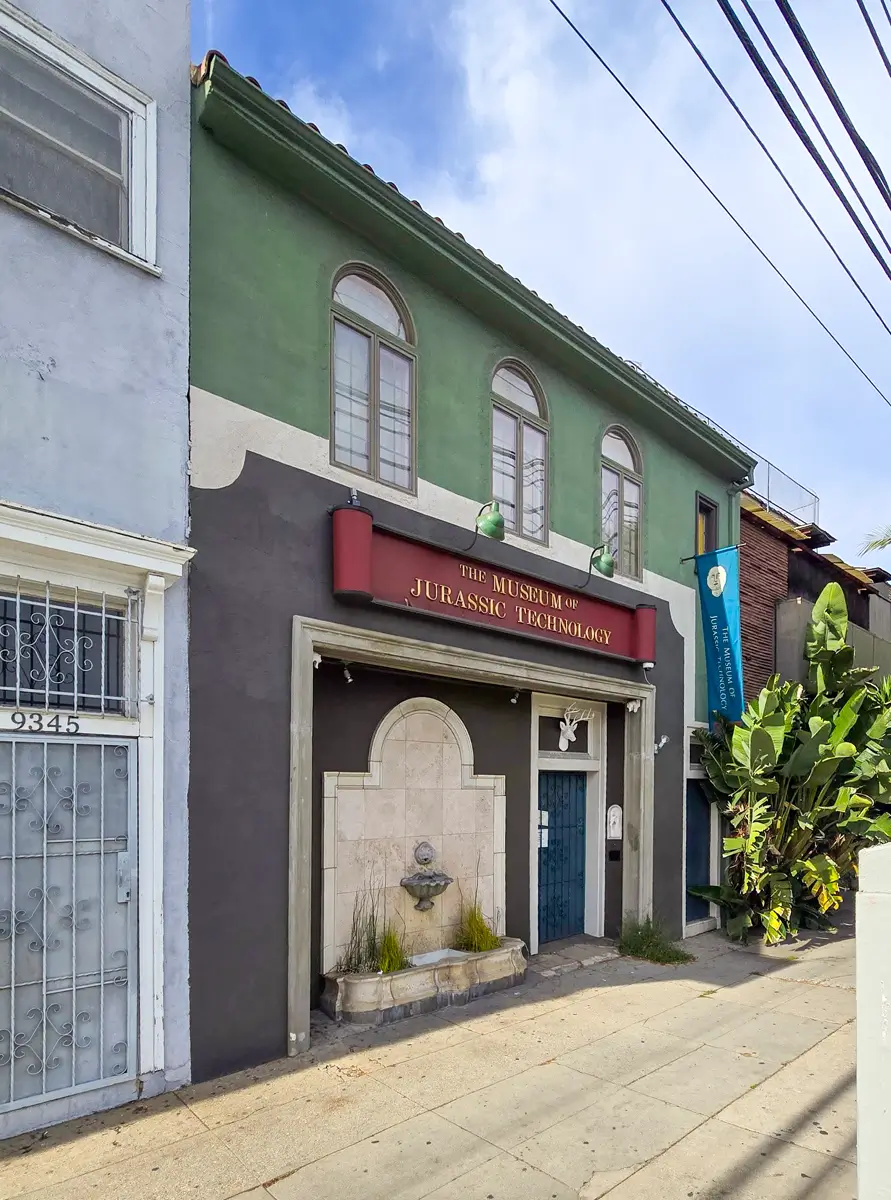
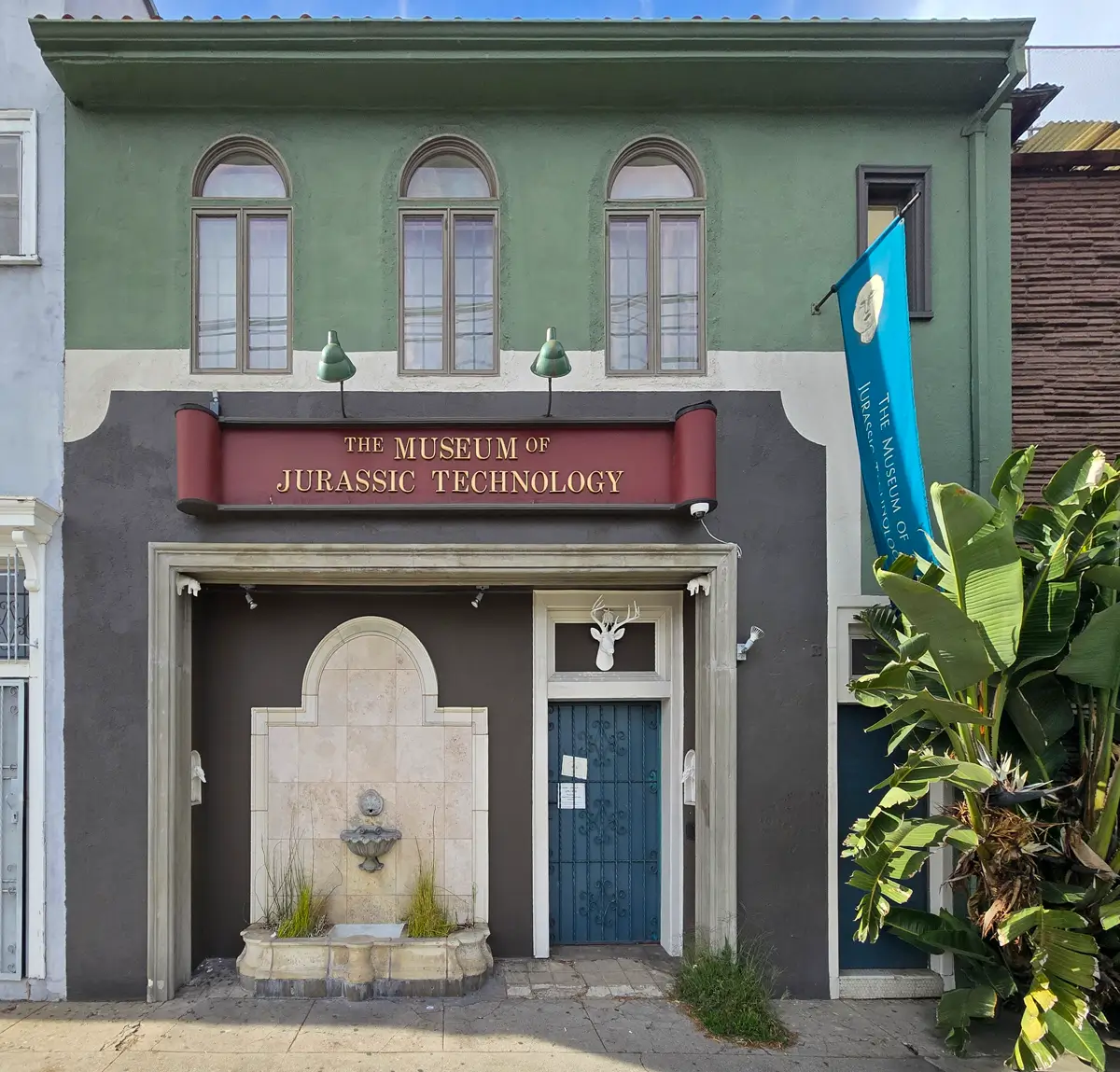
Details
Experiencing The Museum of Jurassic Technology / Curious LA Field Notes
Quick Take
The Museum of Jurassic Technology operates on a different wavelength than conventional museums. Exhibits present obscure historical phenomena, scientific curiosities, and cultural artifacts - often with meticulous scholarly detail. You'll peer at microscopic sculptures seemingly impossible in their intricacy, read about forgotten figures and phenomena rarely documented elsewhere, and walk through galleries that evoke Victorian cabinets of curiosities. The museum rewards patience and careful observation. Each exhibit invites you to look closer, read thoroughly, and draw your own conclusions. This is one of LA's most beloved cultural treasures precisely because it refuses to oversimplify or explain away the strange, the beautiful, and the mysterious corners of human knowledge and creativity.
Entering the Mystery
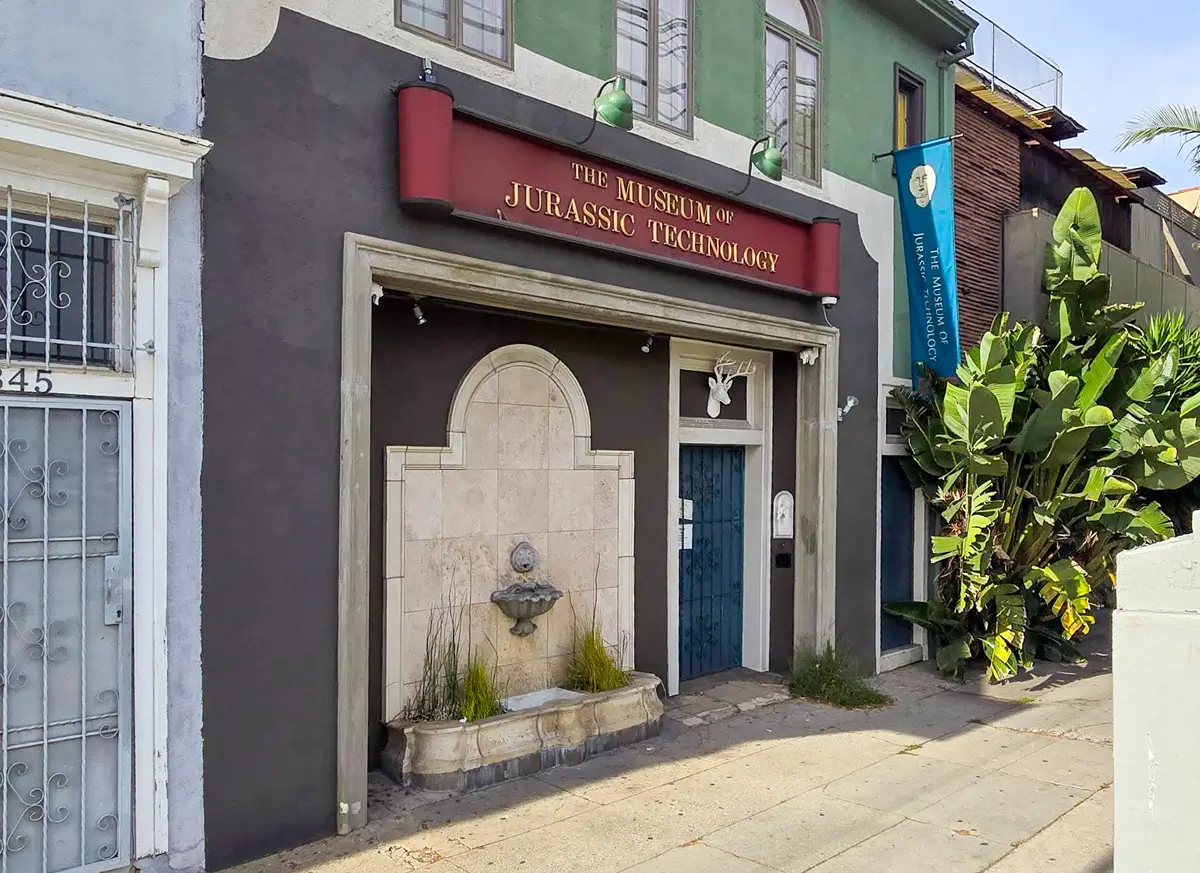
The unmarked door opens into darkness. Incense mingles with the smell of old books. Your eyes adjust slowly to the dim light revealing a warren of small rooms connected by narrow passages. Wood and glass display cases line every wall, their contents illuminated by single spotlights that leave everything else in shadow.
This is not a museum that explains itself simply. Placards offer detailed information about exhibits, presented with academic rigor and scholarly attention. You read about historical figures, scientific discoveries, and cultural phenomena documented with precision. The depth of detail rewards slow, careful reading.
The museum was founded by David and Diana Wilson in 1988, though the building itself dates back over a century. Its stated mission involves “the advancement of knowledge and the public appreciation of the Lower Jurassic.”
What You’ll Encounter
Exhibits span an extraordinary range. Microminiature sculptures carved from individual human hairs sit within the eyes of needles. You peer through microscopes at impossibly tiny figures—Pope John Paul II, Napoleon, Goofy—each carved with astonishing precision by artist Hagop Sandaldjian.
Collections devoted to obscure historical phenomena fill other rooms. Displays document trailer park culture, the heroic dogs of the Soviet space program, 17th-century polymath Athanasius Kircher, and unusual theories sent to Mount Wilson Observatory in the early 20th century. Each exhibit explores territories rarely covered by traditional museums.
Lawrence Weschler spent years investigating the museum for his 1995 book “Mr. Wilson’s Cabinet of Wonder,” exploring the collection through conversations with founder David Wilson and deep research. The museum, according to Wilson, presents “phenomena that other natural history museums are unwilling to present.” This commitment to showcasing the overlooked, the unusual, and the under-documented makes every visit fascinating.
The Tea Room Experience
After wandering the galleries, stairs lead up to the Tula Tea Room. The space reconstructs the study of Tsar Nicolas II from St. Petersburg’s Winter Palace. A coal-fired brass samovar sits ready for hot tea service in glass accompanied by cookies.
The room provides respite from the intensity of the galleries below. Windows look out onto the rooftop garden, where more birds nest among potted plants. This tranquil space offers time to reflect on what you’ve seen and rest before continuing your exploration.
Just outside, birds nest among potted plants in an exceptional rooftop garden space that provides as deep & meaningful an experience as the exhibits within the museum. Often, an informal playing of an antique instrument mingles with the soft cooing of the resident doves.
Practical Considerations
Plan for at least two hours. The museum is small but extraordinarily dense with detail. Each exhibit case contains layers of information. The dimness and the scholarly depth of each display demand time and attention. Many visitors return multiple times, discovering new details with each visit.
Photography and cell phone use are prohibited throughout the museum. This policy encourages present-moment engagement and protects the contemplative atmosphere. You experience the exhibits directly rather than through screens, which deepens the impact.
The building’s age means some areas remain inaccessible to wheelchairs and strollers. The upstairs tea room and rooftop garden require navigating stairs. The museum offers discounted admission for visitors with mobility limitations who cannot access all areas.
Timed entry tickets must be purchased online before visiting.
What Others are Saying
Nearby Curious Los Angeles Destinations
The Center for Land Use Interpretation
Research gallery examining how Americans shape, use, and interpret the physical landscape through rotating exhibitions, photographs, and maps.
International Society for Krishna Consciousness of Los Angeles (Bhagavad-gita Diorama-Museum)
Eleven animated clay dioramas present ancient Hindu scripture through a 45-minute multimedia journey of light, sound, and traditional artistry.
Baldwin Hills Scenic Overlook (and Culver Steps)
Climb 282 recycled concrete steps to a 500-foot summit offering panoramic views from downtown LA to the Pacific Ocean.

The Wende Museum
One of the world's largest Cold War collections housed in a converted 1949 armory, preserving everyday life behind the Iron…
Pizzeria Sei
Tokyo-style Neapolitan pizza considered some of the best in the world, served at intimate counter seating around a wood-fired oven.
The Mar Vista Time Travel Mart
Whimsical retail storefront selling absurdist time travel supplies to fund 826LA's free youth writing programs.
St. Elmo Village
Historic artist commune offering free art workshops, colorful murals, and community creativity in 1920s Craftsman bungalows
The Museum of Jurassic Technology on Other Sites