
The Center for Land Use Interpretation
Research gallery examining how Americans shape, use, and interpret the physical landscape through rotating exhibitions, photographs, and maps.
- See
The Center for Land Use Interpretation Details
- Friday-Sunday: 12:00 PM - 5:00 PM
- Closed Monday-Thursday and certain holidays
Overview
Details
Experiencing The Center for Land Use Interpretation / Curious LA Field Notes
Quick Take
The Center documents the American landscape most of us ignore: the gravel pits that provide concrete for our roads, the power plants generating our electricity, the warehouses storing our packages. Founder Matthew Coolidge and his team present this research without environmental advocacy or artistic commentary, letting photographs and maps speak for themselves. The small gallery changes exhibitions every few months, each focusing on a specific type of land use or geographic region. You can browse in 20 minutes or spend an hour reading the detailed documentation.
A Different Kind of Museum
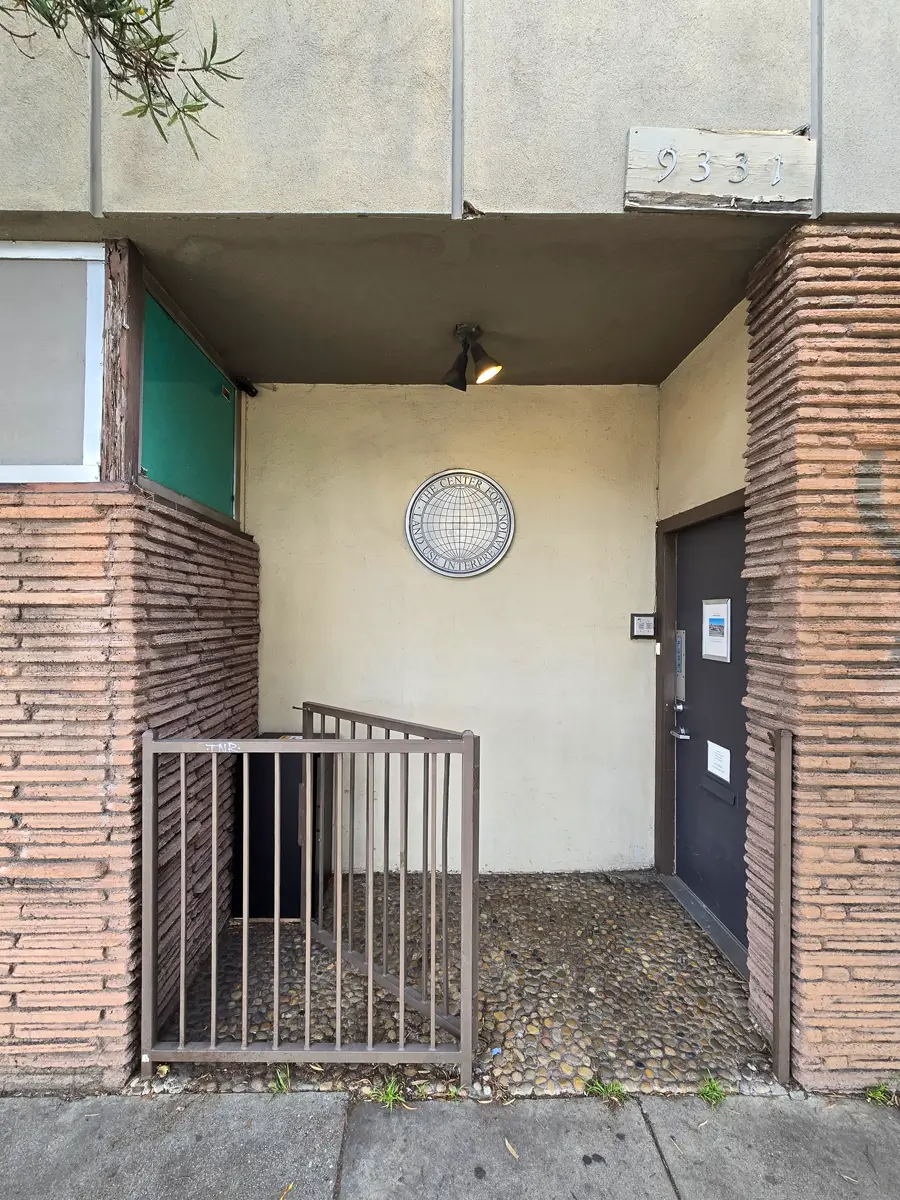
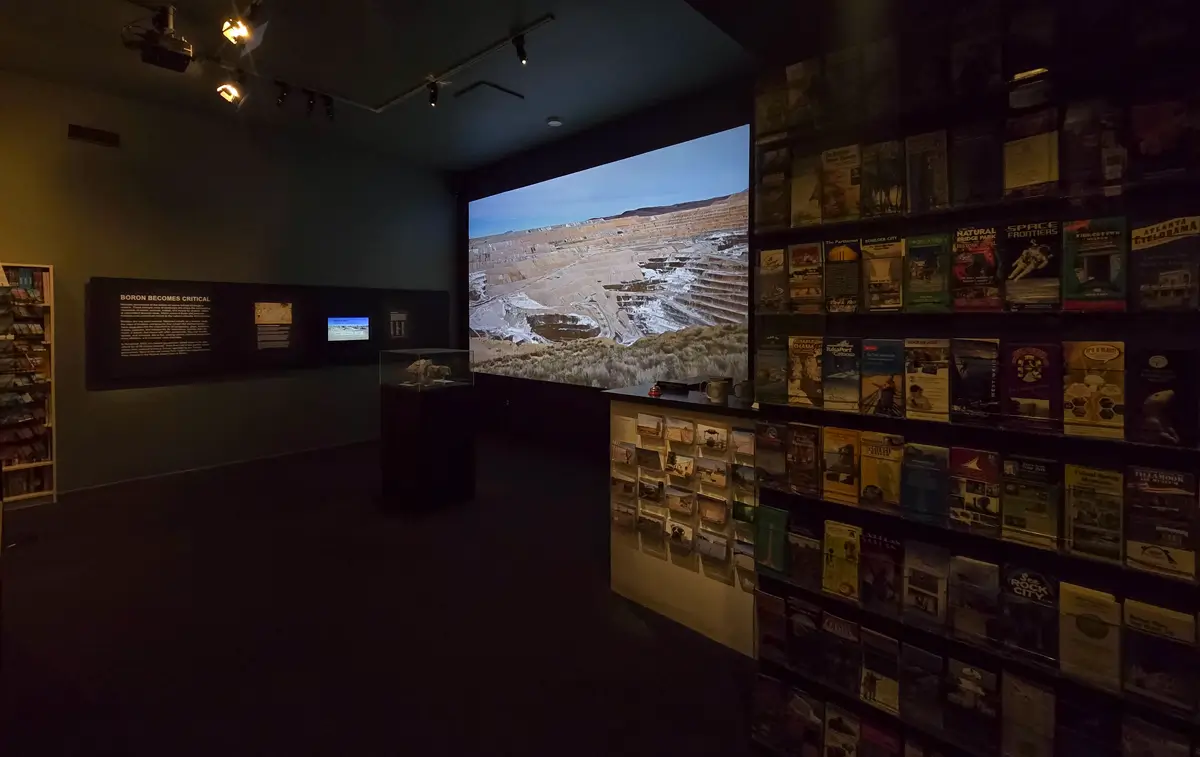
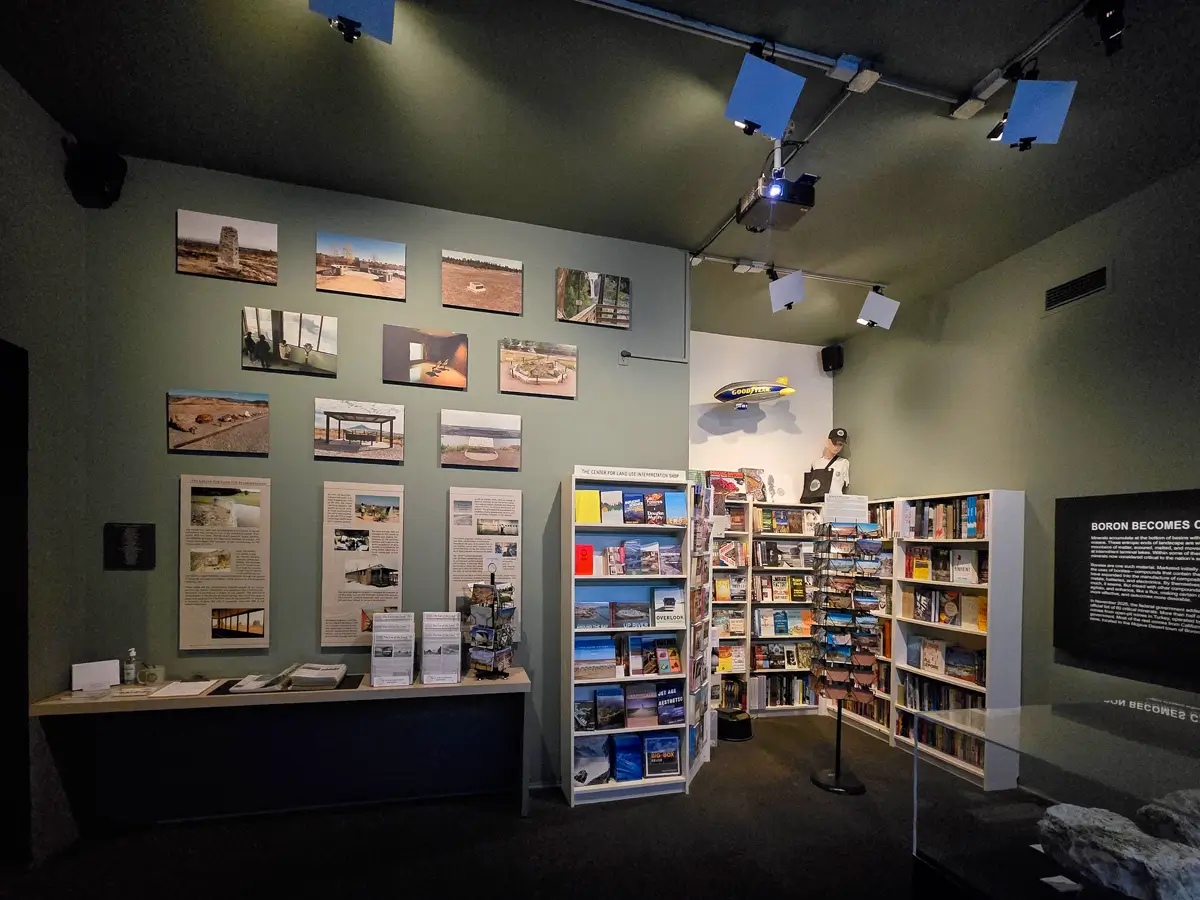
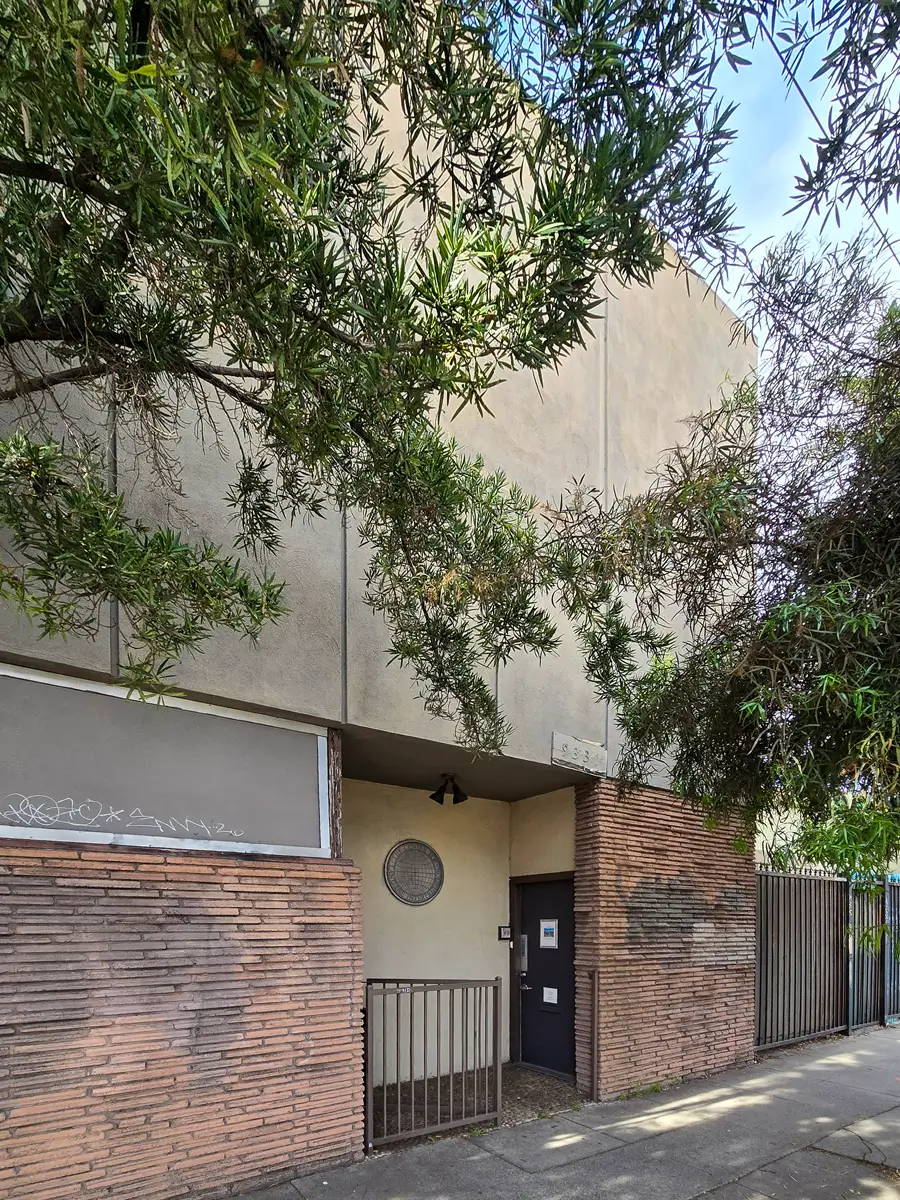
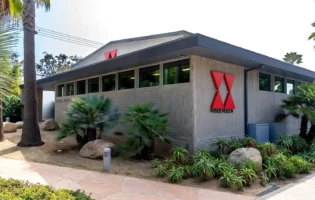
Walk into this modest storefront on Venice Boulevard and you might wonder if you’re in the right place. No grand entrance, no ticket desk, sometimes not even staff in sight. Just a single room with photographs mounted on walls, maps spread across tables, and a research library in the corner. The space is so plain it borders on clinical.
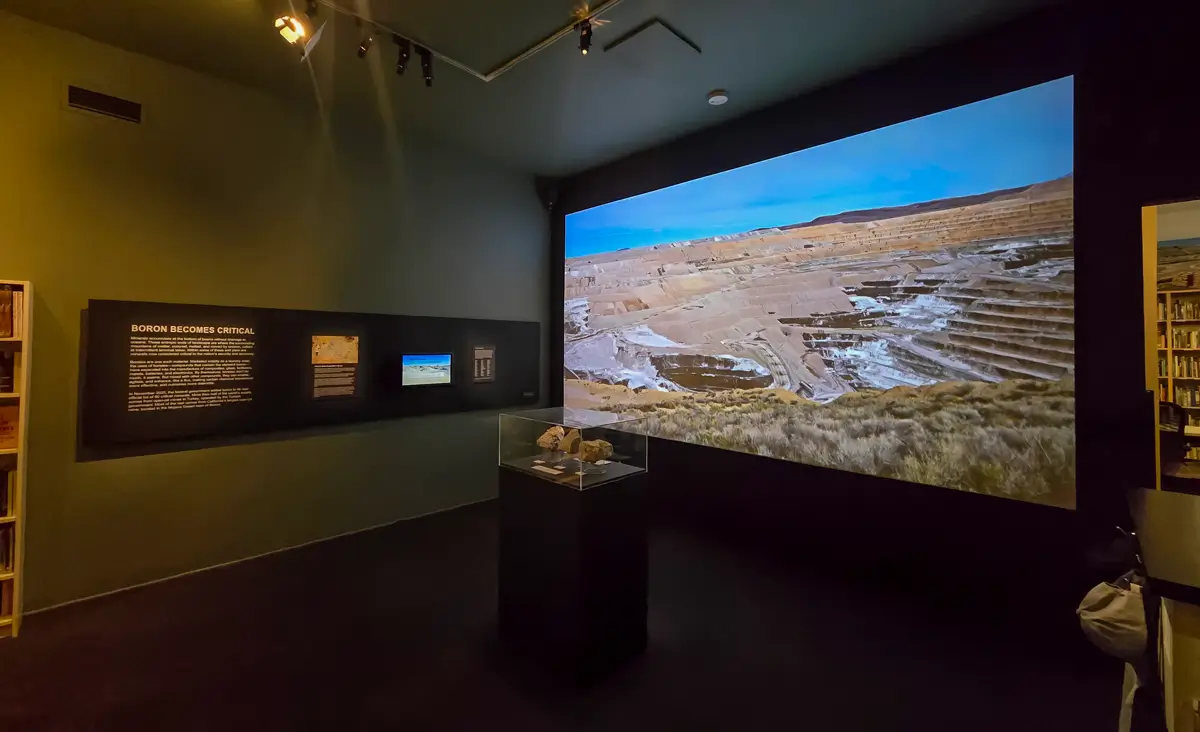
But start looking at what’s on the walls. Those aerial photographs show open pit mines the size of small cities. Maps trace pipeline networks crossing entire states. Diagrams detail how gravel becomes asphalt, how uranium gets processed, how we’ve carved and filled the land to meet our needs. The current exhibition, “Rare Earth: Critical Minerals in the USA,” examines where the materials for our electronics and batteries come from.
The Center doesn’t tell you what to think about any of this. No placards explaining whether these industrial sites are good or bad, no environmental warnings, no artistic statements. The presentation style mimics a government research facility more than an art gallery. Photographs appear without filters or dramatic angles. Text provides facts: dimensions, dates, production numbers, ownership details.
This neutral approach is the point. Founded in 1994 by geographer and artist Matthew Coolidge, the Center documents what founder calls “anthropogeomorphology” – landscapes shaped by human activity. The work sits somewhere between art project, geography lesson, and archive. Past exhibitions have covered parking lots, police training facilities that look like fake towns, sites where airships crashed, and the margins of Los Angeles where the city meets undeveloped land.
What You’ll Actually See
Exhibitions change every few months, each tackling a specific theme or region. You might find yourself looking at photographs of sewage treatment plants, abandoned shopping malls, simulated Main Streets built for law enforcement training, or the Nevada Test Site where nuclear weapons were developed. The images are large format and technically precise. If there’s a human figure in frame, it’s usually for scale.
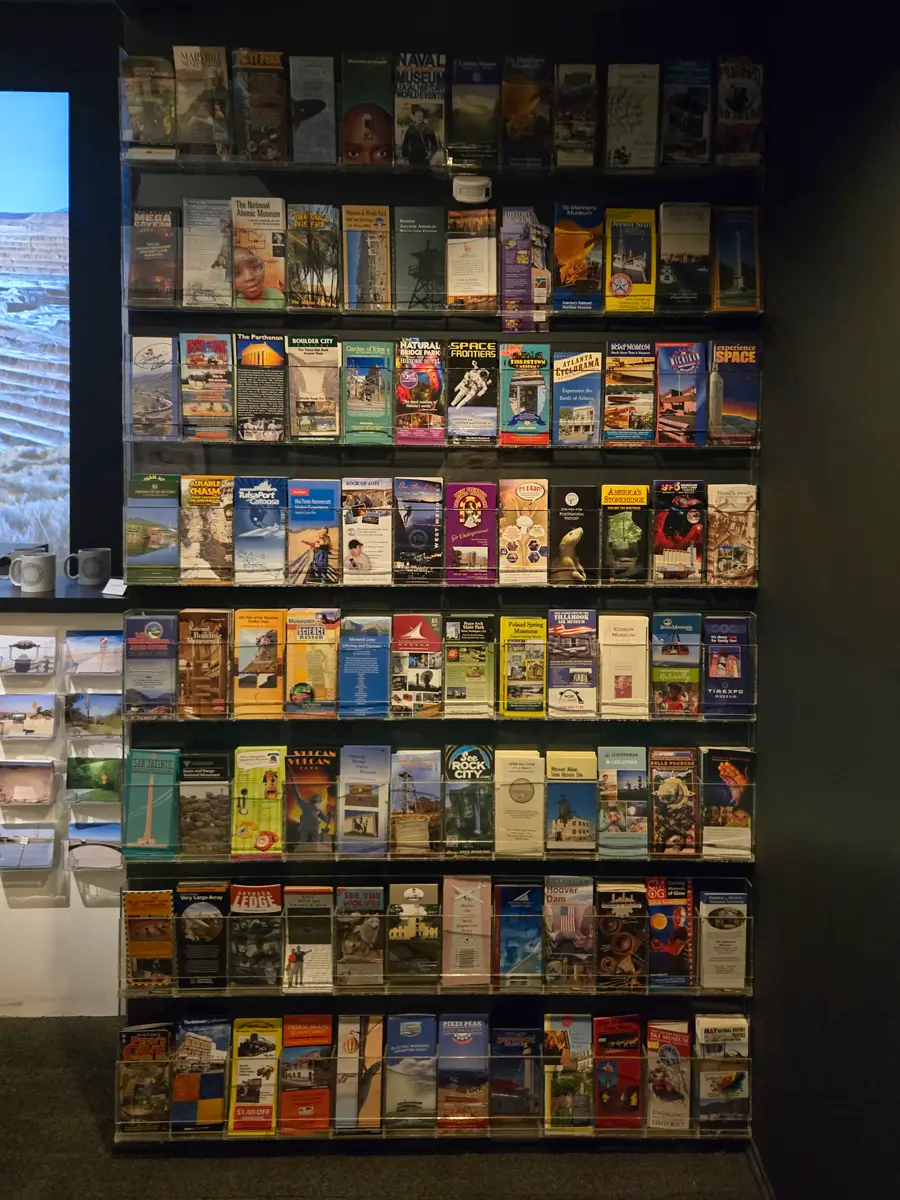
Maps and diagrams fill out each exhibition. Pipeline routes, mining claim boundaries, watershed divisions, land ownership patterns. Tables hold research binders you can flip through. The library shelves contain books about infrastructure, industrial archaeology, and geographic surveys.
Some visitors spend five minutes and leave confused. Others settle in for an hour, absorbed in the systematic documentation of a world most people drive past without noticing. Geography students, urban planners, photographers, and artists make up much of the audience, but curious generalists find plenty to contemplate.
Beyond the Gallery
The Center’s most unusual programs happen outside the walls. Several times a year, they organize bus tours to sites documented in their research. Past trips have visited gravel quarries in Irwindale, nuclear power plants in Washington State, shipyards around San Francisco Bay, and even Area 51’s perimeter. Tours last several hours and include commentary from Coolidge or other researchers, plus local experts who work at the sites.
The organization also maintains the Land Use Database on their website – thousands of entries on “unusual and exemplary” locations nationwide, from artillery ranges to tennis courts. Each entry includes photographs, coordinates, and descriptive text. The database functions as both research tool and conceptual art project.
Making Your Visit
The gallery is open Friday through Sunday, 12 to 5 PM. You might be alone when you visit, or sharing the small space with a few other people. Staff may or may not be present – they work in back offices and sometimes leave the gallery unattended. A friendly cat often wanders the space.
Budget 20 to 45 minutes to see an exhibition, longer if you’re the type to read every caption and flip through research materials. The Museum of Jurassic Technology sits two doors down – the pairing makes for an interesting afternoon of unconventional museums.
Parking on Venice Boulevard can be tight. Metered street parking fills quickly on weekends. Public transit works well: MTA buses 33 and 333, plus Santa Monica Big Blue Bus 12, all stop directly in front. The nearby Culver City Metro station on the E Line puts you within a 10-minute walk.
The Center asks no admission but accepts donations. They publish books, maintain other research facilities in the California desert and elsewhere, and continue adding to their database. Everything operates on grant funding and visitor support.
What Others are Saying
Nearby Curious Los Angeles Destinations
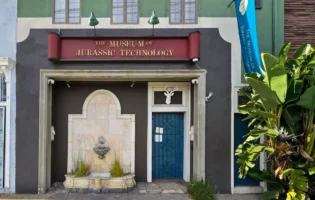
The Museum of Jurassic Technology
Museum & LA cultural gem showcasing curiosities, forgotten histories, and phenomena at the edges of knowledge.
International Society for Krishna Consciousness of Los Angeles (Bhagavad-gita Diorama-Museum)
Eleven animated clay dioramas present ancient Hindu scripture through a 45-minute multimedia journey of light, sound, and traditional artistry.
Baldwin Hills Scenic Overlook (and Culver Steps)
Climb 282 recycled concrete steps to a 500-foot summit offering panoramic views from downtown LA to the Pacific Ocean.
The Wende Museum
One of the world's largest Cold War collections housed in a converted 1949 armory, preserving everyday life behind the Iron…
Pizzeria Sei
Tokyo-style Neapolitan pizza considered some of the best in the world, served at intimate counter seating around a wood-fired oven.
The Mar Vista Time Travel Mart
Whimsical retail storefront selling absurdist time travel supplies to fund 826LA's free youth writing programs.
St. Elmo Village
Historic artist commune offering free art workshops, colorful murals, and community creativity in 1920s Craftsman bungalows
The Center for Land Use Interpretation on Other Sites