
Pasadena Model Railroad Museum
One of the world's largest HO scale model railroads, built by a volunteer club that has been running trains in Los Angeles since 1940.
- See
Pasadena Model Railroad Museum Details
- Open quarterly in 2026 (schedule change from prior monthly format)
- Typical Sunday open house: 1pm – 5pm
- Special Saturday sessions may include evening hours: 7pm – 10pm
- Check their website for the current schedule before visiting
Overview
Details
Experiencing Pasadena Model Railroad Museum / Curious LA Field Notes
Quick Take
The Sierra Pacific Lines covers 5,000 square feet with 1,700 feet of hand-laid track, 25 tunnels, and 33 bridges. Few HO scale railroads anywhere in the world match it for size or operational depth, and this one has been active in LA since 1940. The club that built and maintains it runs the railroad the way a real operation might: with dispatchers, yard crews, and operating sessions that mirror actual rail traffic patterns. A visit gives you a close look at what eight decades of accumulated craft looks like when it's still in active use.
What You’re Walking Into
The building doesn’t announce itself. It’s a former rubber stamp factory on Alhambra Avenue, sitting quietly in East LA between light industrial blocks and residential streets. Step inside and the scale of what’s in front of you takes a moment to register. The Sierra Pacific Lines fills a 70-by-72-foot room from edge to edge. From the viewing walkway, you can watch trains running along multiple mainline tracks, climbing grades through mountain terrain, and rolling through towns with hand-built structures detailed down to the storefront signage.
The Layout Itself
The railroad runs point-to-point from Alhambra (east) to Zion (west), covering a modeled 28 scale miles. The 1,700-foot mainline passes through 25 tunnels and crosses 33 bridges and trestles. The track is hand-laid: around 30,000 feet of steel rail, spiked to roughly 500,000 hand-stained ties with no rail joiners. Instead, the rail was silver-brazed in continuous lengths, a method the club developed and standardized in the 1950s that accounts for much of the layout’s consistent performance over the decades. Three principal yards at Alhambra, Midway, and Zion hold around 2,000 cars total. A theatrical lighting rig overhead runs an automated day-night cycle, shifting the whole room as trains pass.
A Working Club Museum
This is not a static display. The museum is staffed by the same members who run and maintain the railroad. The Pasadena Model Railroad Club formed in April 1940, has rebuilt the layout three times across different locations, and has owned its current building on Alhambra Avenue since the early 1980s. Between 2015 and 2017, members stripped out 1,600 pounds of the original analog wiring and converted the entire system to Digital Command Control, a project that continues to expand.
During open houses, you’ll see members at operating positions: running trains, managing yard panels, and handling dispatch. Ask them how something works and you’ll get a direct, informed answer. The on-site Research Center adds another layer, with a substantial library of model railroad magazines, railroading photographs, and historical reference materials.
Honest Assessment
The space is a working club building, not a designed exhibition. The lighting serves the railroad first, which means photography across the far reaches of the layout can be tricky. The museum specifically recommends bringing binoculars or opera glasses to read detail on the far side of the room, and that advice is worth taking seriously. The admission model is a suggested donation rather than a ticket, which keeps the door open but also means funding is modest.
Starting in 2026, the museum shifted from monthly open houses to a quarterly schedule to allow time for maintenance and upgrades. Fewer open days means planning ahead is more important than it used to be, but it also means the layout stays in better condition than if it were open every weekend.
Who This Is For
Model railroad enthusiasts should put this on their list. The scale and craftsmanship here are genuinely uncommon, and the layout is operational rather than preserved behind glass. Families with kids who have any interest in trains tend to respond well to the sheer volume of movement across the layout. For anyone drawn to the kind of long-running, highly specific obsession that produces something extraordinary over decades, the Sierra Pacific Lines is an instructive example.
What Others are Saying
Nearby Curious Los Angeles Destinations
Heritage Square Museum
Eight rescued Victorian buildings from 1876-1900 offer docent-led tours through Los Angeles' first century of statehood.
Lummis Home-El Alisal
Stone house hand-built over 13 years by pioneering journalist and Native American rights activist Charles Fletcher Lummis
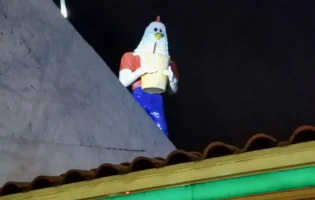
Chicken Boy
The Statue of Liberty of Los Angeles: a 22-foot rooftop guardian (half man and half chicken) who stands over the…
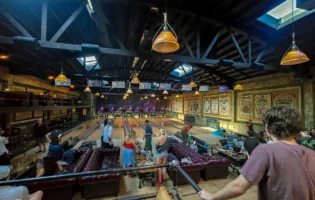
Highland Park Bowl
Los Angeles's oldest operating bowling alley, restored to its 1927 Prohibition-era glory with vintage lanes and exposed pin-setting machinery.
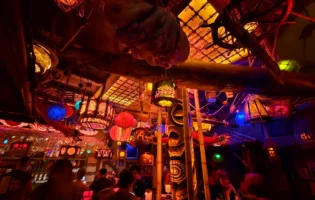
The Lucky Tiki (Highland Park)
Hidden speakeasy tiki bar tucked behind Highland Park Bowl serving theatrical rum cocktails in a vintage Polynesian hideaway.
Galco’s Old World Grocery (Soda Pop Stop)
Family-owned Highland Park soda shop stocking 700+ independent sodas alongside vintage candy, craft beer, and deli sandwiches.
The Steepest Road in California (Eldred Street & Stairs)
California's steepest drivable street with a 33% grade and historic wooden stairs leading to sweeping city views.
MorYork
Clare Graham's 7,000-square-foot Highland Park studio filled with sculptural works made from millions of buttons, pop tops, and found objects.
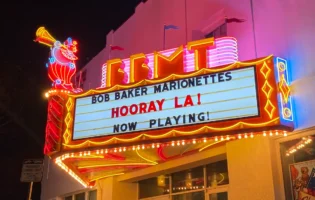
Bob Baker Marionette Theater
America's longest-running puppet theater, where hand-crafted marionettes have performed for families since 1963.
Chinatown
Historic neighborhood where Chinese American culture lives through food markets, temples, red-lantern plazas, and generations of family-run businesses
Philippe The Original
Historic downtown spot serving the original French dip sandwich since 1918 in a no-frills cafeteria with sawdust floors.
Pasadena Model Railroad Museum on Other Sites