Museum of Neon Art
The only museum in the world dedicated to electric and neon art, showcasing rescued historic LA signs and contemporary light-based works.
- Do
- See
Museum of Neon Art Details
- Thursday-Saturday 12pm-7pm
- Sunday 12pm-5pm
- Closed Monday-Wednesday
Overview
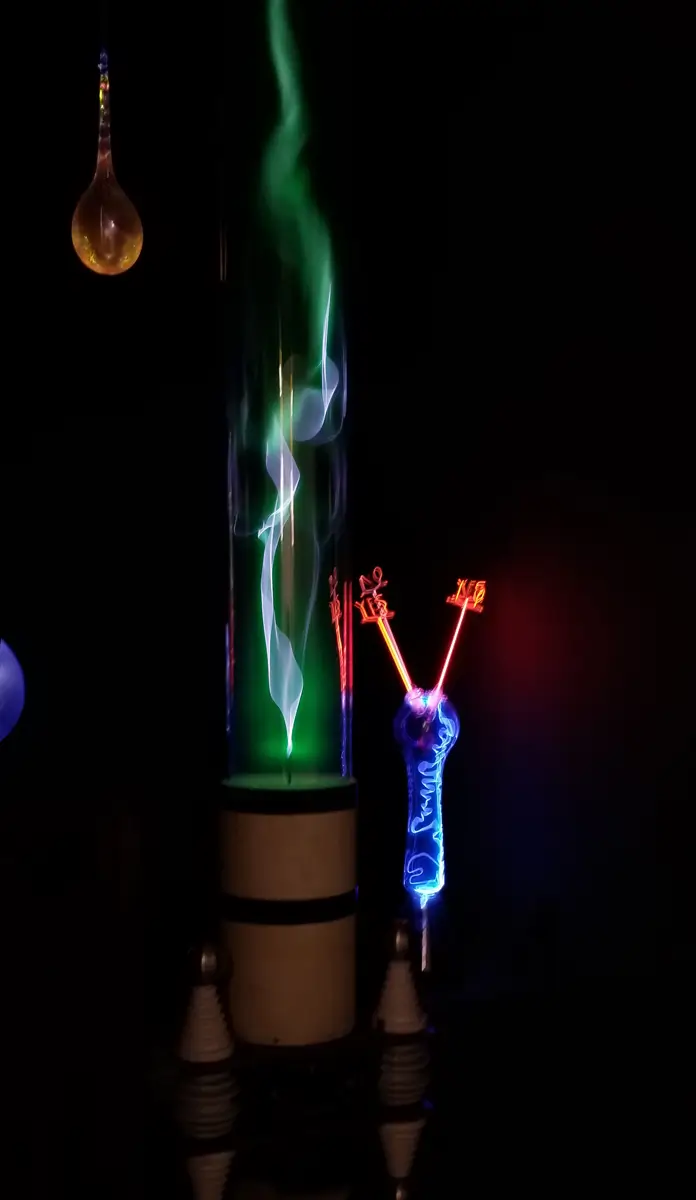
Details
Experiencing Museum of Neon Art / Curious LA Field Notes
Quick Take
Most museums preserve paintings or sculptures. MONA rescues the glowing signs that defined LA's streetscapes for nearly a century. This small museum captures the intersection where commercial advertising became folk art, where glass tubes filled with noble gases told stories about restaurants, theaters, and businesses that shaped the city's identity. Beyond preservation, MONA keeps the craft alive through classes where you can bend your own tubes over torches, and tours that reveal how neon still lights up the city after dark.
A Museum Built on Rescue Missions
MONA didn’t start as a collection. It started as an act of preservation. When the Brown Derby closed and its iconic hat-shaped sign faced demolition, artists Lili Lakich and Richard Jenkins realized LA’s neon heritage was disappearing. They founded MONA in 1981 to save these electric artworks before they vanished into landfills.
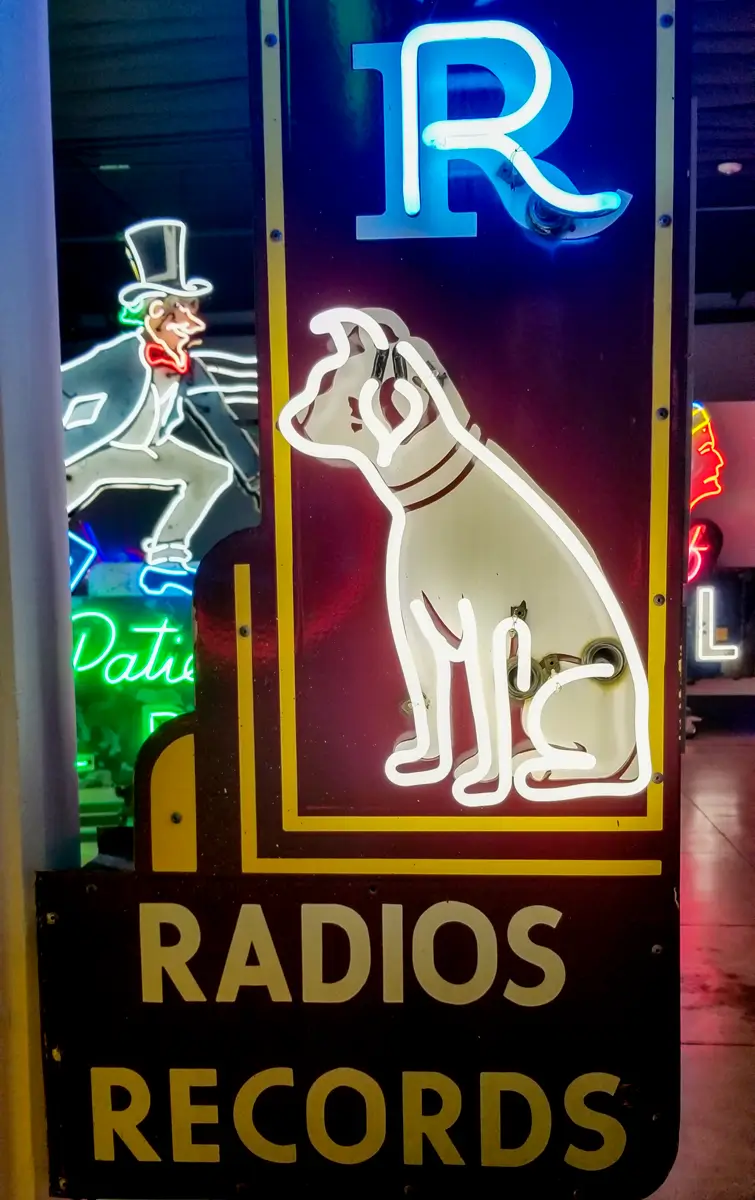
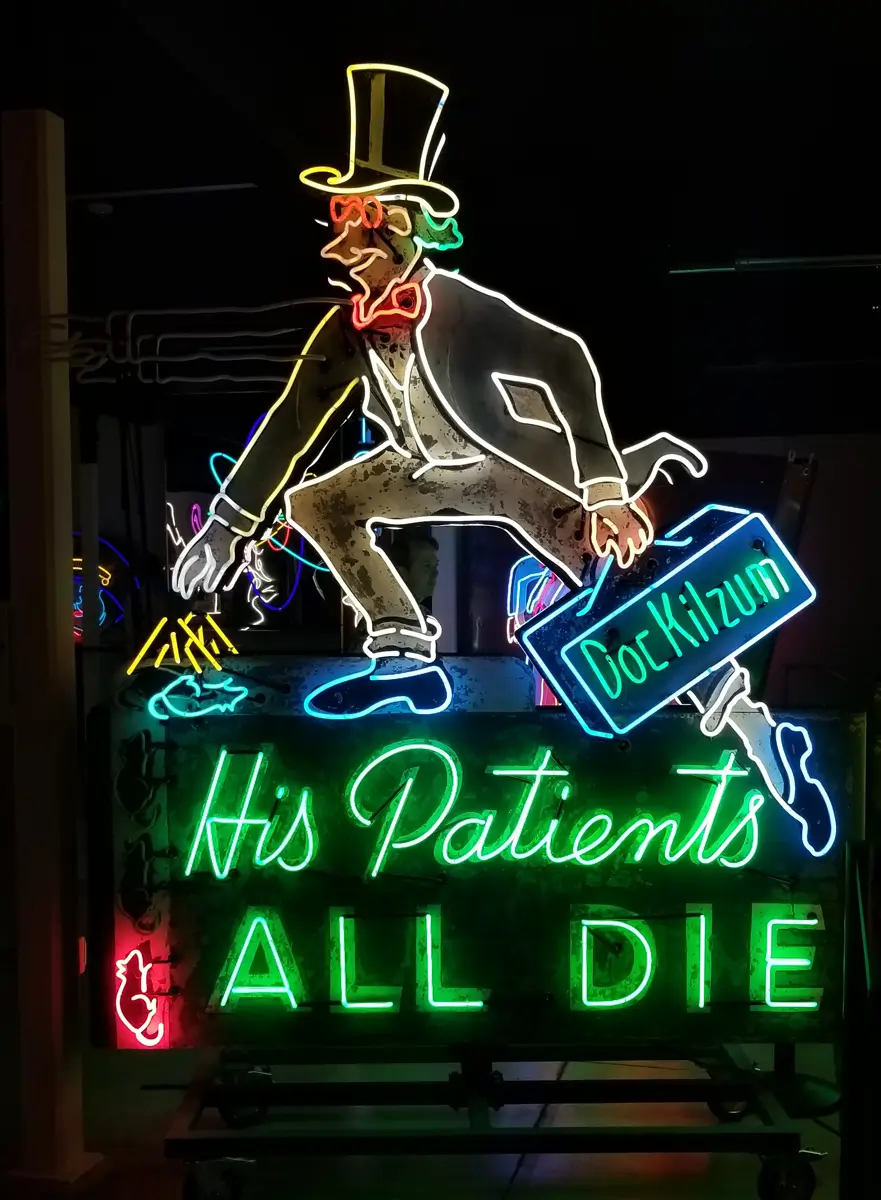
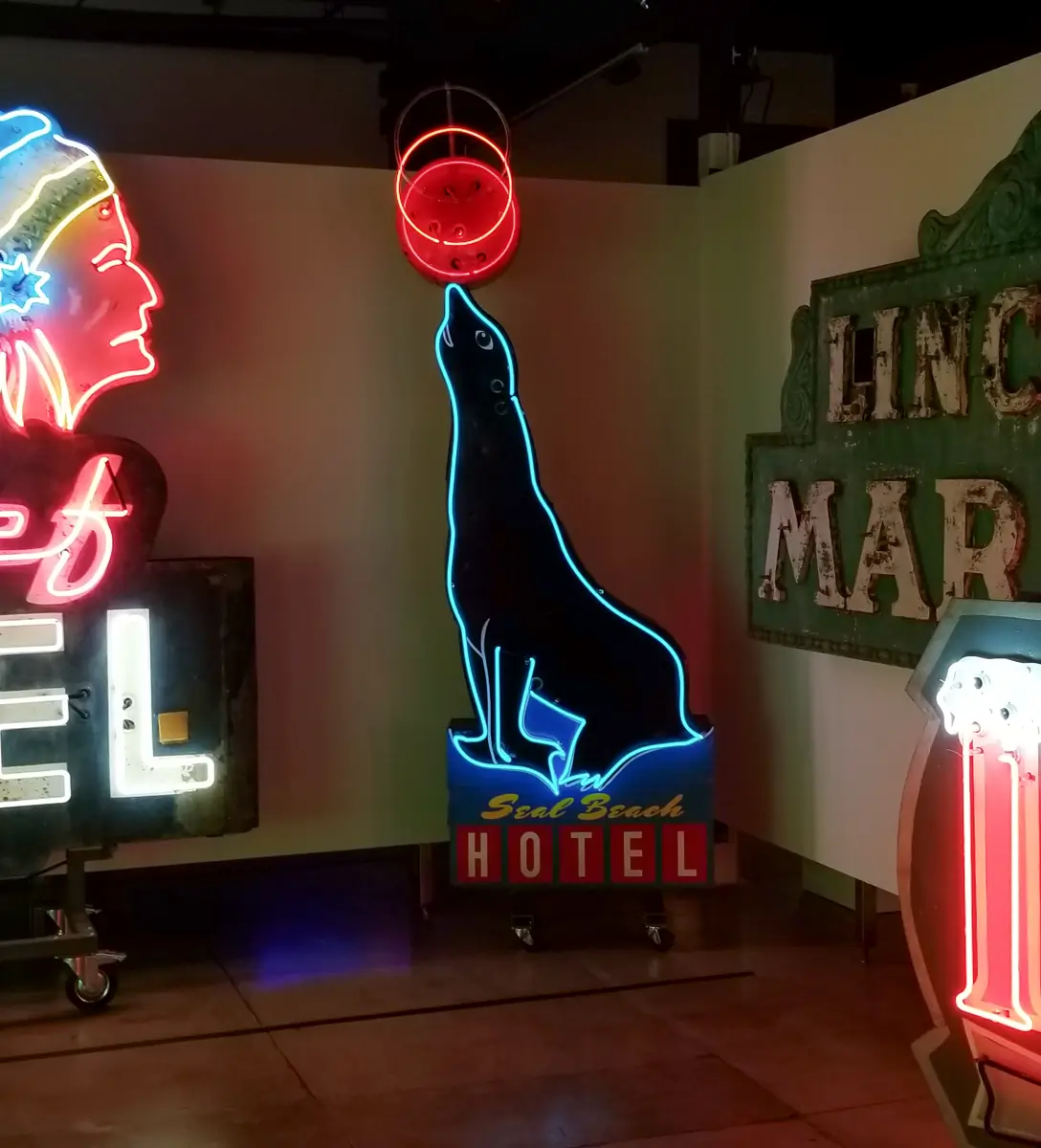
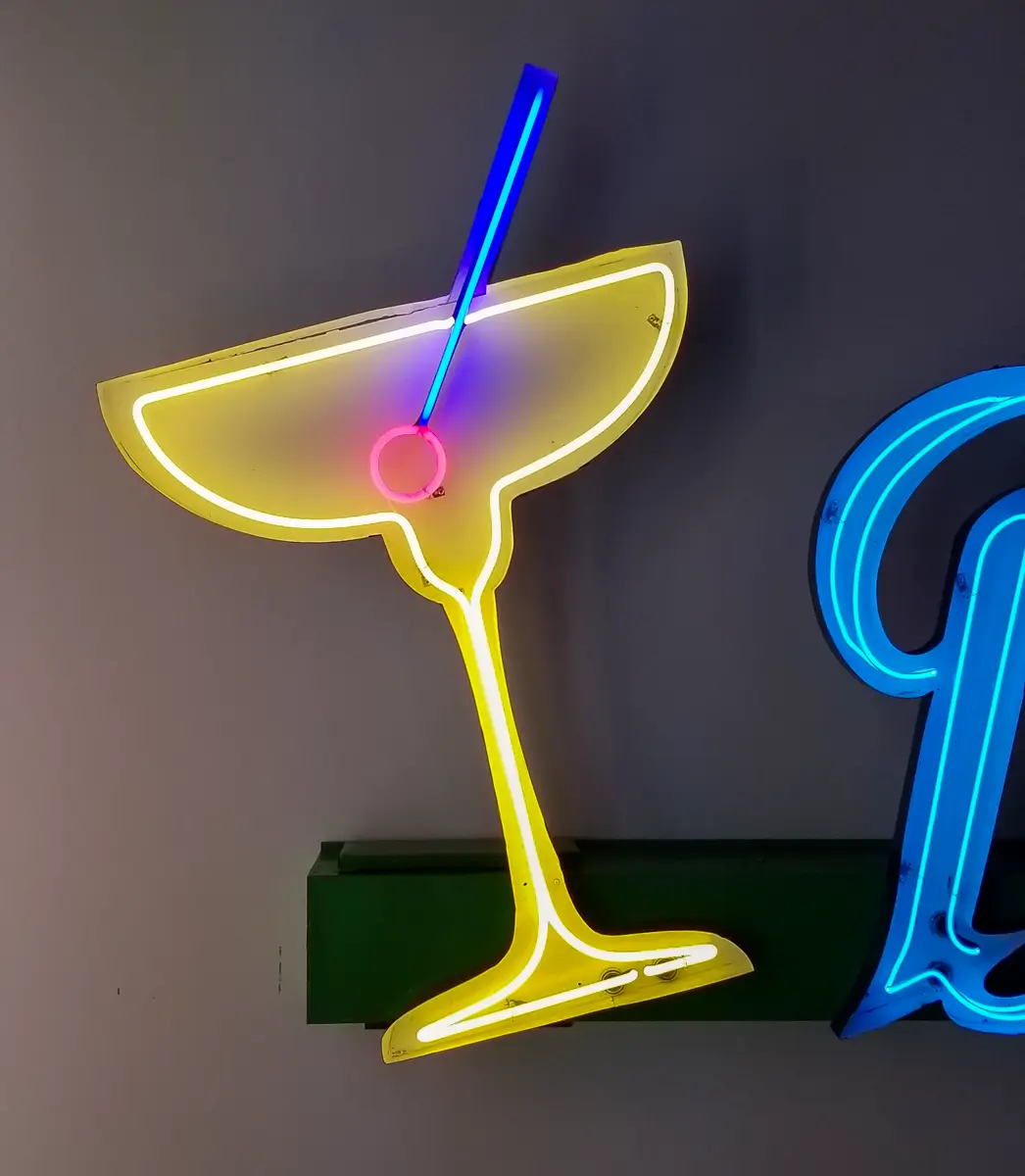
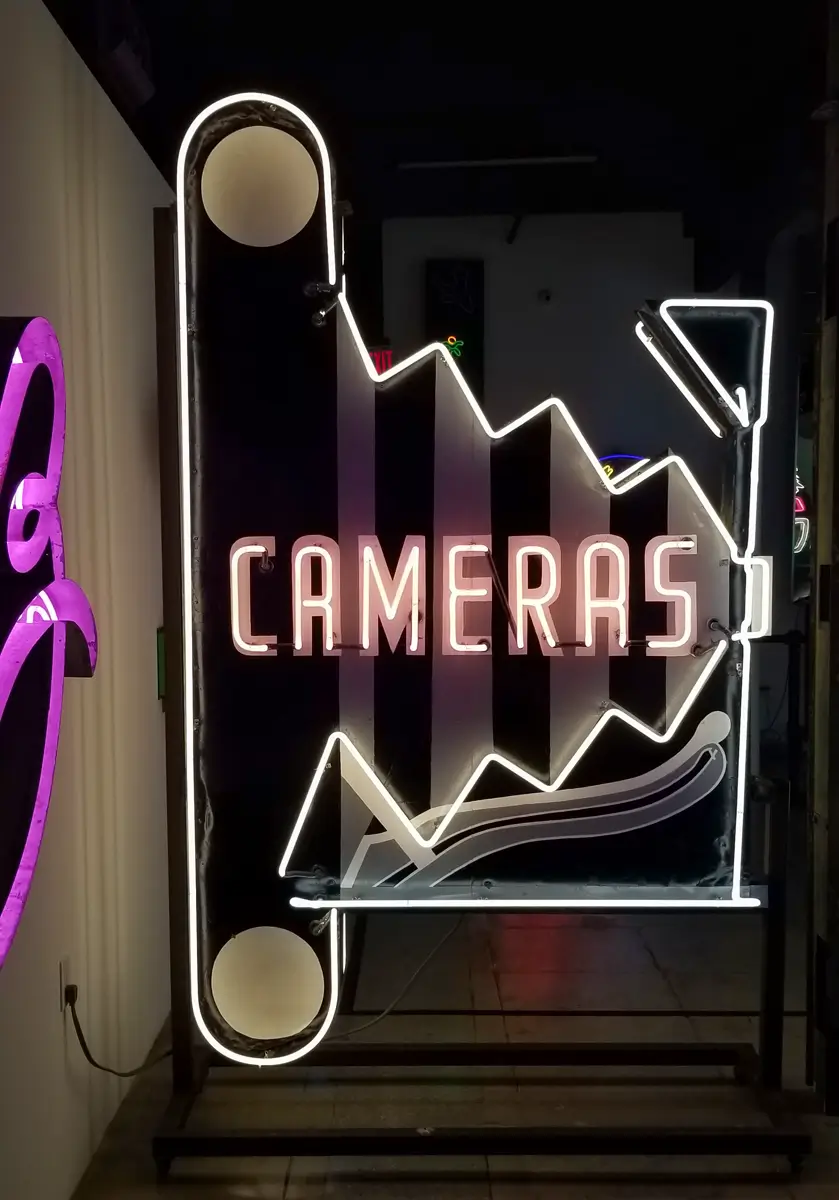
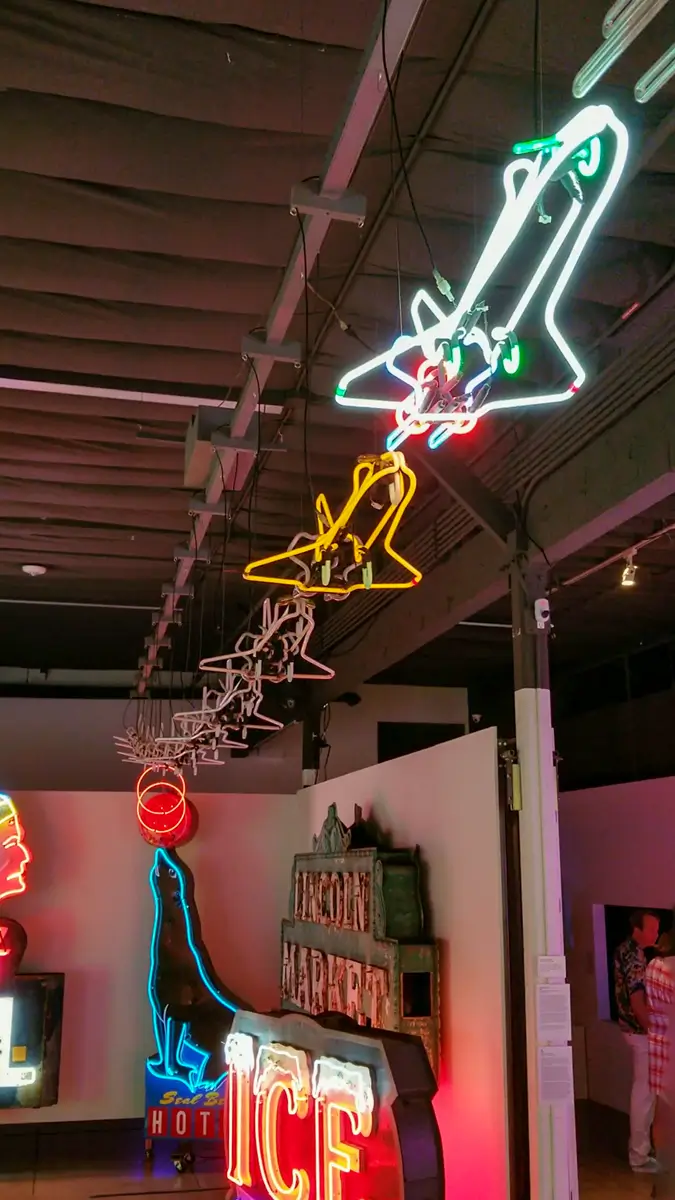
The museum’s current Glendale home opened in 2016, adapted from a former pharmacy and video arcade. Walk through the entrance and you’re greeted by the gift shop, then turn the corner into galleries where vintage signs share space with contemporary light-based sculptures. The collection spans 90 years of electric media, from 1930s Art Deco marquees to modern plasma installations.
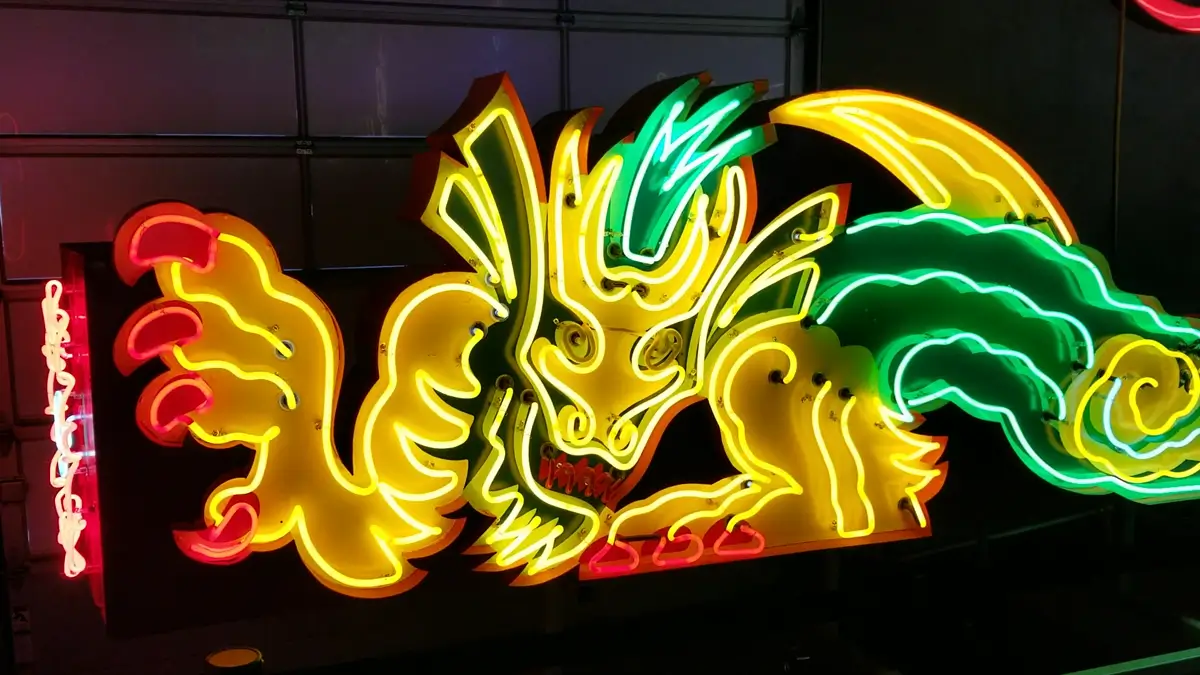
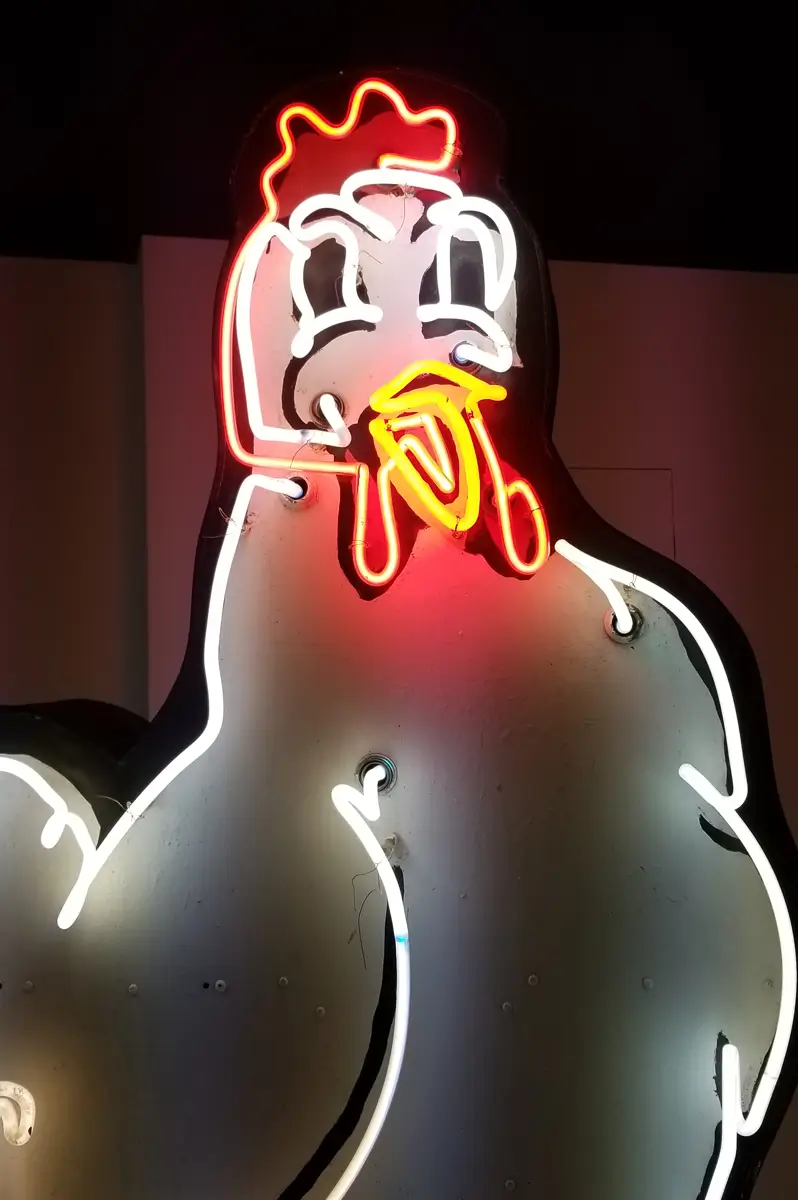
You’ll find signs from Matsuno Sushi in Little Tokyo, one of the few businesses that survived Japanese American internment. Billy’s Deli’s sign represents Jewish businesses during Glendale’s sundown town era. The Grauman’s Chinese Theatre dragon, a 37-foot piece that once hung over Hollywood Boulevard, required years of restoration work. Each sign carries layers of Los Angeles history beyond its glow.
Watching the Craft in Action
MONA’s on-site studio lets you see fabrication happen in real time. During classes, instructors demonstrate the three types of torches used for neon work: ribbon burners for curves, crossfires for sharp angles, and hand torches for detail work. Students heat glass tubes to 1,000 degrees, bend them into shapes, then evacuate the air and fill them with gases like neon (orange-red) or argon (blue-white).
One-day immersive classes run about $200-250. You’ll make simple pieces to practice the techniques, and you’ll take home a finished work with its own transformer. Eight-week courses dive deeper into design, pattern-making, and the chemistry behind different colors.
Even if you’re just visiting the galleries, you can often watch through windows as students work the flames. The plasma display room requires a staff member to activate it, but the crackling electric arcs demonstrate how the technology works.
Beyond the Museum Walls
MONA runs two types of tours that extend the experience beyond the gallery. The Neon Cruise, operating since 1985, loads passengers onto an open-top double-decker bus for three-hour nighttime journeys through Downtown LA, Hollywood, and Chinatown. Tour guides share architectural history and preservation stories while you pass illuminated theater marquees, vintage motel signs, and contemporary installations.
Walking tours cover specific neighborhoods on foot: Glendale, Koreatown, Echo Park, the Broadway Theatre District. These 90-minute tours move at a slower pace, letting you examine details up close and learn about individual buildings and businesses.
Both tour formats work best after sunset when the signs are fully lit. Tours run seasonally and book up fast, so reserve ahead.
What to Expect
The museum is small. Most visitors spend 45 minutes to an hour here. Three rooms hold the rotating exhibitions and permanent collection, though only about 10% of MONA’s holdings fit on display at once. The rest sits in a Pomona warehouse or on loan to other institutions.
Some people find this compact size disappointing if they expect a sprawling facility. But the concentrated format means every piece gets attention. You can read the backstory of each sign, study the craftsmanship up close, and understand the preservation work without sensory overload.
Photography is allowed for personal use. The gift shop sells books about neon history, reproduction prints, and small light-based art pieces. The building is wheelchair accessible with gender-neutral restrooms.
MONA exists on a nonprofit budget and nearly closed during the pandemic. Admission fees and memberships keep the lights on—both here and across the city, where the museum continues its preservation advocacy work. When historic signs face removal, MONA often steps in to save, restore, and sometimes reinstall them in their original locations.
What Others are Saying
Nearby Curious Los Angeles Destinations
Forest Lawn Museum (Hall of Crucifixion & Resurrection)
Theatrical presentation of the largest religious painting in the Western United States inside a purpose-built Gothic hall
Los Feliz 3-Par Golf Course
Compact 9-hole par 3 course where the 1996 film "Swingers" was shot, offering quick rounds through tree-lined holes.
Griffith Park Merry-Go-Round
Historic 1926 carousel where Walt Disney conceived Disneyland, featuring hand-carved horses and one of the West Coast's largest band organs.
Old Los Angeles Zoo
Explore the abandoned 1930s-era zoo ruins and grottos turned picnic area in the heart of Griffith Park for a unique…
Los Angeles Breakfast Club
Century-old civic breakfast club where members gather at dawn for silly songs, club traditions, and guest speakers.
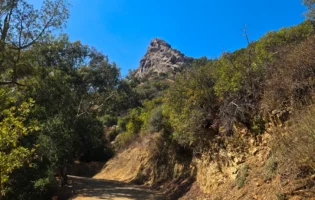
Bee Rock
Beehive-shaped sandstone summit with sweeping city views and a path through the abandoned 1912 Los Angeles Zoo ruins.
Vidiots
Legendary video rental store reborn at a restored 1929 theater, combining 60,000+ titles with daily repertory screenings.
Philosophical Research Society
Nonprofit library and cultural center housing 30,000 rare books on philosophy, mysticism, and world religions in a 1930s Mayan Revival…
Dante’s View
Historic folk garden on Mount Hollywood's slopes with sweeping city views and terraced paths built by a volunteer in 1964.
Ennis House
Frank Lloyd Wright's monumental Mayan Revival residence constructed from 27,000 hand-cast granite blocks rising above Los Feliz
Museum of Neon Art on Other Sites