
Mulholland Scenic Overlook
Winding mountain roadside pullout offering sweeping views of the San Fernando Valley and sparkling Los Angeles cityscape below.
- See
Mulholland Scenic Overlook Details
- Daily 6am-9pm
Overview
Details
Experiencing Mulholland Scenic Overlook / Curious LA Field Notes
Quick Take
This roadside overlook captures what makes Mulholland Drive legendary—spectacular city views from a mountain perch that feels worlds away from the urban sprawl below. While other overlooks along the route have formal parking lots and developed facilities, this spot keeps things simple: pull off the road, step to the edge, and take in one of LA's most expansive valley views. It's the kind of place that reminds you why people built a winding mountain road here a century ago.
The Drive
Getting to the overlook is half the experience. Mulholland Drive twists through the Santa Monica Mountains with sharp curves and steep drops on either side. The road demands attention. You’ll pass multi-million dollar homes tucked into hillsides, glimpse canyons through gaps in the trees, and feel the city recede with each turn. When you reach this particular pullout, the valley opens up before you.
The View
The overlook faces north over the San Fernando Valley. On clear days, you can trace the urban grid stretching to the San Gabriel Mountains in the distance. Sunset brings the best light—golden hour sets the hills glowing while valley lights begin flickering on. By full dark, the city becomes a sea of lights punctuated by major boulevards cutting geometric patterns through the grid. Photographers arrive early to claim spots along the dirt shoulder, setting up tripods to capture long exposures of traffic trails and city glow.
The viewing area itself is minimal. No benches, no formal platform, no signs explaining what you’re looking at. Just a dirt pullout along the road where you can safely step out and look down into the valley below. The lack of development feels right—this is about the view, not the amenities.
Practical Realities
Parking is tight. The dirt shoulder accommodates maybe five or six cars if everyone parks carefully. Weekend evenings and sunset times bring competition for spots. If the pullout is full, you’ll need to continue driving and hope for an opening on your next pass, or park at a nearby legal spot and walk back. Don’t park on blind curves—enforcement happens regularly.
The overlook officially closes at 9pm. Police make rounds after hours and citations are common. If you want to catch sunset and early evening lights without worry, arrive by late afternoon and plan to leave before the 9pm cutoff.
What to Expect
This is a casual roadside stop, not a destination where you’ll linger for hours. Most visitors spend 15-30 minutes taking photos and absorbing the view. Some bring picnic supplies and watch sunset from their car. The atmosphere stays quiet and contemplative—people come to look out and think, not to party.
Weather matters. Marine layer and smog can obscure the valley completely. Check air quality and visibility forecasts before making the drive. Clear winter days after rain offer the sharpest views.
The overlook attracts photographers, couples seeking romantic settings, motorcycle riders cruising the scenic route, and visitors who’ve heard about Mulholland’s legendary views. You’ll likely share the space with others, but it rarely feels crowded due to the quick turnover.
Making the Most of It
Combine this overlook with other stops along Mulholland Drive. The full scenic parkway system includes seven official overlooks, each offering different perspectives. You can make a leisurely afternoon of it, stopping at several viewpoints along the 24-mile route.
Bring a jacket. Even on warm valley days, the mountain ridgetop catches wind and temperatures drop as the sun sets. If you’re staying through twilight, a light layer makes the wait more comfortable.
The view here reminds you that Los Angeles is a city of extremes—dense urban development pressed against wild mountains, all visible from one simple pullout on a mountain road.
Origin of the “Dead Man Overlook/Curve” Nicknames
This spot is also called “Dead Man’s Overlook” (or Curve) because it’s a notoriously sharp, dangerous hairpin turn with a history of severe accidents and fatalities. An LAist article details an eerie car graveyard below the curve where cars plunged off the road.
This name of “Dead Man Overlook” is often confused with the “Dead Man’s Curve” from the Jan and Dean song. The inspiration for that song is a different location, though this Mulholland spot gained its name independently due to its own deadly reputation.
What Others are Saying
Nearby Curious Los Angeles Destinations
TreePeople
Environmental nonprofit that has planted millions of trees across LA; hike, learn, or volunteer at these headquarters
Chemosphere by John Lautner
Stunning octagonal house perched atop a single 30-foot concrete column, designed by legendary architect John Lautner in 1960.
Edwards’ Point (The Center of Los Angeles)
Hand-stamped plaque marking the calculated geographic center of Los Angeles, hidden along a trail in Franklin Canyon Park.
Franklin Canyon Park
Six hundred acres of trails, wildlife, and Hollywood history between Beverly Hills and the Valley—where Andy Griffith skipped rocks.
The Brady Bunch House
The most photographed TV home in America recreates The Brady Bunch sets inside a 1959 mid-century house
Greystone Mansion & Gardens: The Doheny Estate
55-room Tudor Revival mansion and 18-acre estate built by an oil tycoon in 1928, now a public park and one…
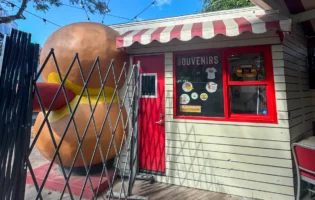
Tail O’ the Pup
LA's iconic 18-foot hot dog-shaped stand serving classic franks since 1946, lovingly restored and reopened in 2022.
The Lucky Tiki (West Hollywood)
Speakeasy-style tiki bar hidden above Tail o' the Pup where The Doors recorded L.A. Woman—theatrical cocktails in rock history.
Runyon Canyon
LA's most popular hike within a 160-acre Hollywood Hills park with sweeping views, off-leash dog areas, and trails from easy…
Mulholland Scenic Overlook on Other Sites