
Mount Wilson Observatory
Historic mountaintop observatory where Edwin Hubble discovered the expanding universe using the world's largest telescope from 1917 to 1949.
- Do
- See
Mount Wilson Observatory Details
Overview
Details
Experiencing Mount Wilson Observatory / Curious LA Field Notes
Quick Take
Mount Wilson Observatory sits at the birthplace of modern cosmology. Edwin Hubble stood at this exact spot in 1923 when he identified the first Cepheid variable star in the Andromeda galaxy, proving that other galaxies exist beyond our own. A few years later, he used the same telescope to discover that the universe is expanding. You can visit the historic domes, peer into these massive instruments, and stand where astronomers fundamentally changed how humans understand our place in the universe. The site remains active with research and welcomes visitors to experience both the science history and the mountain setting.
Where the Universe Got Bigger
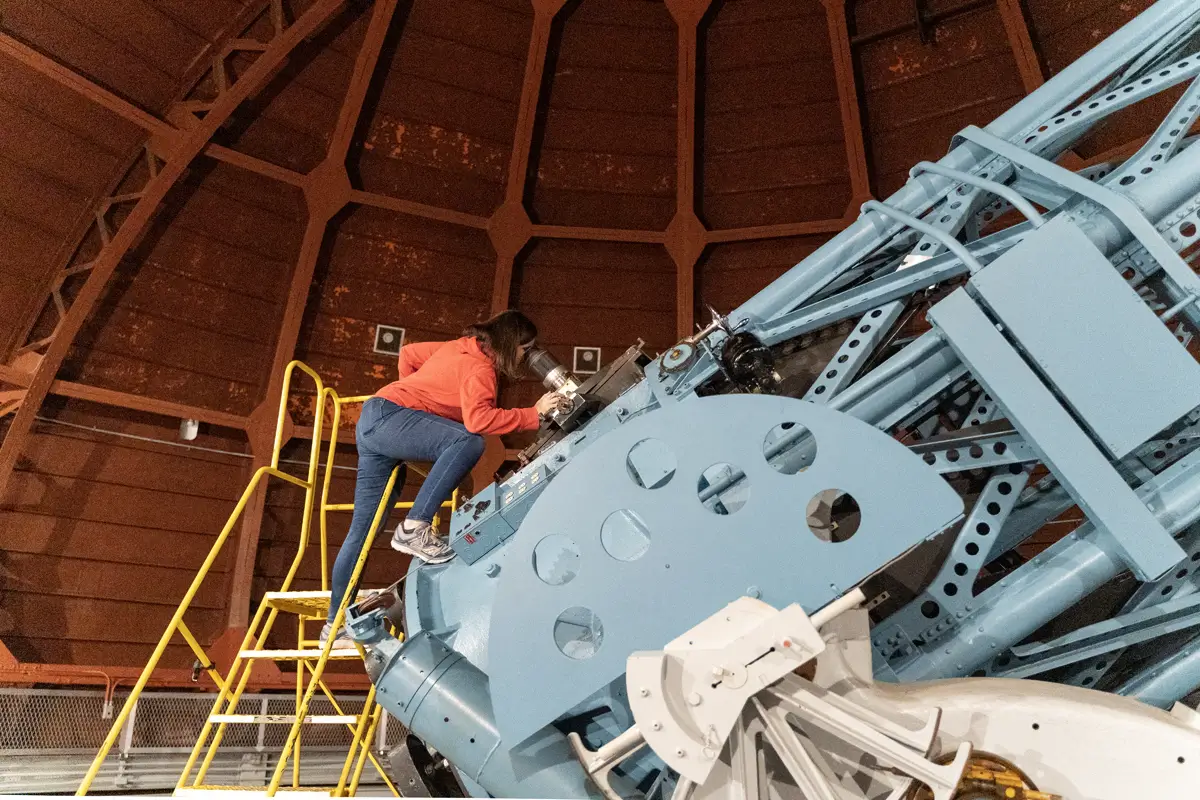
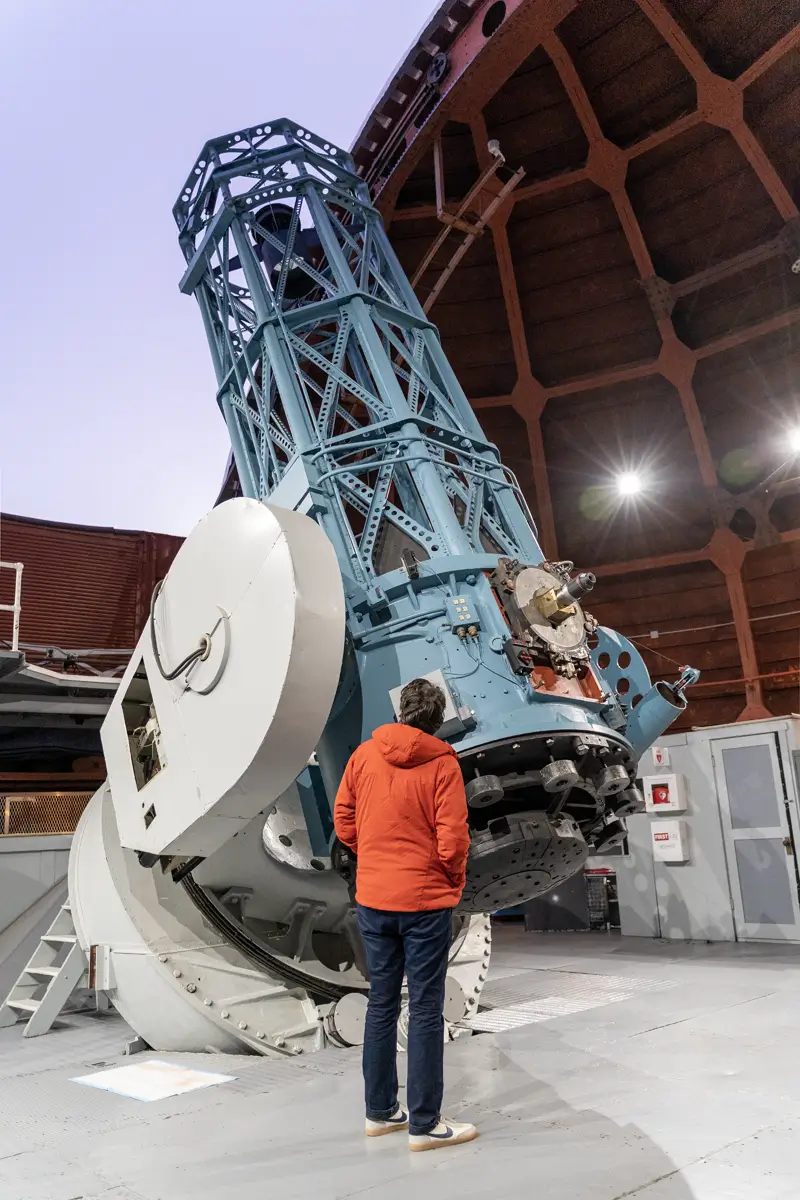
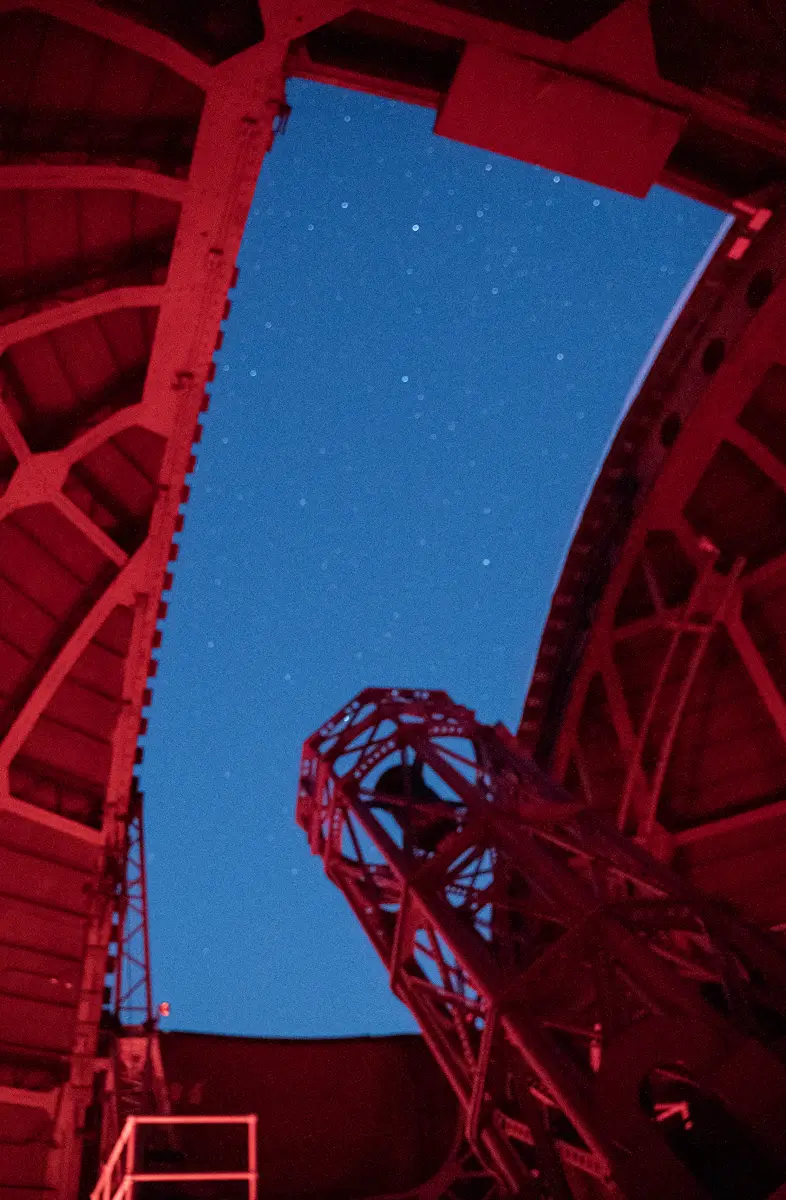
Step inside the dome of the 100-inch Hooker telescope and look up at the massive blue tube pointing toward the heavens. This instrument was the world’s largest telescope for 32 years. Edwin Hubble used it to make two discoveries that upended astronomy: first, that the Andromeda “nebula” was actually another galaxy millions of light-years away, and second, that the entire universe is expanding.
The scale surprises most visitors. The 100-inch telescope stands several stories tall inside its rotating dome. The whole structure weighs about a million pounds, yet it moves smoothly on bearings originally designed with mercury floats. When docents demonstrate the dome rotation, you might briefly wonder if you’re moving or if the building is.
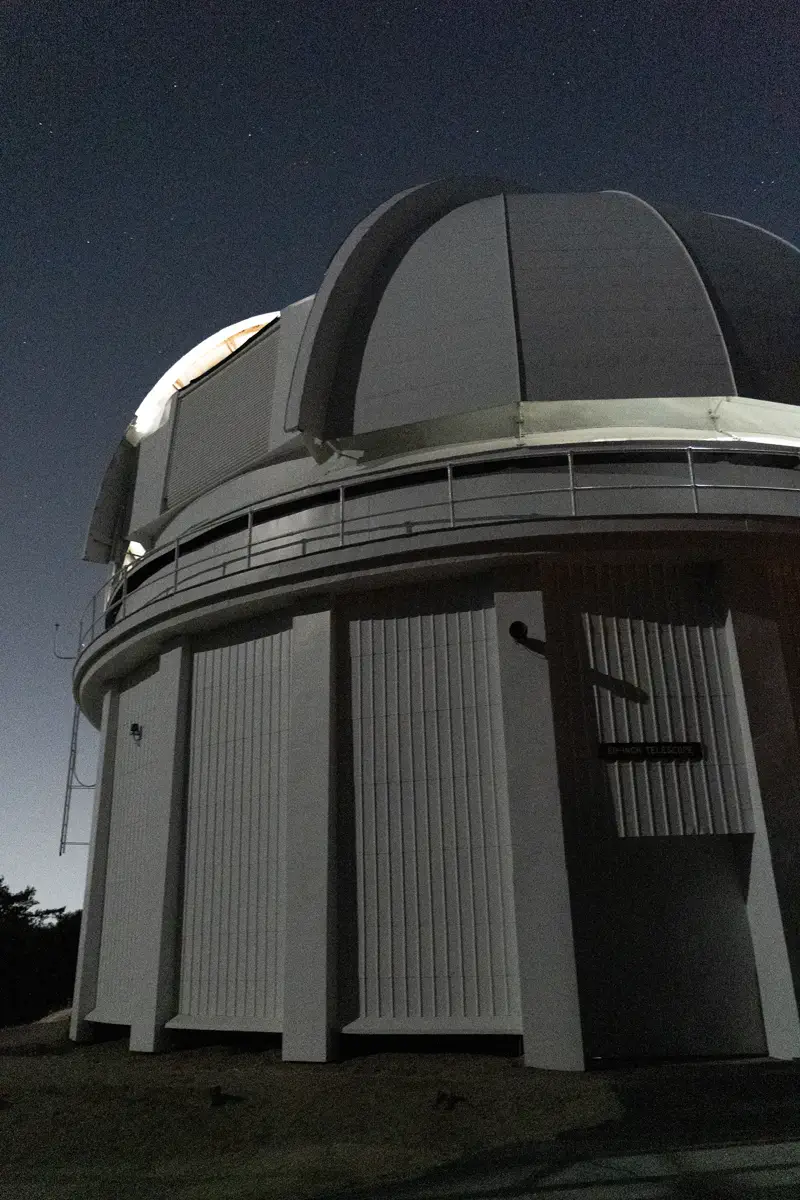
Weekend tours take you directly beneath the telescope rather than just viewing it from the visitors’ gallery. You’ll also enter the 60-inch telescope dome, which was itself the world’s largest when completed in 1908. Guides explain how astronomers worked through cold nights, climbing ladders to reach eyepieces, recording observations on glass photographic plates that required hours of exposure time.
The Mountain Setting
George Ellery Hale chose this site after testing the “seeing” conditions from the mountaintop. An atmospheric inversion layer traps warm air and smog over Los Angeles below, leaving Mount Wilson with exceptionally steady air. The same conditions that helped astronomers peer into deep space also give modern visitors clear views across the basin on most days.
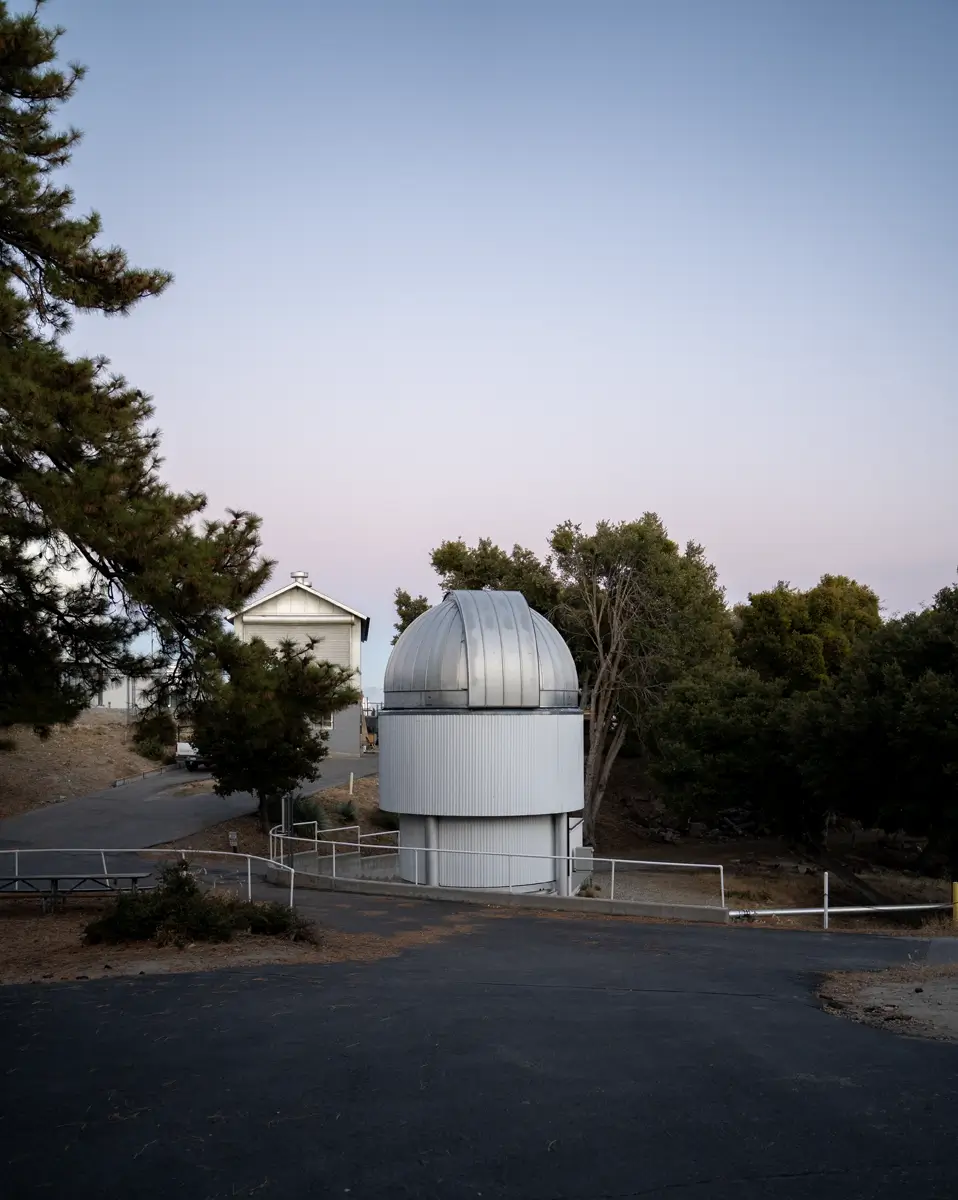
The Cosmic Café serves sandwiches and coffee on weekends, with outdoor seating overlooking the parking area and forest. The café also sells Forest Service Adventure Passes required for parking. Visitors can walk the grounds freely, viewing several solar telescopes including the 150-foot tower where Hale first detected magnetic fields on the sun in 1908.
Planning Your Visit
Tours run Saturdays and Sundays at 11:30am and 1pm from April through November, weather permitting. December offers Saturday tours only. Purchase tickets at the Cosmic Café on a first-come basis. Tours take about two hours and cover approximately one mile of walking with multiple flights of stairs. The century-old facilities aren’t wheelchair accessible except for the café and museum.
The drive up Angeles Crest Highway takes about 45 minutes from La Cañada Flintridge. The winding mountain road includes tight turns and steep dropoffs. Weather at 5,715 feet can differ dramatically from conditions in Pasadena below. Snow and fog sometimes close the access road in winter. Check conditions before heading up.
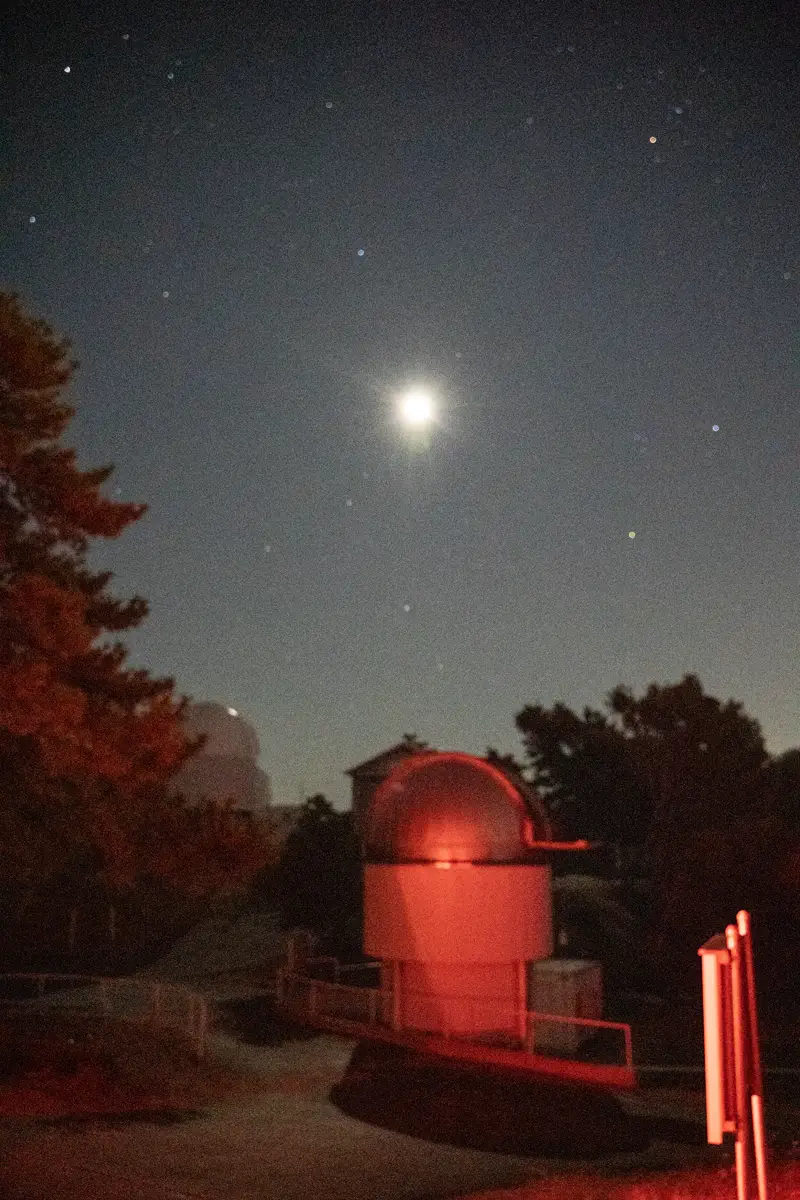
Groups can rent either the 100-inch or 60-inch telescope for evening observing sessions from March through November. Special events throughout the year include astronomy lectures, concerts in the 100-inch dome, and engineering tours that show the mechanical details of these historic instruments.
What Makes It Special
Mount Wilson represents a turning point in human knowledge. Before Hubble’s work here, most astronomers believed the Milky Way comprised the entire universe. Within a decade, the 100-inch telescope revealed billions of galaxies receding from us in all directions. Albert Einstein visited in 1931 and called it “the observatory that changed my mind” about the static universe he had originally proposed.
The site continues active research with the CHARA Array, an advanced optical interferometer operated by Georgia State University. But the public experience centers on these massive early 20th century telescopes and the profound discoveries made through them. Standing inside the 100-inch dome connects you directly to that pivotal moment when humans first grasped the true scale of the cosmos.
What Others are Saying
Nearby Curious Los Angeles Destinations
No nearby destinations found within 5 miles.
Mount Wilson Observatory on Other Sites