Griffith Park Merry-Go-Round
Historic 1926 carousel where Walt Disney conceived Disneyland, featuring hand-carved horses and one of the West Coast's largest band organs.
- Do
Griffith Park Merry-Go-Round Details
Overview
Details
Experiencing Griffith Park Merry-Go-Round / Curious LA Field Notes
Quick Take
The Griffith Park Merry-Go-Round holds a place in American entertainment history. Walt Disney sat on a bench here watching his daughters ride and first imagined a park where families could enjoy attractions together. That vision became Disneyland. The 1926 carousel itself deserves attention: 68 wooden horses carved by master craftsmen like Charles Looff, a thunderous military band organ, and a speed that makes it one of the fastest operating carousels in the world. After closing in 2022, the city purchased it in 2025 to preserve this piece of Los Angeles heritage.
A Carousel With History
The red-and-white striped pavilion sits in a quiet corner of Griffith Park. Inside, 68 wooden horses stand frozen mid-gallop, waiting for their next riders. Each horse has its own character: Devil kicks one leg back, Hannibal sports a stubby unicorn horn, and Isolde displays flowers woven through her reins. Some of these carvings date back to 1895, created before this carousel was even assembled.
The carousel was built in 1926 for Mission Beach in San Diego. Spillman Engineering Company crafted it with four rows of jumping horses, making it one of the largest carousels on the West Coast. In 1937, operator Ross Davis purchased the ride and moved it to Griffith Park. The carousel has been spinning in this spot for nearly 90 years.
Three of the horses have their own survival story. They came from a sister carousel at Lincoln Park that burned in a 1976 fire. The flames destroyed most of that ride, but these three horses made it out and found a home here among the Spillman originals.
The Disney Connection
Walt Disney lived in nearby Los Feliz in the 1940s. He brought his daughters Diane and Sharon to this carousel on Saturday afternoons. Disney would sit on a park bench eating peanuts while his daughters chose their horses and spun around again and again.
During one of these visits, Disney started thinking about how few amusements let parents and children enjoy themselves together. He wanted a place where families could share experiences rather than parents just watching from the sidelines. Those thoughts on that Griffith Park bench became the seed for Disneyland.
The connection runs deeper than inspiration. One of the original carousel horses was moved to Disneyland and placed in a display case near Great Moments with Mr. Lincoln. The bench where Disney sat also made the trip to Anaheim. The King Arthur Carrousel at Disneyland carries forward the spirit of this Griffith Park ride.
The Ride Experience
When operating, this carousel moves fast. At 14 miles per hour, it’s one of the quickest in the world. The horses rise and fall on their brass poles while the whole platform spins. The effect feels more thrilling than the gentle rotations of most modern carousels.
The Stinson 165 Military Band Organ provides the soundtrack. Installed in 1987, this instrument is the largest band organ accompanying any carousel on the West Coast. It plays over 1,500 selections of marches and waltzes, with drums, bells, and cymbals punctuating the organ notes. The music carries across the surrounding lawn, announcing the ride long before you see it.
The carousel spins inside a painted pavilion. Decorative panels and ceiling squares show scenes of pastoral life, all created by carousel painter Nathan Boleus. These paintings, combined with the ornate horse carvings, create a complete work of folk art that operates as both ride and rotating sculpture.
Current Status and Future
The carousel hasn’t operated since 2022. Julio Gosdinski, who had worked at the ride since he was a teenager and eventually became co-owner, died in 2020. His death triggered probate court proceedings that left the carousel’s future uncertain. Mechanical issues also required attention. The ride sat shuttered while ownership questions dragged on.
The City of Los Angeles purchased the carousel in August 2025 for $1 million to keep it in Griffith Park. The city rejected higher offers from buyers who might have moved it elsewhere. Restoration will require an additional $1 to $2 million to address mechanical systems, refresh the hand-painted horses, and replace aging components. The city hopes to have the carousel operating again by the 2028 Olympics.
Friends of Griffith Park is organizing fundraising efforts to support the restoration. The carousel means something to multiple generations of Los Angeles families who brought their children here for weekend rides. At $2 per person when it was running, it was one of the most affordable family activities in the city.
What Others are Saying
Nearby Curious Los Angeles Destinations
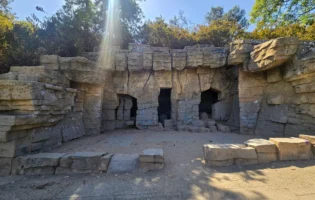
Old Los Angeles Zoo
Explore the abandoned 1930s-era zoo ruins and grottos turned picnic area in the heart of Griffith Park for a unique…
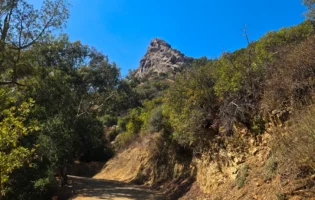
Bee Rock
Beehive-shaped sandstone summit with sweeping city views and a path through the abandoned 1912 Los Angeles Zoo ruins.
Dante’s View
Historic folk garden on Mount Hollywood's slopes with sweeping city views and terraced paths built by a volunteer in 1964.
Los Feliz 3-Par Golf Course
Compact 9-hole par 3 course where the 1996 film "Swingers" was shot, offering quick rounds through tree-lined holes.
Ennis House
Frank Lloyd Wright's monumental Mayan Revival residence constructed from 27,000 hand-cast granite blocks rising above Los Feliz
Griffith Observatory
Iconic Art Deco observatory offering free astronomy exhibits, planetarium shows, public telescopes, and sweeping views of LA and the Hollywood…
Philosophical Research Society
Nonprofit library and cultural center housing 30,000 rare books on philosophy, mysticism, and world religions in a 1930s Mayan Revival…
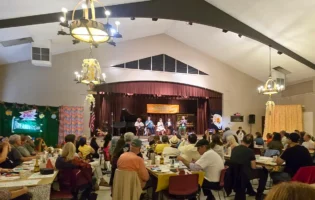
Los Angeles Breakfast Club
Century-old civic breakfast club where members gather at dawn for silly songs, club traditions, and guest speakers.
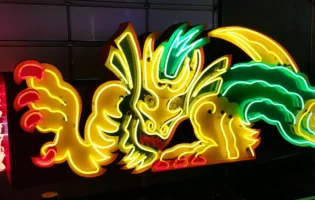
Museum of Neon Art
The only museum in the world dedicated to electric and neon art, showcasing rescued historic LA signs and contemporary light-based…
The Trails
Rustic walk-up cafe at the base of Griffith Park serving house-baked pastries, sandwiches, and coffee since 2005.
Bronson Caves
Historic Hollywood filming location where a former quarry tunnel became the iconic 1960s Batman Batcave entrance.
Griffith Park Merry-Go-Round on Other Sites