
Chinatown
Historic neighborhood where Chinese American culture lives through food markets, temples, red-lantern plazas, and generations of family-run businesses
- Do
- Eat & Drink
- See
- Shop
Chinatown Details
Overview
Details
Experiencing Chinatown / Curious LA Field Notes
Where History Met Hollywood
Walk through the Dragon Gate at Broadway and Cesar Chavez and you enter a place that never quite existed until it did. When Union Station forced the original Chinatown’s demolition in 1938, community leader Peter Soo Hoo rallied Chinese American business owners to build something new. They hired Hollywood set designers to create their vision—the result looks like a movie lot that became real, with curved pagoda roofs, red columns, and design details that nod to both Shanghai and Southern California.
Central Plaza remains the heart of this 86-year-old experiment. Shops sell everything from jade jewelry to woks. Restaurants serve dim sum, hand-pulled noodles, and Cantonese roast duck. Red lanterns glow at night. The architecture draws cameras, but the neighborhood functions as an actual place where people live and work, not just a photo backdrop.
Food That Spans Generations
Far East Plaza tells the story of Chinatown’s food scene in one building. The 1976 food hall started with traditional vendors serving regional Chinese dishes. Kim Chuy still makes Teochew-style leek cakes and porridge from decades-old recipes. But walk a few stalls over and you hit Howlin’ Ray’s, where weekend lines snake through the plaza for Nashville hot chicken. Now Serving sells cookbooks and kitchen tools. Scoops churns out ice cream flavors like ricotta toffee and basil coconut.
This layering appears throughout the neighborhood. Phoenix Bakery has made almond cookies since 1938. Bánh Mì Mỹ Dung operates from what looks like a fruit stand but draws crowds for Vietnamese sandwiches. Filipino rotisserie chicken and natural wine? That’s here too. You can eat well at any price point.
Temples, Museums, and Hidden Galleries
Thien Hau Temple sits at 756 Yale Street, recognizable by its hip-and-gable roof and ornate columns. Built in 2005 on the site of a former Christian church, the Taoist temple honors Mazu—patron goddess of sailors and fishermen—along with other deities. Visitors can walk through freely Friday through Sunday. The interior holds 11 altars, spiral incense coils hanging from ceilings, and carved dragons. During Chinese New Year, the temple becomes a focal point for celebrations with lion dances and firecrackers.
The Chinese American Museum occupies the Garnier Building at 425 N Los Angeles Street, a few blocks south. This 1890 structure is the oldest surviving building from original Chinatown and once served as an informal city hall for the Chinese community. Inside you’ll find recreations of the Sun Wing Wo herb shop and exhibits covering immigration history, the Chinese Exclusion Acts, and the community’s contributions to California. Open Tuesday through Sunday, 10am to 3pm. Admission runs $3 for adults, $2 for students and seniors.
Chung King Road takes a different approach to culture. This pedestrian alley off Hill Street hosts contemporary art galleries in weathered storefronts. Charlie James Gallery shows emerging LA artists. Saturday nights bring gallery openings that transform the quiet courtyard into a scene.
When to Visit
Chinatown changes character throughout the year. Lunar New Year (typically late January or February) brings the annual Golden Dragon Parade, one of LA’s oldest cultural celebrations, running 125+ years. The parade winds from Hill and Ord Streets to Broadway and Cesar Chavez with lion dancers, martial arts demonstrations, and food vendors lining the route. The Firecracker Run—a 5K, 10K, bike ride, and dog walk—happens the same weekend.
Summer Nights in June packs Central Plaza with food trucks, DJs from KCRW, and late-night energy. The Autumn Moon Festival celebrates harvest season. Regular weekdays offer a calmer experience—you can explore shops and restaurants without crowds, though some businesses close Monday.
Getting Around
The Metro A Line stops at Chinatown Station right at Broadway, putting you steps from Central Plaza. Street parking exists but fills quickly on weekends. Pay lots around the neighborhood charge $3 to $15 for all-day parking. The compact layout makes walking the best way to explore—you can cover the main attractions in less than a square mile.
Most businesses open 10am to 6pm daily. Restaurants keep their own hours, with dim sum spots busiest at lunch and dinner places filling up evenings and weekends.
What Others are Saying
Nearby Curious Los Angeles Destinations
Philippe The Original
Historic downtown spot serving the original French dip sandwich since 1918 in a no-frills cafeteria with sawdust floors.
Olvera Street
Historic Mexican marketplace recreating old Los Angeles, with family-run shops, traditional food, and year-round cultural celebrations since 1930.
Our Lady Queen of Angels Catholic Church
Los Angeles' oldest church, founded in 1814, featuring Spanish Colonial architecture, gilded altar, and continuous Catholic worship.
Cathedral of Our Lady of the Angels
Downtown's postmodern architectural statement serves five million Catholics with alabaster light, saint tapestries, and a crypt beneath.
Triforium
Towering 1970s sculpture adorned with 1,494 multicolored glass prisms intended to sync light and music but plagued by technical failures.
The Geffen Contemporary at MOCA
Frank Gehry-designed warehouse gallery showcasing large-scale contemporary art installations in Little Tokyo's industrial-chic space.
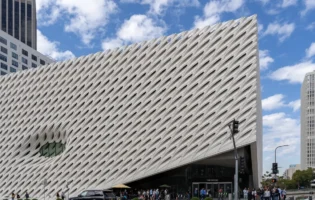
The Broad
Free contemporary art museum in downtown LA featuring postwar masterworks and Yayoi Kusama's Infinity Mirror Rooms.
Carroll Avenue (Row of historic homes)
LA's best-preserved Victorian street where nine 1880s mansions line a single block in the city's first Historic Preservation Zone.
The Museum of Contemporary Art, Los Angeles
Los Angeles's only museum dedicated exclusively to contemporary art, showcasing 8,000+ works from 1940 to today in a striking red…
Little Tokyo
Historic five-block cultural district celebrating Japanese American heritage through authentic dining, shopping, and annual festivals since 1885
Bradbury Building
A Victorian light-filled atrium hidden behind a plain brick facade, famous as the setting for Blade Runner's climactic scenes.
Chinatown on Other Sites