
Bob Baker Marionette Theater
America's longest-running puppet theater, where hand-crafted marionettes have performed for families since 1963.
- Do
- See
Bob Baker Marionette Theater Details
Overview
Details
Experiencing Bob Baker Marionette Theater / Curious LA Field Notes
Quick Take
Bob Baker Marionette Theater offers an experience you can't find anywhere else in America. While other puppet theaters have come and gone, this one has kept its strings moving for more than 60 years, making it the country's longest-running marionette theater. The performances blend old-school craftsmanship with genuine theatrical magic, where decades-old hand-carved puppets still captivate audiences just as they did when Bob Baker first opened the doors. What sets this apart is the intimacy: puppets don't stay on stage but move freely through the audience, creating moments of delight when a marionette lands in your lap or nuzzles your elbow. The theater preserves a rare art form while making it completely accessible to modern families.
A Living Museum of String-Powered Wonder
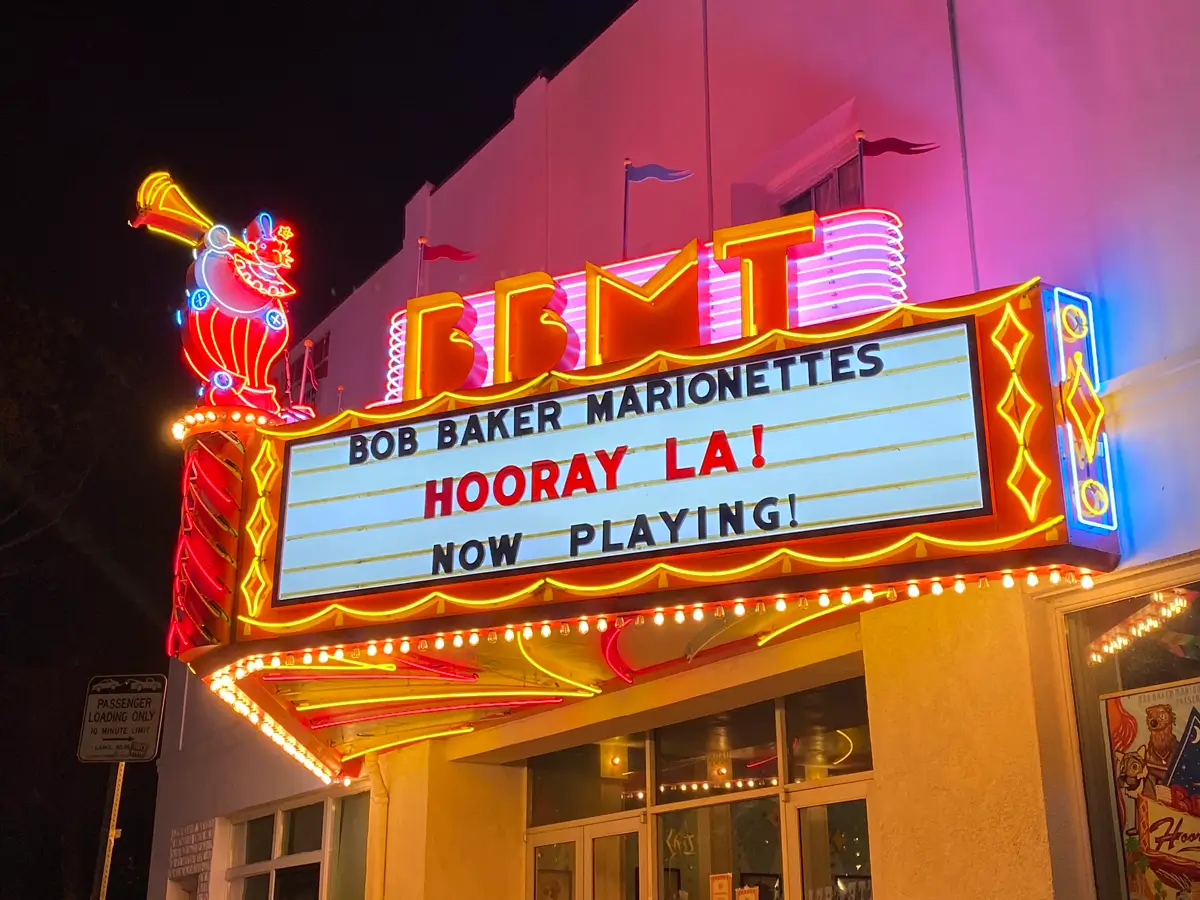
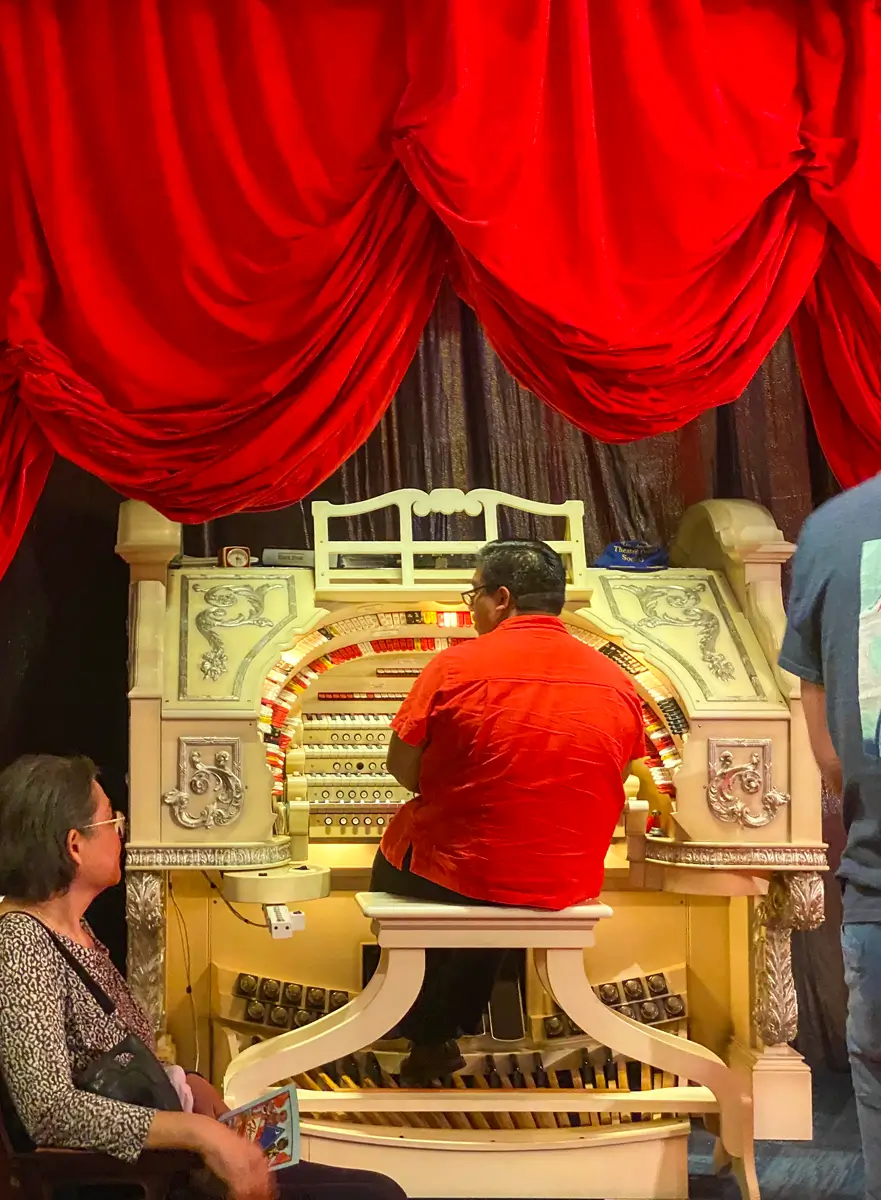
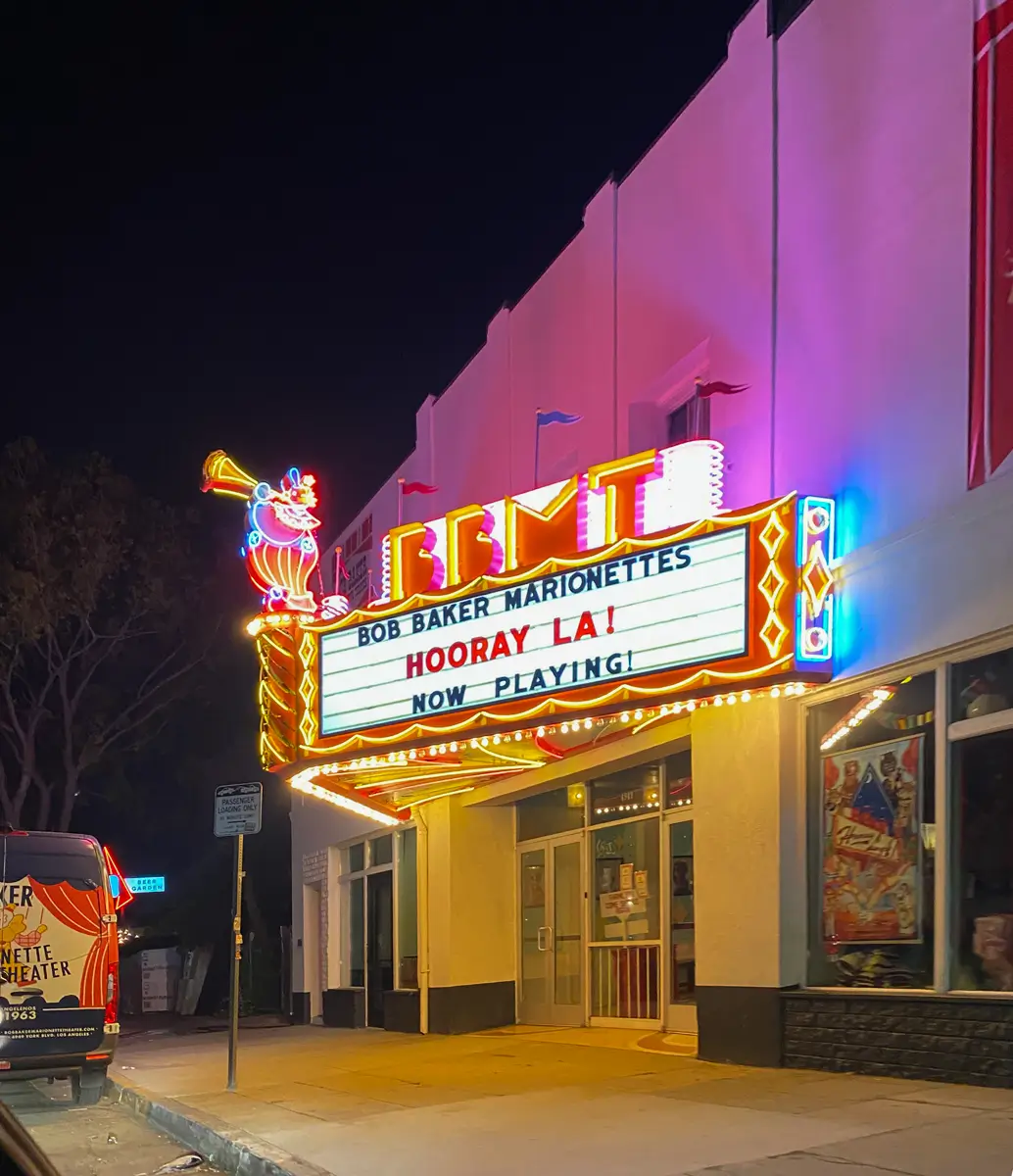
Walk into the Bob Baker Marionette Theater and you enter a space where time bends. The building itself, a 1920s silent movie house in Highland Park, sets the stage before the curtain rises. Hand-painted vignettes line the walls, each showcasing colorful puppet displays that hint at the magic about to unfold. Mr. Edward Torres welcomes arrivals with live organ music that fills the intimate theater, his melodies drifting over an audience settling into floor cushions and theater seats.
The space holds about 100 people, but performances feel more like gathering in someone’s imaginative living room than attending a formal show. Red velvet curtains conceal the stage. Children wiggle with anticipation. Adults smile at the old-fashioned charm of it all.
When Puppets Come to Life
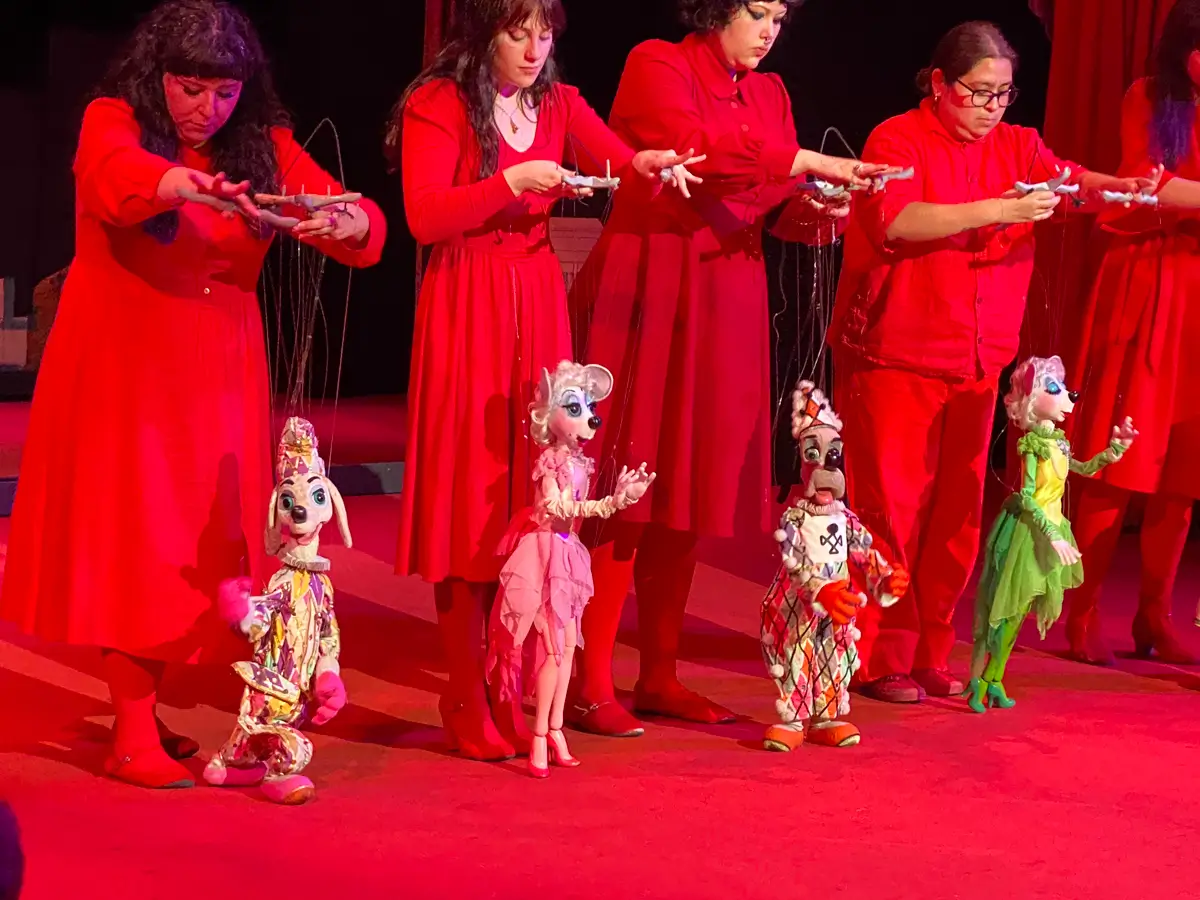
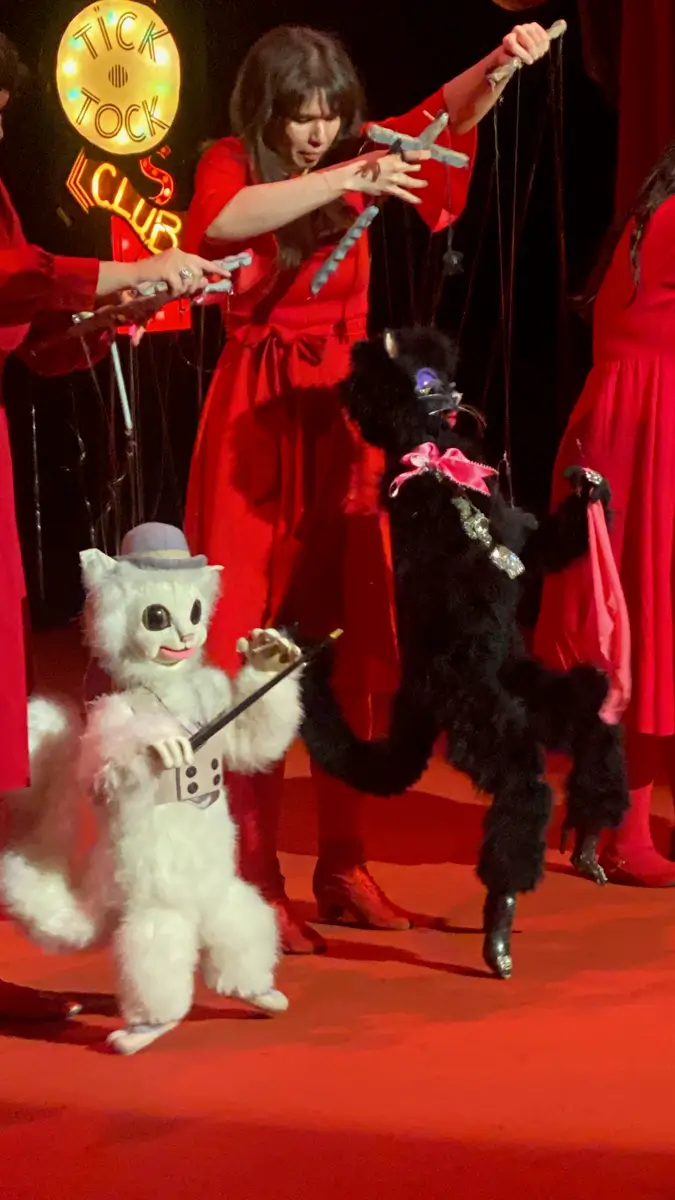
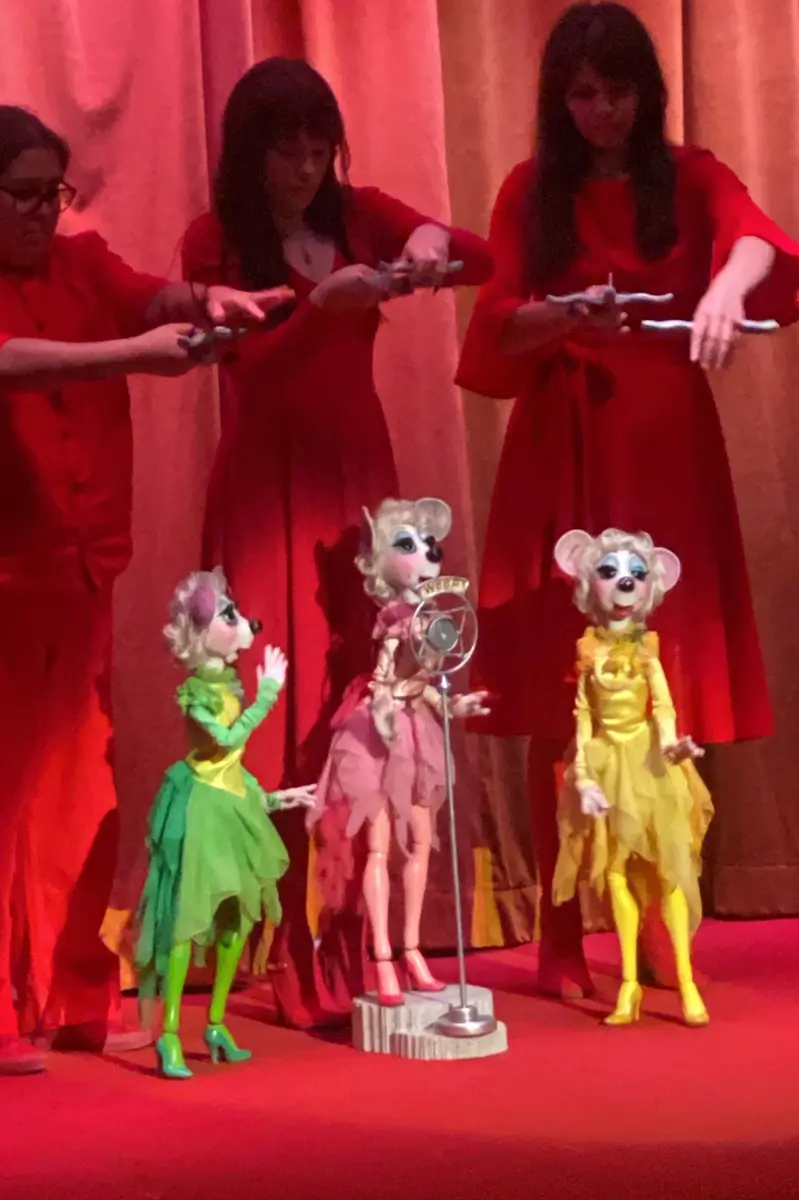
Bob Baker understood something fundamental: marionettes work best when they break the fourth wall. His theater pioneered an approach where performers don’t just move puppets on a distant stage but bring them directly to the audience. During each show, about 100 marionettes from the collection take their turn in the spotlight. Some are tiny, no bigger than your hand. Others tower overhead, requiring multiple puppeteers to control their movements.
The magic happens when a tap-dancing chicken lands on your knee, or when a butterfly floats past your face close enough to count the painted details on its wings. Puppeteers work the strings from above, visible but quickly forgotten as the marionettes take on personalities of their own. Children laugh. Adults remember why they loved puppets as kids.
Each production tells a story through movement and music. There’s no dialogue, just songs and theatrical choreography that speaks a universal language. The shows change with the seasons: Winter Wonderland during the holidays, The Nutcracker at Sierra Madre Playhouse, and rotating productions throughout the year that range from circus spectacles to barnyard adventures.
The Man Behind the Strings
Bob Baker started making puppets at age eight in 1930s Los Angeles. He apprenticed at George Pal Animation Studios, eventually becoming head animator of Puppetoons, stop-motion puppet films that wowed audiences before computer animation existed. His work appeared everywhere: Disneyland’s Main Street window displays (some still on view today), TV shows like Star Trek and Bewitched, films including Close Encounters of the Third Kind and Disney’s Bedknobs and Broomsticks.
In 1963, Baker and partner Alton Wood transformed a run-down special effects workshop in downtown LA into a permanent home for their growing marionette collection. The theater stayed in that original location for 55 years, becoming an LA institution. When Bob died in 2014 at age 90, the puppeteers and staff became stewards of his vision, keeping the shows alive and the strings moving.
In 2019, the theater moved to its current Highland Park location, a building that once showed silent films to 1920s audiences. The new space gave them 40% more room while honoring Baker’s original vision. The company became a nonprofit, ensuring future generations could experience what Baker created.
Sweet Endings and Local Traditions
Every show ends the same way it has for six decades: with ice cream. After the final curtain, guests move to the lobby where staff serve cups of ice cream (dairy-free options available) in a setting that feels like stepping into an old-fashioned ice cream parlor. It’s a small touch that transforms a performance into an event, giving families time to linger, chat with puppeteers, and let the experience settle in.
This theater connects LA families across generations. Grandparents bring children who will someday bring their own kids, creating chains of memory linked by dancing marionettes and after-show ice cream. The theater has served over one million visitors since opening, hosting birthday parties for everyone from neighborhood kids to celebrity children like Liza Minnelli and Carrie Fisher.
Why It Matters
In a city built on entertainment, Bob Baker Marionette Theater preserves something increasingly rare: live performance that depends entirely on human skill and hand-crafted artistry. No screens, no digital effects, just wood and string and talented hands bringing inanimate objects to life. The theater keeps alive an art form that predates cinema, proving that the oldest tricks still work when done with care and imagination.
What Others are Saying
Nearby Curious Los Angeles Destinations
MorYork
Clare Graham's 7,000-square-foot Highland Park studio filled with sculptural works made from millions of buttons, pop tops, and found objects.
Galco’s Old World Grocery (Soda Pop Stop)
Family-owned Highland Park soda shop stocking 700+ independent sodas alongside vintage candy, craft beer, and deli sandwiches.
The Steepest Road in California (Eldred Street & Stairs)
California's steepest drivable street with a 33% grade and historic wooden stairs leading to sweeping city views.
Vidiots
Legendary video rental store reborn at a restored 1929 theater, combining 60,000+ titles with daily repertory screenings.
The Lucky Tiki (Highland Park)
Hidden speakeasy tiki bar tucked behind Highland Park Bowl serving theatrical rum cocktails in a vintage Polynesian hideaway.
Highland Park Bowl
Los Angeles's oldest operating bowling alley, restored to its 1927 Prohibition-era glory with vintage lanes and exposed pin-setting machinery.
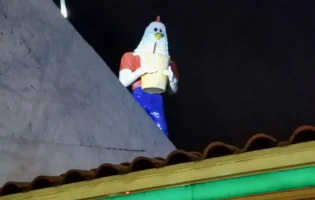
Chicken Boy
The Statue of Liberty of Los Angeles: a 22-foot rooftop guardian (half man and half chicken) who stands over the…
Lummis Home-El Alisal
Stone house hand-built over 13 years by pioneering journalist and Native American rights activist Charles Fletcher Lummis
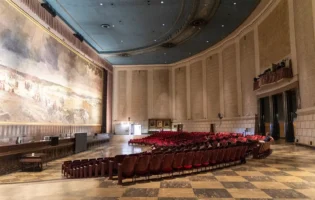
Forest Lawn Museum (Hall of Crucifixion & Resurrection)
Theatrical presentation of the largest religious painting in the Western United States inside a purpose-built Gothic hall
Heritage Square Museum
Eight rescued Victorian buildings from 1876-1900 offer docent-led tours through Los Angeles' first century of statehood.
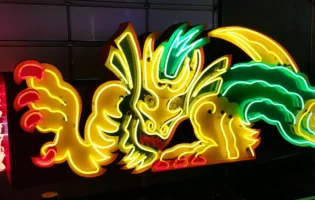
Museum of Neon Art
The only museum in the world dedicated to electric and neon art, showcasing rescued historic LA signs and contemporary light-based…
Bob Baker Marionette Theater on Other Sites