
Baldwin Hills Scenic Overlook (and Culver Steps)
Climb 282 recycled concrete steps to a 500-foot summit offering panoramic views from downtown LA to the Pacific Ocean.
- Do
- See
Baldwin Hills Scenic Overlook (and Culver Steps) Details
Overview
Details
Experiencing Baldwin Hills Scenic Overlook (and Culver Steps) / Curious LA Field Notes
Quick Take
Baldwin Hills Scenic Overlook delivers something rare in Los Angeles: a strenuous outdoor workout with a payoff that justifies the sweat. The 282 steps weren't designed for casual strolling. Built from rubble of demolished structures, each step varies wildly in height, forcing your legs to adapt constantly. What makes this worth the climb is the view at the top and the story underneath your feet. This hill spent decades getting drilled for oil and nearly became another housing development. Instead, it became one of the few places in urban LA where you can see the entire basin spread out below you while standing on land that's been deliberately returned to what it was before the city arrived.
The Climb
You can approach Baldwin Hills Scenic Overlook two ways: park at the bottom and earn your view, or drive to the top and take a short walk. Most people choose the workout.
The 282 steps start at Jefferson Boulevard and march straight up the hillside. These aren’t uniform stairs. Some rise only a few inches. Others demand you lift your leg two feet or more. The concrete came from demolished structures, so the steps have an archaeological quality, like ruins built into the landscape rather than imposed on it. No handrails guide you up. Just cable rails added in recent years for those who need support.
The irregularity makes running nearly impossible. Walking demands attention. Your quads burn quickly. Five small landings offer breaks, but the grade stays relentless. Most people take 10 to 20 minutes to reach the top, depending on fitness level and how often they stop.
If stairs aren’t your preference, a dirt trail winds up the same hill through a series of gentle switchbacks. This path takes longer but spares your knees and lets you look around at the restored native plants: purple sage, toyon, bigberry manzanita, and other species that once covered these hills before development.
The View
At the summit, the observation deck reveals why people make this climb. On clear days, you see downtown Los Angeles skyline, the Hollywood sign, Century City towers, and the Pacific Ocean. The San Gabriel Mountains form a dramatic backdrop to the north. Westwood and Santa Monica spread out toward the coast. It’s the kind of view that reorients you, reminding you just how much city exists between the mountains and the sea.
The Visitor Center sits near the observation deck, tucked into the hillside with floor-to-ceiling windows. Inside, exhibits explain how this land went from oil extraction to near-development to public park. A small theater shows films about the restoration. The native plant garden outside demonstrates what California looked like before the city grew around it.
The History You’re Standing On
Oil derricks once covered this hill. Standard Oil discovered petroleum here in 1924, and for decades, companies drilled and pumped. The landscape got stripped. Grading for a planned 200-unit housing development scarred what the oil industry left behind.
Local residents and agencies fought for years to save the site as open space. California State Parks acquired it in 1999, halting the housing plans. The park opened in 2009 after extensive restoration work. Those concrete steps you climbed? Built from the rubble of demolished structures. The visitor center was designed to sit into the hillside rather than dominate it. Native plants were carefully reintroduced across nearly 60 acres.
The work continues. Oil derricks still pump in the adjacent Inglewood Oil Field, visible from the overlook. But this hilltop represents what’s possible when land gets reclaimed and opened to the public rather than sold for private development.
Planning Your Visit
The stairs test your legs. Bring water. Wear good shoes. Many people treat this as their gym, climbing multiple times in one session. Others come once, reach the top, take photos, and head down via the switchback trail to save their knees.
Morning visits offer cooler temperatures and softer light for photos. Late afternoon provides dramatic views as the sun sets over the Pacific. The park stays open until sunset, so timing your arrival for the golden hour works well.
Street parking near the Jefferson Boulevard entrance is free but fills quickly on weekends. Paid parking at the top costs $2 per hour or $6 for the day. The top lot gives you easy access to the visitor center and observation deck without the stair climb, though you miss the workout that makes reaching the summit feel earned.
What Others are Saying
Nearby Curious Los Angeles Destinations
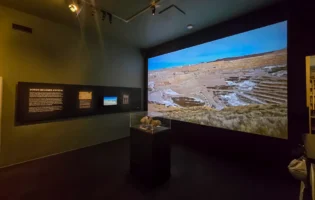
The Center for Land Use Interpretation
Research gallery examining how Americans shape, use, and interpret the physical landscape through rotating exhibitions, photographs, and maps.

The Museum of Jurassic Technology
Museum & LA cultural gem showcasing curiosities, forgotten histories, and phenomena at the edges of knowledge.
International Society for Krishna Consciousness of Los Angeles (Bhagavad-gita Diorama-Museum)
Eleven animated clay dioramas present ancient Hindu scripture through a 45-minute multimedia journey of light, sound, and traditional artistry.
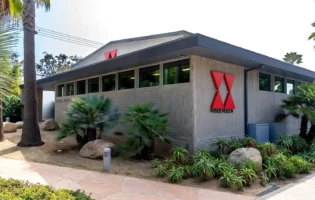
The Wende Museum
One of the world's largest Cold War collections housed in a converted 1949 armory, preserving everyday life behind the Iron…
Pizzeria Sei
Tokyo-style Neapolitan pizza considered some of the best in the world, served at intimate counter seating around a wood-fired oven.
Pann’s Restaurant
Family-run 1950s Googie diner serving classic breakfast and Southern comfort food in a time capsule of space-age architecture.
St. Elmo Village
Historic artist commune offering free art workshops, colorful murals, and community creativity in 1920s Craftsman bungalows
The Mar Vista Time Travel Mart
Whimsical retail storefront selling absurdist time travel supplies to fund 826LA's free youth writing programs.
Baldwin Hills Scenic Overlook (and Culver Steps) on Other Sites